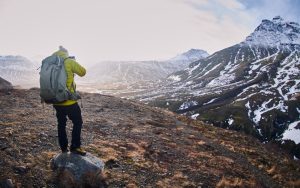
Your expectations: the sky is blue, the mountains are shining, snow-white against the azure heavens, the birds are singing in the tall pines while the sun kisses your body with a warm glow. While the above can be true on many trails and trekking in Nepal experiences, sometimes the reality is different. Fog obscuring the
Your expectations: the sky is blue, the mountains are shining, snow-white against the azure heavens, the birds are singing in the tall pines while the sun kisses your body with a warm glow. While the above can be true on many trails and trekking in Nepal experiences, sometimes the reality is different.
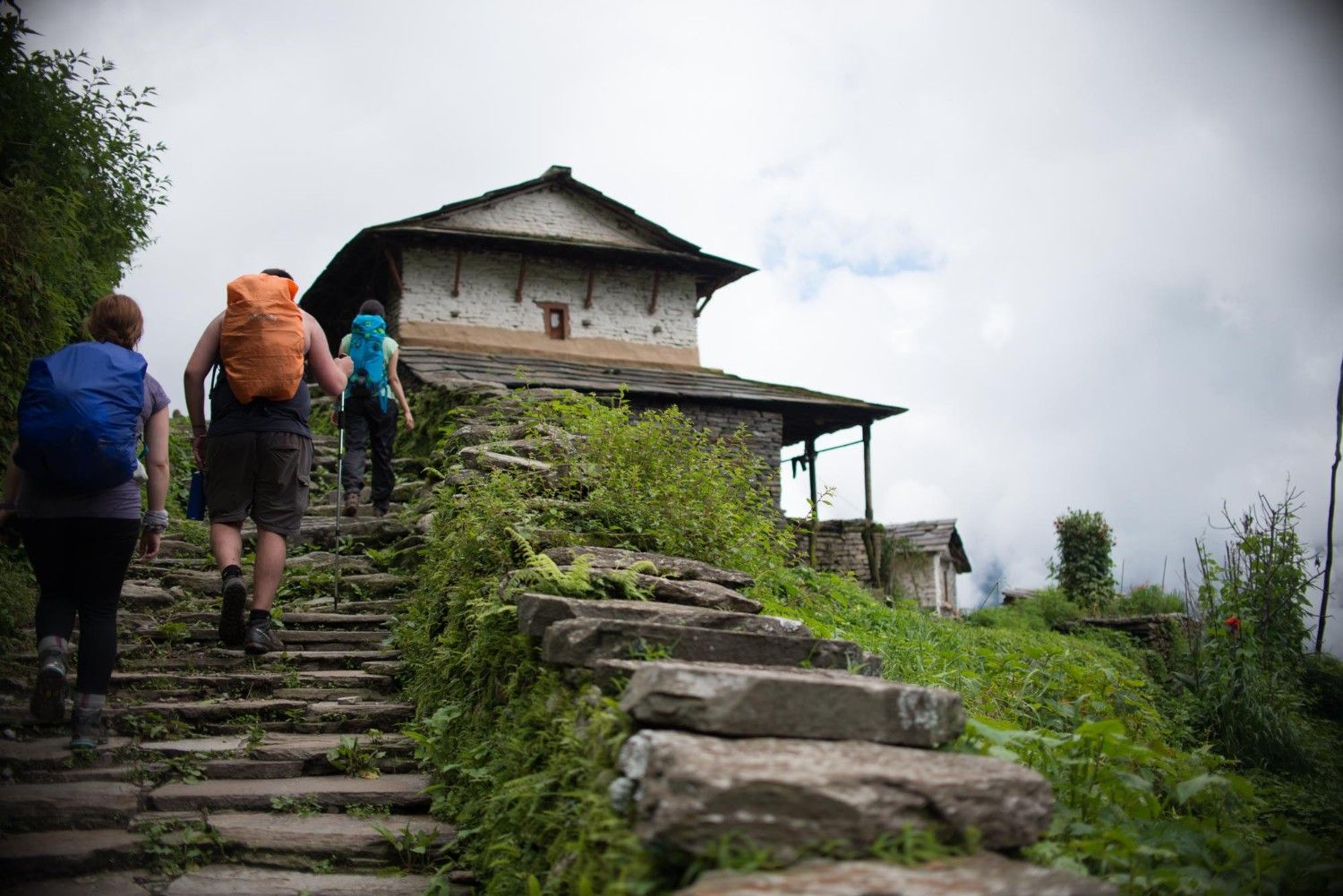
Fog obscuring the mountains, cold mornings giving way to hot days when you’re glad your thermal undergarments are sweat-absorbent. And perhaps the need for some salt to throw at the leeches trying to reach your ankles.
So what should you really expect on your trek? And how do you avoid being disappointed?
Do Your Homework Before You Arrive
Experienced trekkers, particularly those who have trekked in the Nepal Himalayas before, will be well aware that, as in many things in life, sometimes reality does not meet expectations. For those who are beginner trekkers or who will be experiencing their first time trekking in Nepal, we suggest you do some research before coming to select the right trek for you. This will also provide you with an idea of what to expect when trekking in Nepal.
Also prepare yourself physically and keep an open mind. There is a beginner’s trekking guide to Nepal as well as a guide to the best trekking seasons in Nepal that you should read. These will give you the best possible heads-up on where to go and when to come. Changing reality: we now frequently update our trekking information to reflect climate changes we are seeing during the trekking seasons.
New trekking routes are being opened up periodically to reflect this and other factors. That said, old routes are adapting too, with some areas becoming more accessible by road.
Even if you have trekked in Nepal before, it is worth looking again at the seasons and trekking routes as they currently stand, so that your experience of trekking in Nepal matches reality.
Prepare Mentally and Physically
Preparing physically means more hours at the gym, more weekends hiking around your local area, but what does being prepared mentally mean? When you consider your Nepal trekking packing list, you will note it contains items for hot, cold, and possibly wet weather. It also contains a first aid kit. This packing list alone should give you some idea of what to expect.
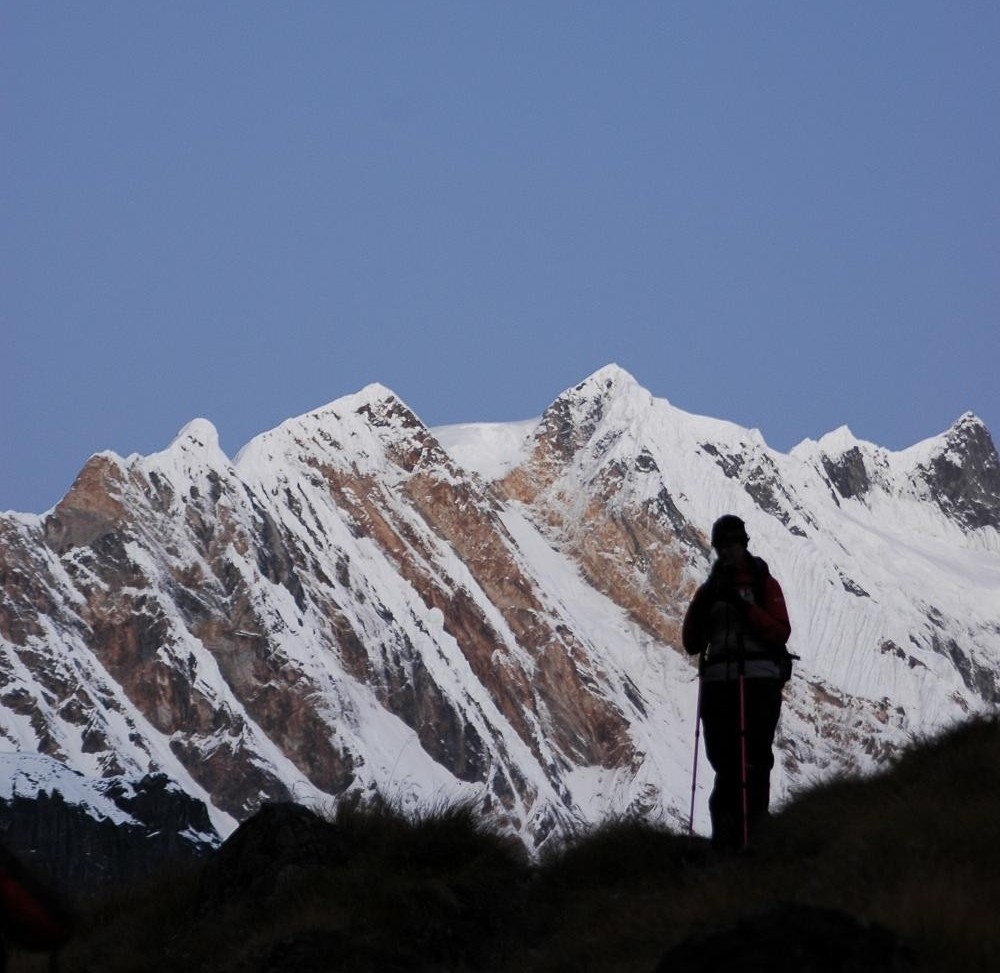
What it doesn’t tell you, however, is that there may be delays on the flight getting to the more remote areas and delays on the trail. Note this is said not to put you off trekking, but so that you think through the possibilities and how you would react to them on the trail. To mitigate some of the stress of delays and changes, bring extras of any regular medicines you take, do not book your homeward flight on the day following the proposed end of trek, and be patient. Always.
Your Nepal trekking guide will keep you updated on any problems and workable solutions. Stay Zen!
Weather on the Trek
This is the Himalayas. The weather is always unpredictable! Check our guide to Nepal trekking seasons to get an idea of what to expect at different times of the year. Keep in mind the best trekking season for one region may not be good in another.
The other thing to bear in mind is the seasons with the best weather – spring and autumn – are also the busiest. If you like to interact with other trekkers at the end of the day, these might be the times for you. If you like more solitude and time spent alone with nature and your guide, the ‘off’ seasons may suit you better. We should point out that, with changing weather patterns, the ‘shoulder’ periods of spring and autumn are now becoming excellent times to trek and, so far, are less busy than the main periods.
Take a look at the terrain of your chosen trek. Are there a lot of forests and rivers along the trail, which could be damp in the mornings and in the rain? Are you happy hiking through dry desert-like landscapes? Which are awesome by the way.
Ideally, especially for those interested in flora and fauna, a trek with changing terrains is superb!
Altitude and Altitude Sickness in Nepal
When we receive feedback from trekkers, we note that many were not prepared enough for the physical impact of altitude. Whether you will adapt well or have some trouble with high altitude does not depend on your age, sex, or fitness level. If you have any medical issues, we suggest you check with your doctor before booking your trek. But for the majority, there is no way of knowing how you will react to altitude until you are there – standing on that high mountain peak!
-Hiking slowly and steadily is key.
-Rehydration is also a major key.
-But rest assured, your guide receives training in what to do should you suffer from altitude or any other illness.
-You should also check our guide to altitude sickness in Nepal.
-Overall, please be aware of the altitude you will be hiking and sleeping at on your trek.
-Note there is a vast difference between crossing a 5,000m pass and sleeping at 5,000m.
-In the case of the pass, you may be at this altitude for two or three hours, whereas if you are sleeping at that height, you will be subject to altitude for around 12 hours.
-This is something worth considering when selecting your trek.
On the plus side, many trekking routes in Nepal have a low daily increase in altitude which gives your body plenty of time to adjust.
Accommodation on a Teahouse Trek
The majority of trekkers coming to Nepal opt for treks which have guest houses along the trails. Others may opt for a camping trip which can be considered more rugged. Guest houses in Nepal are called teahouses, and they remain the most popular form of accommodation on the trail. They offer a range of facilities and levels of comfort. Overall, they are adequately comfortable; the dining room is warm, the food is good and plentiful. Yes, there are toilets and showers; just not attached to the sleeping rooms. Shared, often basic, facilities are the norm.
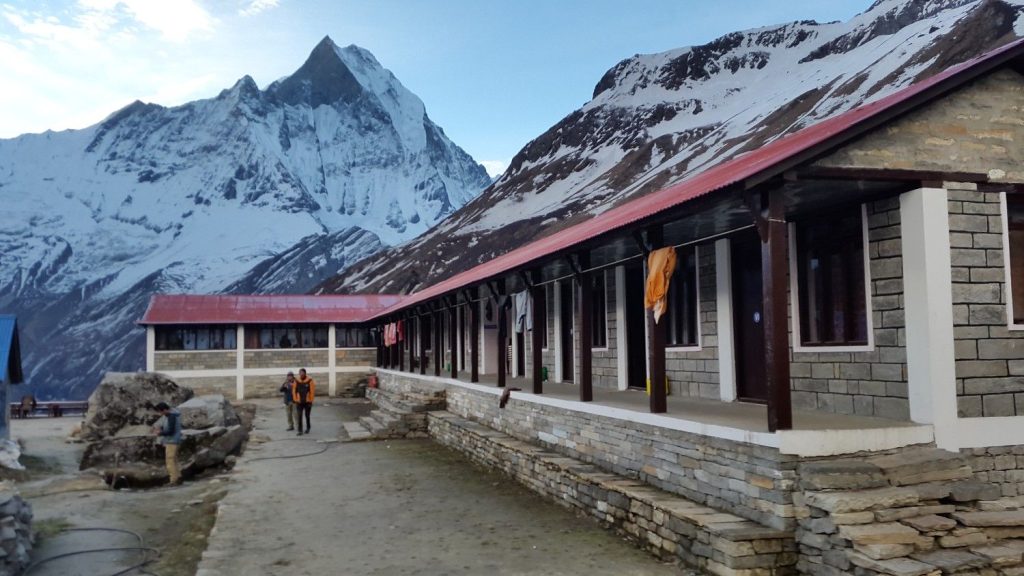
But at the end of the day, the teahouse is a welcome sight and the staff and owner equally as welcoming.
Food
You will be eating breakfast and dinner in the teahouse and either taking lunch along the trail at a small establishment or taking a packed lunch with you from your overnight stop. Breakfast is simple – porridge, breads, eggs, tea and coffee. Dinner will vary depending on your route, but basically, soup, dal bhat, momos, pasta, chowmein – things along that line. Some teahouses will have beer; most have cold drinks.
Drinking water in plastic bottles is now discouraged, but you will be able to purchase boiled drinking water from the teahouse or bring your own purifying method. Don’t forget to bring your own metal water bottle, preferably two.
Should you opt for a camping trek, you will be accompanied by porters, a cook and other staff who will set up camp, prepare your food and drinking water and generally take care of you.
Camping treks tend to be in more remote areas, so again, check fully before booking this type of trek.
Communication
There is plenty of opportunity over dinner to connect with your guide for information on the following day’s route and landscape. Your guide will tell you how many hours you will have to hike for. It could be as little as 4 or as many as 8. Something else to look at while doing your pre-arrival homework.
On the subject of communications, most areas are now connected to both mobile networks and internet at teahouses.
Landscapes
Landscapes range widely, again depending on the trekking area you choose. Naturally, the majority of people come to see the high majestic Himalayas when trekking in Nepal.
However, there are equally as beautiful hills, valleys, pastures, rivers and villages to see on the way.
Interactions on the Trail
Interactions could take place with other trekkers over your evening dinner, a great time to connect and swap stories. Interactions can also take place with locals, who will always greet you with a warm smile. A lovely Namaste back is the correct way to greet locals. You will meet a lot of children on the trail. They may ask for money or sweets. Please do not give them anything. If you wish to donate to a local school, then talk to your guide. If you take photographs of children or adults, ask their permission, and always let them see the photograph before you move on.
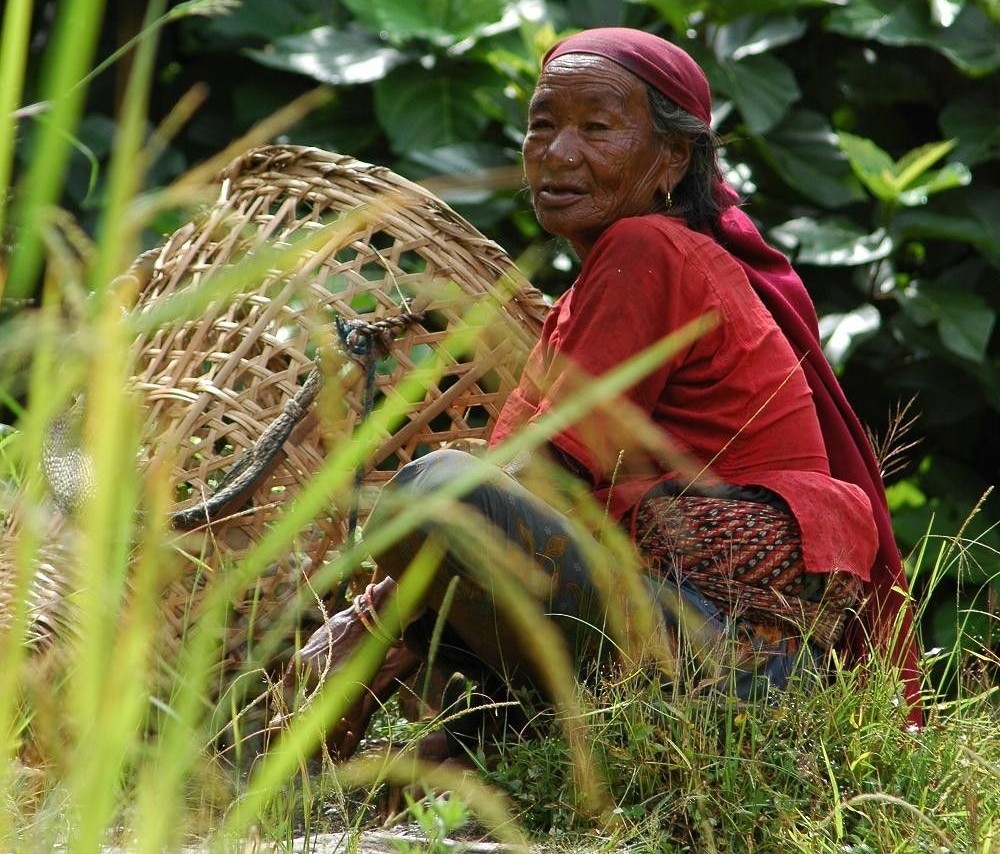
This is a particular thrill for children and the elderly, in the more remote areas!
Being Prepared is the Key to a Successful and Enjoyable Trek!
To sum up, be prepared for any eventuality in the mountains in order not to be disappointed if the reality does not fit your prior expectations. Plan. Pack correctly. Prepare physically and mentally. Remember some areas are remote and lack facilities you would consider ‘basic’ at home. Perhaps no electricity. No hot water. No phone or internet connection. There may be unexpected delays. Trails can be re-routed due to rain or snow, and mountain passes can close due to storms. Based on our guests’ experiences, we know that trekking in Nepal will bring you something wonderful. Perhaps a different reality which turned out to be better than expectations!
And yes, there are days when the sky is blue, the mountains are shining, snow-white against the azure heavens, the birds are singing in the tall pines while the sun kisses your body with a warm glow!

Written by
EnaNepal travel writer & trekking enthusiast. Covering the best of Himalayan adventures since 2019.