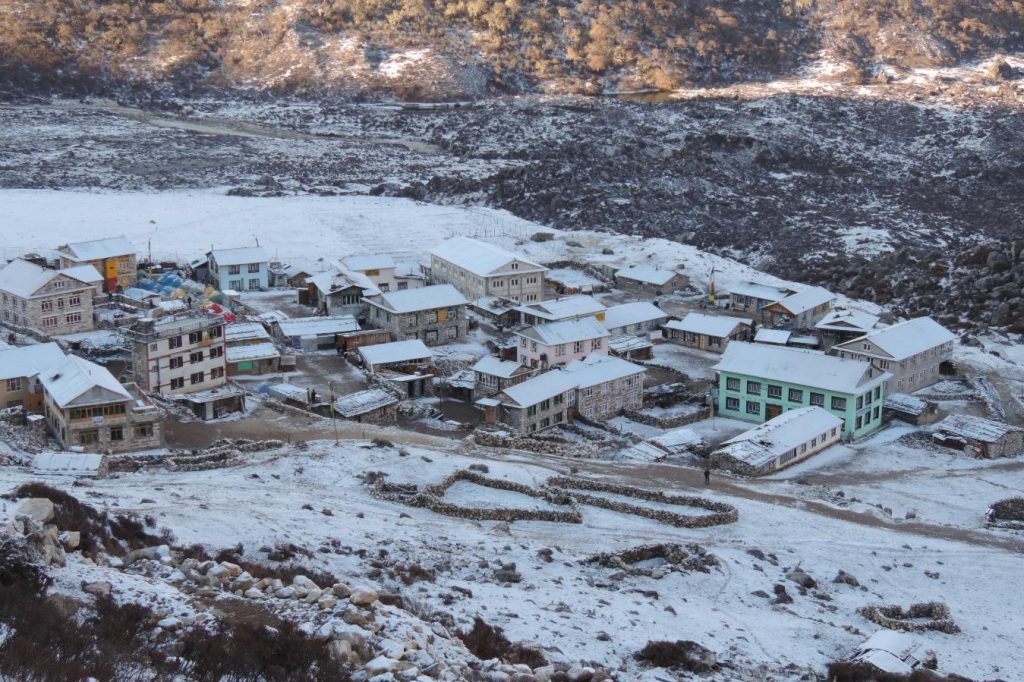
On August 26, 2026, localized flash floods occurred along specific river corridors in northern Nepal, causing damage in parts of the Rasuwa district and Langtang region. If you are currently planning a trip or have an upcoming booking, checking the latest Nepal travel status is essential to understanding how this impacts your specific destination.
Questions like “Should I modify my trekking itinerary?” or “Is travel to major destinations running as scheduled?” are top of mind for many visitors. To clear up confusion and prevent misinterpreting a localized event as a nationwide issue, here is a factual, region-by-region update based on official guidance from Nepal’s tourism authorities and the Pacific Asia Travel Association (PATA).
What is the current Nepal travel status across major destinations?
Nepal travel status for the vast majority of the country remains completely unchanged. The flood was caused by a glacial collapse above Langtang, sending debris down a single water corridor: the Lhende Khola, Bhote Koshi, and Trishuli rivers. Outside this immediate corridor, tourism infrastructure, airports, hotels, and trekking routes across Nepal are fully open and operating normally. PATA leadership has explicitly advised travelers to assess plans by specific route rather than viewing the country as a whole. For background on the disaster, see our full Nepal Floods 2026: Travel & Safety Update.
What’s the situation of Kathmandu Valley?
Kathmandu, including Tribhuvan International Airport (KTM) and all major city infrastructure, is entirely unaffected. Visitors can travel seamlessly to UNESCO World Heritage Sites like Kathmandu Durbar Square, Swayambhunath, Boudhanath, and Pashupatinath, as well as enjoy local cultural activities throughout Thamel and Patan.
Can I still trek to Everest Base Camp?
Yes. The Everest and Khumbu region was not affected by the August 26 flood. It lies well outside the flood-impacted river corridors, and flights, teahouses, and trails are running as usual. If EBC is on your list, there’s no need to change your plans.
Can I still trek in the Annapurna region or visit Pokhara?
Pokhara and the Annapurna region are fully operational and were not impacted by the flood. Lakeside activities, paragliding, and the Annapurna Circuit and Base Camp routes are all running normally. While the road journey between Kathmandu and Pokhara was affected by a landslide at Krishnabhir on the Prithvi Highway, a newly constructed alternative track has been completed and safety-tested, officially reopening the section for full two-way traffic as of September 17, 2026.
Even though the highway is now fully operational, drivers and travelers are advised to exercise caution and proceed with awareness due to the fresh, fragile nature of the mountain slope, or travelers can avoid potential road delays entirely by taking a short flight to Pokhara to keep their trip moving smoothly.
What about wildlife safaris in Chitwan or Bardiya?
Also unaffected. Jungle safaris and wildlife viewing in Chitwan and Bardiya are operating on their normal schedules. Visitors can still go on jeep and canoe safaris in search of one-horned rhinos, Bengal tigers, and gharial crocodiles, take guided nature walks and birdwatching tours, and spend time in Tharu villages experiencing local culture, cuisine, and traditional stick dances, all running as usual in both national parks.
Is Lumbini, or the Buddhist Circuit, affected?
No. Lumbini and the wider Terai region, including the Buddhist Circuit through southern Nepal, are open and unaffected by the floods. Pilgrims and visitors can still explore the Sacred Garden, Ashoka Pillar, Eternal Peace Flame, and the Maya Devi Temple marking Buddha’s birthplace, and walk among the international monastic zone’s monasteries built by Buddhist communities from various countries.
Which places should I avoid right now?
The areas to steer clear of for the time being are the ones directly in the flood corridor, impacted by severe flash floods and landslides:
Langtang Valley & Trekking Routes: Langtang Valley and the surrounding trekking region (including Langtang National Park trails, Kyanjin Gompa, Gosaikunda, Helambu Circuit, Tamang Heritage Trail, Ruby Valley, and Syabrubesi), where trails, lodges, and paths were directly hit or blocked.
Rasuwa District & Border Area: Rasuwa district more broadly, specifically the Rasuwagadhi-Timure-Syabrubesi area and the Rasuwagadhi/Kerung border crossing with China.
Bhote Koshi Corridor & Affected Highways: The Bhote Koshi corridor (including sections of the Arniko Highway following the river), along with parts of the Pasang Lhamu Highway and Prithvi Highway, were disrupted by landslides.
These areas are currently focused on search, rescue, and recovery work, and are not suitable for tourism until that work is further along. If a trek or itinerary you’re considering passes through any of these specific places, it’s worth holding off or rerouting.
Are flights in and out of Nepal running normally?
Yes. Nepal’s airports and major tourism infrastructure continue to operate. International and domestic flight schedules to unaffected regions haven’t changed because of the floods.
Should I cancel my upcoming trip?
Not automatically. If your trip doesn’t route through Rasuwa, Langtang, or the Bhote Koshi corridor, there’s no need to cancel. PATA’s own guidance to the industry has been to assess travel plans by the specific destination or route involved, rather than treating the whole country as off-limits. International coverage hasn’t always made that distinction clearly, leading to cancellations for trips to parts of Nepal that were never affected.
Where can I check the latest official status before I travel?
Nepal Tourism Board (official site): Nepal’s national tourism authority, for broader destination and policy updates
NDRRMA for verified casualty and damage figures (avoid unverified numbers circulating elsewhere)
PATA Nepal Chapter for updates on operating conditions in the affected region as recovery continues
Your home country’s foreign travel advisory (e.g. UK FCDO, US State Department, Australian Smartraveller) for official guidance specific to your nationality, including any visa or insurance implications
Is travelling to Nepal right now actually helpful?
Tourism is one of Nepal’s largest economic pillars, generating around USD 650 million (NPR 88.6 billion) annually in foreign exchange and accounting for over 16% of total export earnings. Beyond direct revenue, the travel and hospitality sector supports over one million direct and indirect jobs, from local guides and porters to lodge owners and transport operators. Every booking, tour, and meal purchased in an unaffected region directly sustains local livelihoods and keeps the wider economy moving when it matters most.
Still have questions?
If you’re unsure whether your specific itinerary is affected, get in touch with our team. We can check and help you plan with confidence.
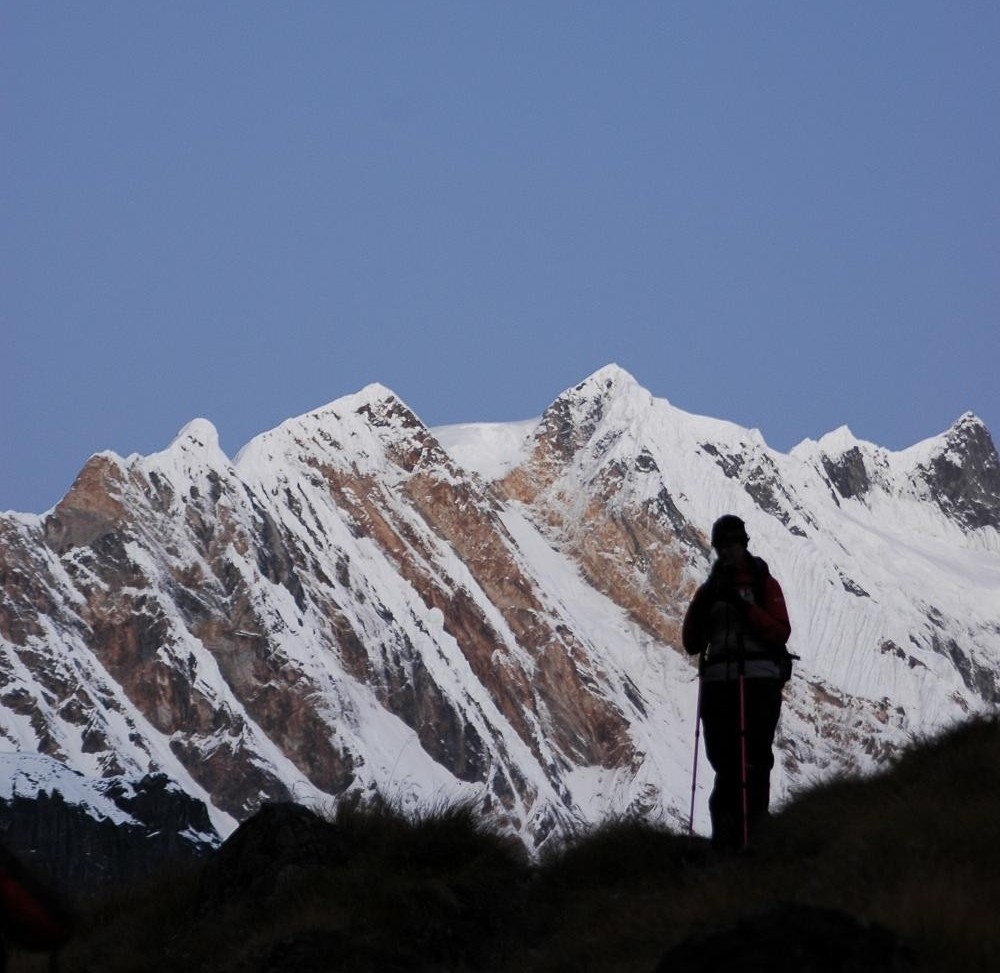
Your expectations: the sky is blue, the mountains are shining, snow-white against the azure heavens, the birds are singing in the tall pines while the sun kisses your body with a warm glow. While the above can be true on many trails and trekking in Nepal experiences, sometimes the reality is different.
Fog obscuring the mountains, cold mornings giving way to hot days when you’re glad your thermal undergarments are sweat-absorbent. And perhaps the need for some salt to throw at the leeches trying to reach your ankles.
So what should you really expect on your trek? And how do you avoid being disappointed?
Do Your Homework Before You Arrive
Experienced trekkers, particularly those who have trekked in the Nepal Himalayas before, will be well aware that, as in many things in life, sometimes reality does not meet expectations. For those who are beginner trekkers or who will be experiencing their first time trekking in Nepal, we suggest you do some research before coming to select the right trek for you. This will also provide you with an idea of what to expect when trekking in Nepal.
Also prepare yourself physically and keep an open mind. There is a beginner’s trekking guide to Nepal as well as a guide to the best trekking seasons in Nepal that you should read. These will give you the best possible heads-up on where to go and when to come. Changing reality: we now frequently update our trekking information to reflect climate changes we are seeing during the trekking seasons.
New trekking routes are being opened up periodically to reflect this and other factors. That said, old routes are adapting too, with some areas becoming more accessible by road.
Even if you have trekked in Nepal before, it is worth looking again at the seasons and trekking routes as they currently stand, so that your experience of trekking in Nepal matches reality.
Prepare Mentally and Physically
Preparing physically means more hours at the gym, more weekends hiking around your local area, but what does being prepared mentally mean? When you consider your Nepal trekking packing list, you will note it contains items for hot, cold, and possibly wet weather. It also contains a first aid kit. This packing list alone should give you some idea of what to expect.
Annapurna Base Camp
What it doesn’t tell you, however, is that there may be delays on the flight getting to the more remote areas and delays on the trail. Note this is said not to put you off trekking, but so that you think through the possibilities and how you would react to them on the trail. To mitigate some of the stress of delays and changes, bring extras of any regular medicines you take, do not book your homeward flight on the day following the proposed end of trek, and be patient. Always.
Your Nepal trekking guide will keep you updated on any problems and workable solutions. Stay Zen!
Weather on the Trek
This is the Himalayas. The weather is always unpredictable! Check our guide to Nepal trekking seasons to get an idea of what to expect at different times of the year. Keep in mind the best trekking season for one region may not be good in another.
The other thing to bear in mind is the seasons with the best weather – spring and autumn – are also the busiest. If you like to interact with other trekkers at the end of the day, these might be the times for you. If you like more solitude and time spent alone with nature and your guide, the ‘off’ seasons may suit you better. We should point out that, with changing weather patterns, the ‘shoulder’ periods of spring and autumn are now becoming excellent times to trek and, so far, are less busy than the main periods.
Take a look at the terrain of your chosen trek. Are there a lot of forests and rivers along the trail, which could be damp in the mornings and in the rain? Are you happy hiking through dry desert-like landscapes? Which are awesome by the way.
Ideally, especially for those interested in flora and fauna, a trek with changing terrains is superb!
Altitude and Altitude Sickness in Nepal
When we receive feedback from trekkers, we note that many were not prepared enough for the physical impact of altitude. Whether you will adapt well or have some trouble with high altitude does not depend on your age, sex, or fitness level. If you have any medical issues, we suggest you check with your doctor before booking your trek. But for the majority, there is no way of knowing how you will react to altitude until you are there – standing on that high mountain peak!
-Hiking slowly and steadily is key.
-Rehydration is also a major key.
-But rest assured, your guide receives training in what to do should you suffer from altitude or any other illness.
-Overall, please be aware of the altitude you will be hiking and sleeping at on your trek.
-Note there is a vast difference between crossing a 5,000m pass and sleeping at 5,000m.
-In the case of the pass, you may be at this altitude for two or three hours, whereas if you are sleeping at that height, you will be subject to altitude for around 12 hours.
-This is something worth considering when selecting your trek.
On the plus side, many trekking routes in Nepal have a low daily increase in altitude which gives your body plenty of time to adjust.
Accommodation on a Teahouse Trek
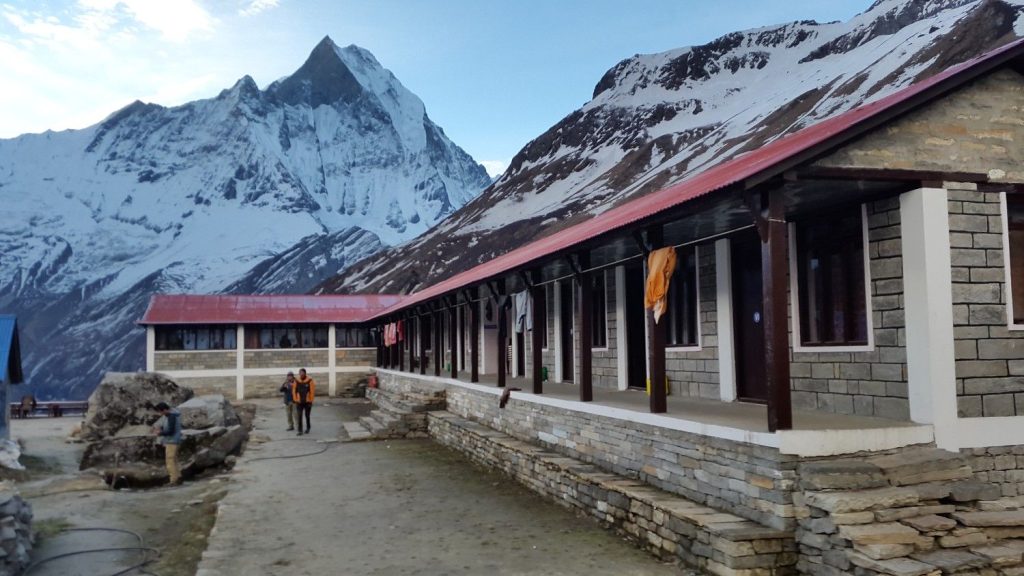
The majority of trekkers coming to Nepal opt for treks which have guest houses along the trails. Others may opt for a camping trip which can be considered more rugged. Guest houses in Nepal are called teahouses, and they remain the most popular form of accommodation on the trail. They offer a range of facilities and levels of comfort. Overall, they are adequately comfortable; the dining room is warm, the food is good and plentiful. Yes, there are toilets and showers; just not attached to the sleeping rooms. Shared, often basic, facilities are the norm.
Teahouse while doing Annapurna Base Camp
But at the end of the day, the teahouse is a welcome sight and the staff and owner equally as welcoming.
Food
You will be eating breakfast and dinner in the teahouse and either taking lunch along the trail at a small establishment or taking a packed lunch with you from your overnight stop. Breakfast is simple – porridge, breads, eggs, tea and coffee. Dinner will vary depending on your route, but basically, soup, dal bhat, momos, pasta, chowmein – things along that line. Some teahouses will have beer; most have cold drinks.
Drinking water in plastic bottles is now discouraged, but you will be able to purchase boiled drinking water from the teahouse or bring your own purifying method. Don’t forget to bring your own metal water bottle, preferably two.
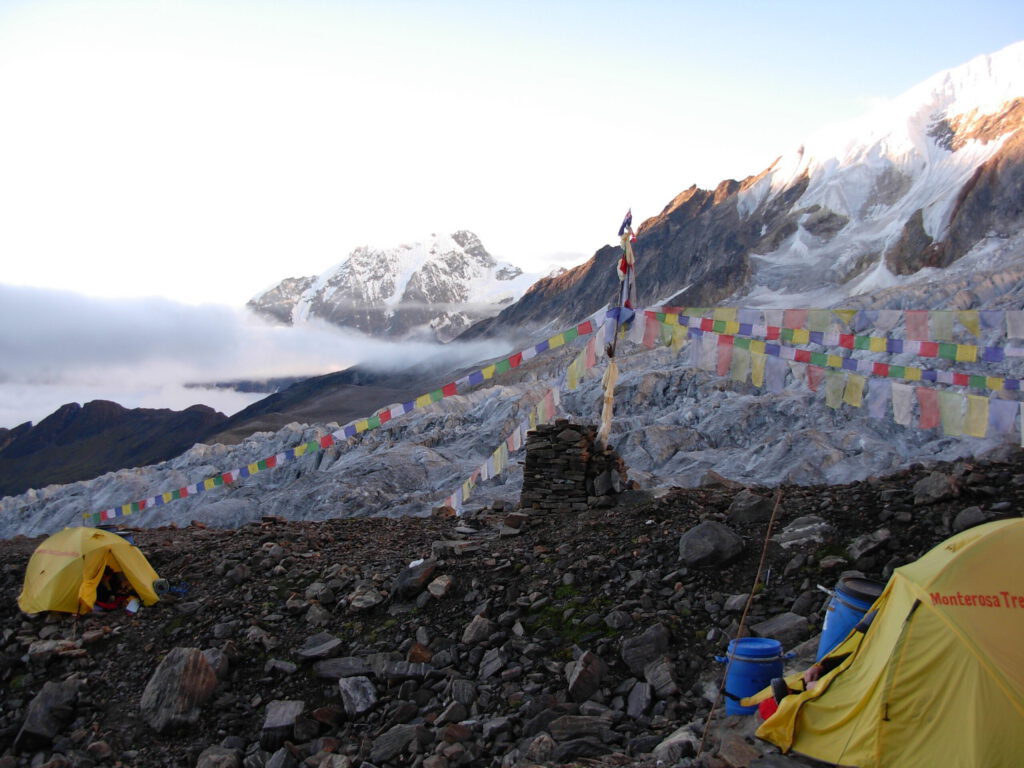
Should you opt for a camping trek, you will be accompanied by porters, a cook and other staff who will set up camp, prepare your food and drinking water and generally take care of you.
Camping treks tend to be in more remote areas, so again, check fully before booking this type of trek.
Communication
There is plenty of opportunity over dinner to connect with your guide for information on the following day’s route and landscape. Your guide will tell you how many hours you will have to hike for. It could be as little as 4 or as many as 8. Something else to look at while doing your pre-arrival homework.
On the subject of communications, most areas are now connected to both mobile networks and internet at teahouses.
Landscapes
Landscapes range widely, again depending on the trekking area you choose. Naturally, the majority of people come to see the high majestic Himalayas when trekking in Nepal.
However, there are equally as beautiful hills, valleys, pastures, rivers and villages to see on the way.
Interactions on the Trail
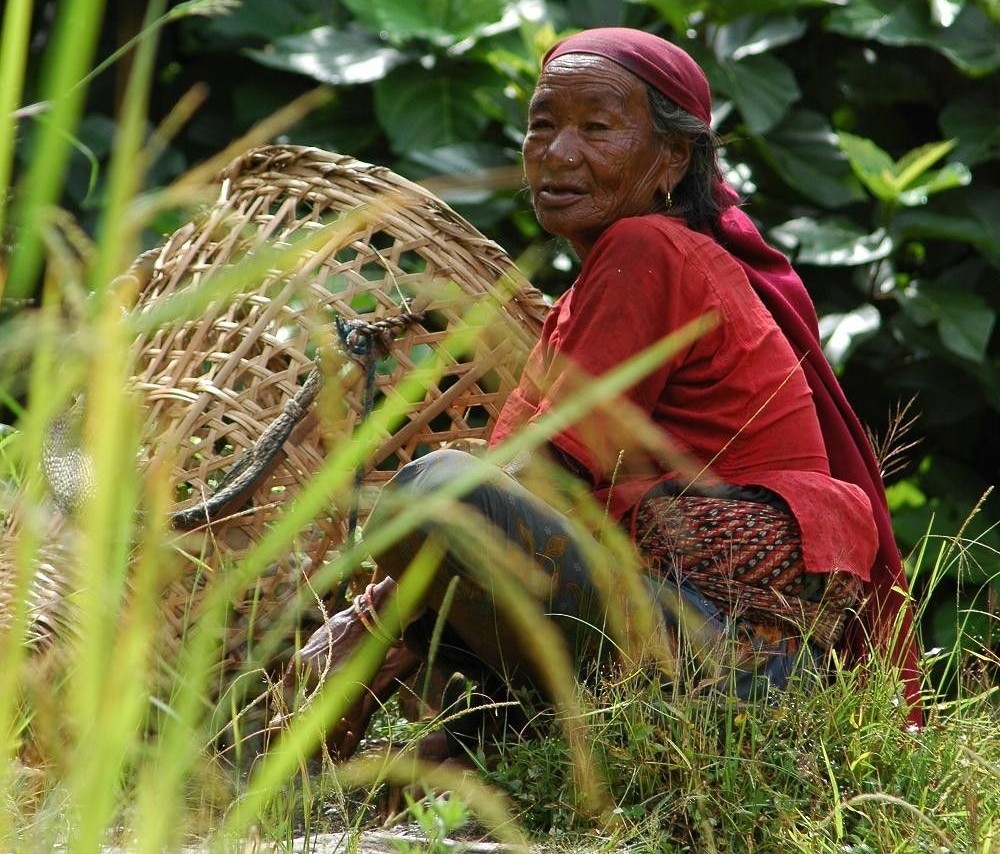
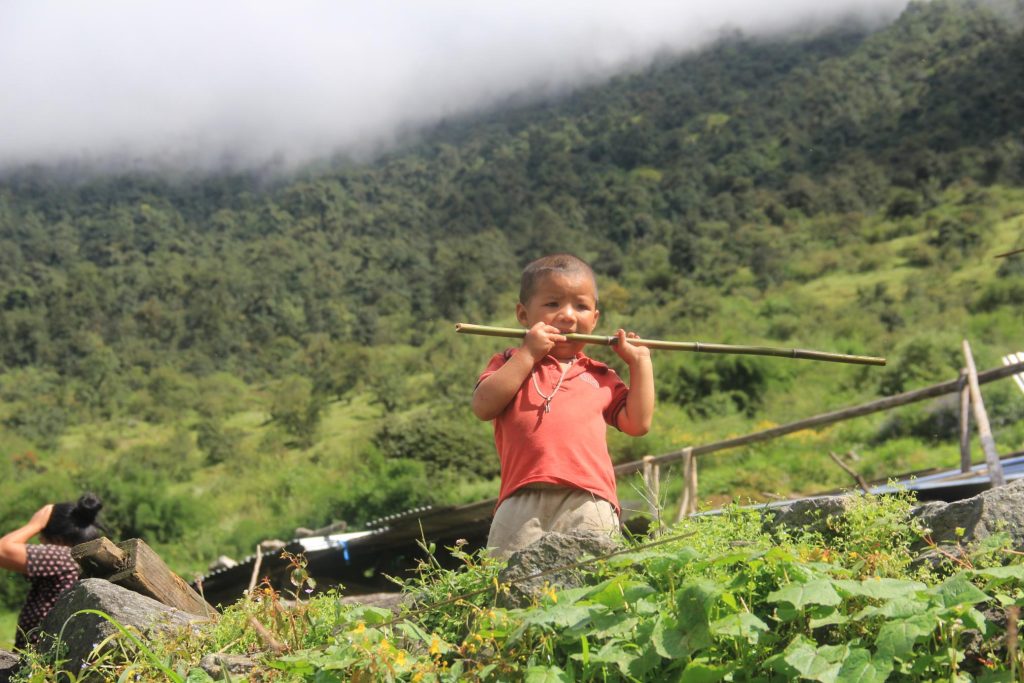
Interactions could take place with other trekkers over your evening dinner, a great time to connect and swap stories. Interactions can also take place with locals, who will always greet you with a warm smile. A lovely Namaste back is the correct way to greet locals. You will meet a lot of children on the trail. They may ask for money or sweets. Please do not give them anything. If you wish to donate to a local school, then talk to your guide. If you take photographs of children or adults, ask their permission, and always let them see the photograph before you move on.
People you’ll meet on the way to Annapurna Base Camp
This is a particular thrill for children and the elderly, in the more remote areas!
Being Prepared is the Key to a Successful and Enjoyable Trek!
To sum up, be prepared for any eventuality in the mountains in order not to be disappointed if the reality does not fit your prior expectations. Plan. Pack correctly. Prepare physically and mentally. Remember some areas are remote and lack facilities you would consider ‘basic’ at home. Perhaps no electricity. No hot water. No phone or internet connection. There may be unexpected delays. Trails can be re-routed due to rain or snow, and mountain passes can close due to storms. Based on our guests’ experiences, we know that trekking in Nepal will bring you something wonderful. Perhaps a different reality which turned out to be better than expectations!
And yes, there are days when the sky is blue, the mountains are shining, snow-white against the azure heavens, the birds are singing in the tall pines while the sun kisses your body with a warm glow!
The Pikey Peak trek is one of Nepal’s best short treks, offering stunning Himalayan views and rich cultural experiences without the heavy crowds of Everest Base Camp.
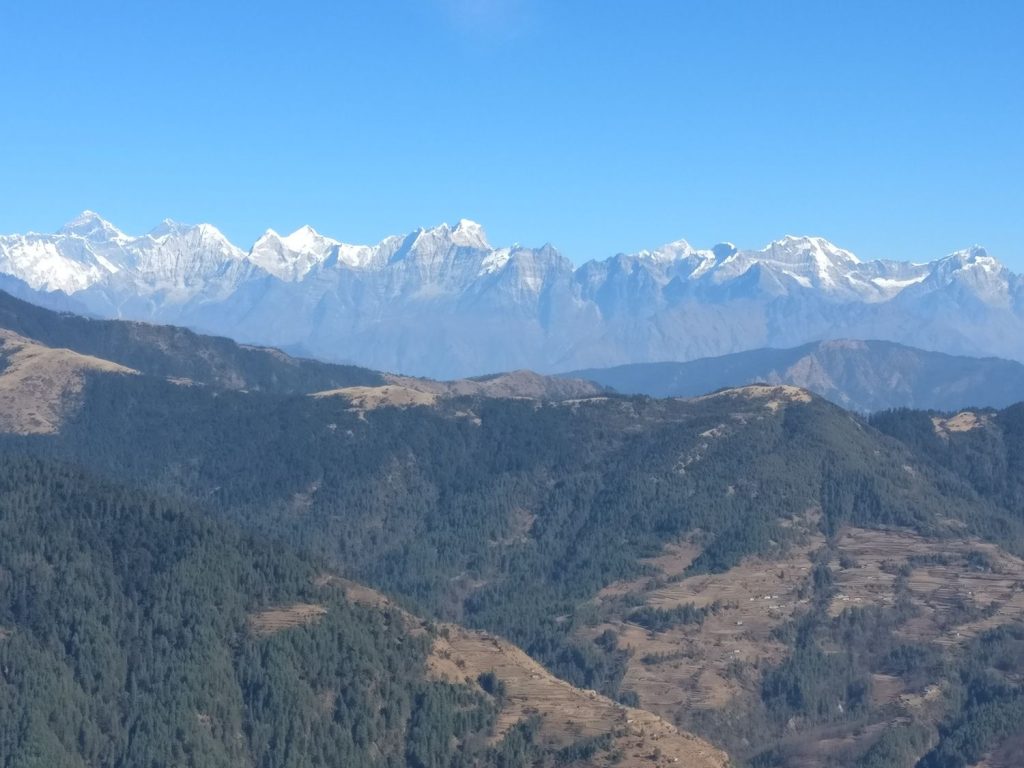
What makes this trek especially appealing is its balance. It’s short, relatively easy, and incredibly rewarding. You get wide panoramic views of the Himalayas, peaceful trails through forests and villages, and a chance to experience local Sherpa culture in a more relaxed setting.
It’s a great option for beginners, solo travelers, or anyone looking for a quieter alternative to the more popular trekking routes.
FrequentlyAsked Questions
1. How difficult is the trek?
The trek is considered easy to moderate, making it suitable for beginners. Expect to walk around 5–6 hours daily on mixed terrain. Trails include forest paths, stone steps, and gradual uphill sections. No technical climbing or special equipment is required.
While it’s manageable, some sections can feel tiring, especially near higher altitudes. A bit of preparation, like walking or light cardio, before your trip can make a big difference.
2. What is the maximum altitude?
The highest point is 4,065 meters at Pikey Peak summit. Offers panoramic views, including Mount Everest and the surrounding Himalayan ranges. The altitude is high enough to feel the mountain environment, but lower than on many other treks, making it more comfortable for first-timers.
3. How long does it take?
This trek typically takes 7 days in total. Includes travel, trekking days, summit hike, and return. This shorter duration makes it perfect for travelers who want a Himalayan experience without committing to a long itinerary.
4. Do I need prior trekking experience?
No prior trekking experience is required. It is suitable for first-time trekkers, whereas basic fitness and an active lifestyle are enough.
If you can walk for several hours a day and handle gentle uphill climbs, you’ll be able to enjoy this trek comfortably.
5. What kind of accommodation is available?
Stay in local tea houses along the route. Rooms are simple, usually twin-sharing, with shared bathrooms. Meals are freshly prepared, mostly local dishes like dal bhat, noodles, and soups. The experience is simple but authentic, giving you a closer look at local life and hospitality.
6. Is altitude sickness a concern?
Possible, but less common compared to higher treks. The gradual ascent helps your body adjust better; however, to be safe:
-Walk at a steady pace
-Drink plenty of water
-Inform your guide if you feel symptoms like a headache or dizziness
7. What is the best time to go?
Spring (March–May): Blooming rhododendron forests and pleasant weather
Autumn (September–November): Clear skies and the best mountain views
Both seasons offer stable weather and excellent visibility, making your trek more enjoyable.
Pikey Peak is perfect if you’re looking for a peaceful, scenic, and beginner-friendly Himalayan adventure. It offers everything: mountain views, culture, and a sense of accomplishment without the intensity of longer treks.
If you want a quieter trail with equally rewarding views, this trek is definitely worth considering!
Experience life on a Himalayan trek to discover a journey that will completely transform your perspective on travel and adventure. A Himalayan trek is more than just walking through mountains. It’s an experience that slowly reshapes your daily routine and the way you see the world. It’s not just about reaching a destination; it’s about the rhythm of life you step into along the way.
Once you leave Kathmandu behind, everything begins to feel different. The noise fades, the air feels fresher, and time seems to slow down. Your days become simple and intentional, waking up early with the first light, walking through quiet trails, stopping for tea breaks, and resting as the sun sets behind the mountains.
There’s something deeply calming about this routine that’s hard to find in everyday life.
As you walk through villages, you’ll notice how people live with very little, yet seem completely content. Stone houses, prayer flags fluttering in the wind, and locals going about their daily chores create a peaceful atmosphere. Children playing in open fields, elders sitting outside enjoying the sun, and farmers working the land- it all feels real, grounded, and untouched by the modern rush.
Tea houses become your home during the trek. These small, family-run lodges may be simple, but they carry a warmth that’s hard to describe. Rooms are basic, often with wooden beds and thick blankets, but after a long day of walking, they feel more than enough. Evenings are usually spent in a common dining area, gathered around a warm stove, sharing stories with fellow trekkers, and enjoying the quiet comfort of the mountains.
Food plays a big role in the experience. Meals are simple, fresh, and nourishing. A plate of rice, lentils, vegetables, and pickles becomes a staple, giving you the energy needed for long trekking days. There’s something special about eating a hot meal in the cold mountain air, knowing it’s been prepared with care using local ingredients. Even a cup of tea or hot soup feels comforting after hours on the trail.
One of the most beautiful aspects of trekking is the people you meet. Travelers from different parts of the world come together, forming quick friendships over shared experiences. Conversations flow easily, laughter comes naturally, and there’s a sense of connection that doesn’t need much explanation.
Of course, trekking also comes with its challenges. Cold mornings, basic facilities, and limited connectivity can feel unfamiliar at first. But over time, these small discomforts become part of the experience. You begin to appreciate the little things: the warmth of sunlight, the taste of a simple meal, the sound of the wind through the mountains.
By the end of the trek, you realize it was never just about the destination. It’s about the quiet moments, the people, the simplicity, and the way the mountains make you slow down and truly feel present.
At the end, you sense a deeper appreciation for a simpler and more meaningful way of living.
Following practical Himalayan trekking tips is the best way to ensure your mountain adventure remains safe, smooth, and genuinely unforgettable. Trekking in Nepal is a dream for many travelers, offering breathtaking mountain views, rich culture, and a sense of adventure that’s hard to match.
But the Himalayas are not just beautiful; they are powerful and unpredictable. Whether you’re heading toward Everest Base Camp or exploring quieter trails, preparation and awareness play a huge role in how enjoyable your journey will be.
One of the most common mistakes trekkers make is underestimating the altitude. As you climb higher, the oxygen level drops, and your body needs time to adjust. This is why rushing through the trek can lead to fatigue, discomfort, or even altitude sickness. Taking things slow might feel challenging at first, but it’s the safest and most rewarding way to experience the mountains.
Another important aspect is listening to your body. Small symptoms like headaches or dizziness shouldn’t be ignored. Paying attention early can prevent bigger problems later and ensure that your trek stays enjoyable.
Do’s
Take acclimatization days seriously Rest days are not optional; they help your body adjust to altitude and reduce the risk of sickness.
Stay well hydrated Drink at least 3–4 liters of water daily. Proper hydration helps your body function better at high altitude.
Dress in layers Weather in the mountains changes quickly, so layering allows you to stay comfortable throughout the day.
Follow your guide’s advice Guides understand the terrain and conditions better than anyone. Their instructions are there to keep you safe.
Respect local culture and environment Greet locals with a “Namaste,” follow monastery rules, and keep the trails clean.
Don’ts
Don’t rush the trek Walking too fast can lead to exhaustion and altitude-related issues. A steady pace is key.
Don’t ignore warning signs Headaches, nausea, or dizziness should be taken seriously—inform your guide immediately.
Don’t litter or harm nature The Himalayas are fragile. Carry your waste and leave no trace behind.
Don’t overpack A heavy backpack makes trekking unnecessarily difficult. Stick to essentials.
Don’t rely on Wi-Fi or luxury Connectivity and facilities are limited. Embrace the simplicity—it’s part of the experience.
At its core, trekking in the Himalayas is not about speed or competition. It’s about slowing down, respecting the environment, and fully experiencing the journey.
When you follow these simple do’s and don’ts, you not only make your trek safer but also far more enjoyable and memorable.
Embarking on the Everest Base Camp trek is the ultimate dream for adventurers looking to stand at the foot of the world’s tallest mountain. The journey to Everest Base Camp is often described as a once-in-a-lifetime adventure, and it truly lives up to that reputation. While reaching base camp at 5,364 meters is a major milestone, what makes this trek so special is everything you experience along the way.
From the moment you start the trail, the scenery begins to change. You’ll cross suspension bridges hanging over rushing rivers, walk through pine forests, and pass through traditional Sherpa villages that feel untouched by time. Each day brings something new, which keeps the journey exciting and rewarding.
One of the most memorable stops is Namche Bazaar. This lively mountain town is not just an acclimatization stop; it’s a place where trekkers relax, recharge, and enjoy a bit of comfort in the middle of the Himalayas. Sitting in a cozy café with a warm drink while looking out at the mountains is an experience in itself.
Everest Base Camp Trek
As you move higher, you’ll often come across yak caravans slowly making their way along narrow trails. These animals are essential for transporting supplies in the region and have become an iconic part of the trekking experience. Watching them pass by, with bells gently ringing, adds a unique rhythm to the journey.
What You’ll Experience Along the Way
High-altitude achievement:
Reaching 5,364 meters is not easy. The air gets thinner, and every step requires effort, but that’s what makes the achievement so meaningful.
Namche Bazaar experience:
A vibrant mountain hub where you can find cafes, bakeries, and incredible views of the surrounding peaks.
Yak caravans on the trail:
A common and fascinating sight that reflects the traditional way of life in the Himalayas. Yak caravans are the lifeline of the Himalayas as they help to transport goods, food, and expedition gear across high altitudes.
Seasonal beauty:
In spring, the trails are filled with blooming rhododendrons, while autumn offers clear skies and stunning visibility, making your trek even more beautiful.
Tea house culture:
Simple lodges provide warm meals, basic comfort, and a chance to connect with fellow trekkers from around the world. The simplicity of these accommodations lets you understand a simple life in the Himalayas.
Sunrise & sunset views:
Watching the Himalayas glow in shades of gold, pink, and orange is something you’ll never forget.
Even though the trek is physically demanding, it doesn’t require any technical climbing skills. With proper acclimatization, a steady pace, and a positive mindset, it is achievable for most people with a reasonable level of fitness.
What makes this journey truly unforgettable is not just reaching the destination, but the combination of landscapes, culture, and personal achievement.
By the time you return, you won’t just have photos; you’ll have stories, memories, and a deep sense of accomplishment that stays with you long after the trek ends.
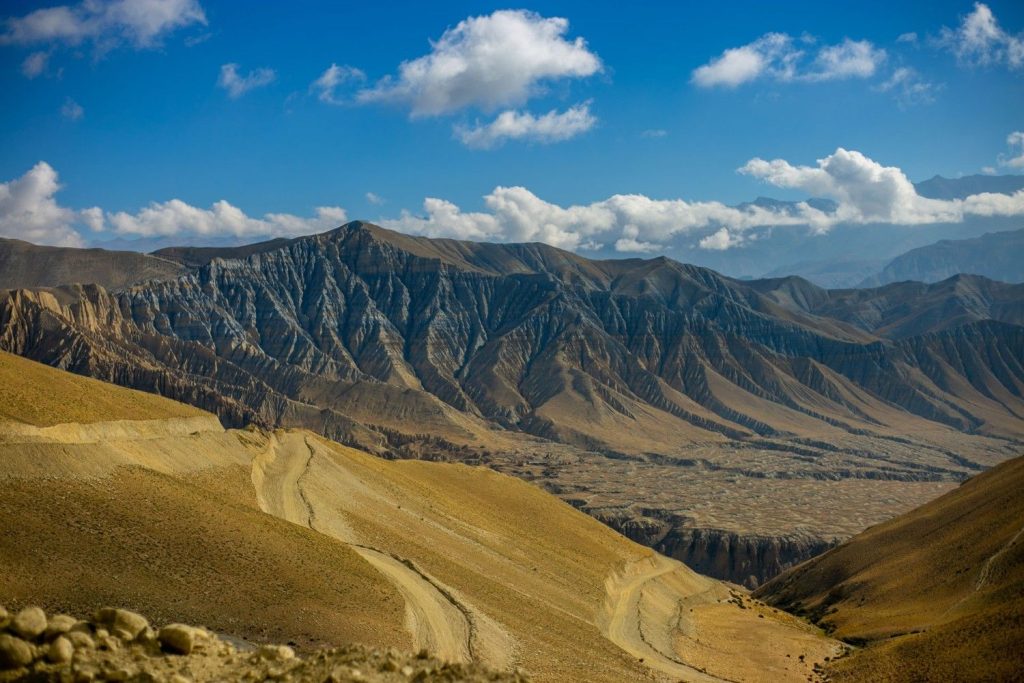
Reading a comprehensive Upper Mustang travel guide is essential for successfully navigating this unique, high-altitude desert hidden behind the Himalayas. A journey to Upper Mustang is unlike any other travel experience in Nepal. Often referred to as the “Last Forbidden Kingdom,” this remote region offers a rare combination of dramatic desert landscapes, centuries-old monasteries, and a strong connection to Tibetan culture that has been preserved for generations.
Unlike the lush green hills found in other parts of Nepal, Mustang’s terrain is dry, rugged, and almost otherworldly. As you travel deeper into the region, especially toward places like Lo Manthang, you’ll notice a shift not just in scenery, but in lifestyle, architecture, and traditions. It feels less like a typical destination and more like stepping into a different era.
However, because of its remote nature, traveling to Upper Mustang requires a bit more preparation than most trips. Being aware of what to expect will help you stay comfortable and fully enjoy the experience.
Important Things to Know
Long travel hours:
Be prepared for 5–8-hour drives on uneven and dusty roads. It can be physically tiring, so patience and flexibility are important.
Cash is essential:
There are no reliable ATMs beyond Pokhara. It’s best to carry enough Nepali rupees for your entire journey, including small expenses at tea houses.
Altitude awareness:
While not as extreme as the Everest region, Mustang still involves higher elevations. Walk at a steady pace, stay hydrated, and inform your guide if you feel discomfort.
Weather conditions:
The region is dry, windy, and often dusty. A scarf or mask, sunglasses, and layered clothing will make your trip much more comfortable.
Limited connectivity:
The Internet and mobile networks are weak or sometimes unavailable. It’s a good idea to inform family in advance and be prepared to disconnect.
Simple accommodation:
Tea houses are basic, with simple rooms and shared facilities. What they lack in luxury, they make up for with warmth, hospitality, and authentic local experiences.
Cultural sensitivity matters:
Mustang is rich in tradition and spirituality. Always ask before taking photos, especially of people or inside monasteries, and respect local customs.
Best Time to Visit
Spring (March–May):
Comfortable temperatures, clear views, and a pleasant atmosphere for travel.
Autumn (September–November):
Stable weather, crisp air, and some of the best visibility for mountain and landscape views.
What truly makes Upper Mustang special is not luxury, but authenticity. The quiet villages, ancient traditions, and untouched landscapes create an experience that feels raw, real, and deeply memorable.
If you go with an open mind and the right expectations, Upper Mustang won’t just be a trip; it will be a journey you’ll remember for years to come.
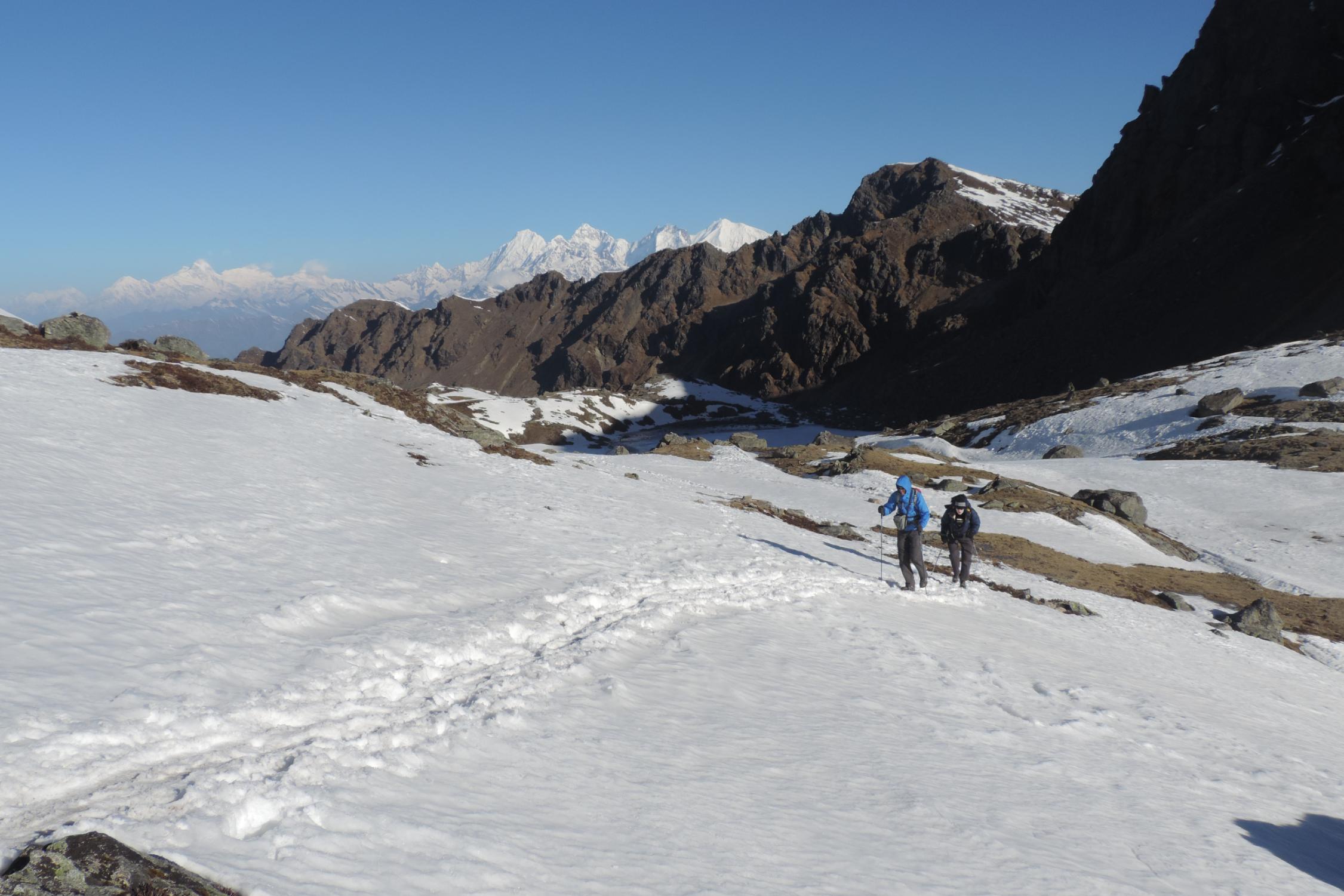
This comprehensive packing guide for Langtang Trek ensures you have everything needed for a safe, comfortable adventure in the Himalayas. Trekking through Langtang National Park is one of the most rewarding experiences in Nepal. With peaceful trails, traditional Tamang villages, and stunning mountain views, it offers a perfect mix of nature and culture. But to truly enjoy the journey, packing smart is essential.
Unlike city travel, trekking in Langtangmeans preparing for changing weather conditions. As you go higher, temperatures can drop quickly, and mornings and evenings tend to be much colder than during the day. This is why layering becomes your best friend; it allows you to adapt without carrying unnecessary weight.
What to Pack for Langtang Trek
Clothing (Layering System)
Moisture-wicking base layers to keep you dry
Insulating mid-layer (fleece or lightweight down jacket)
Waterproof and windproof outer jacket
Trekking pants and thermal wear for colder nights
Warm beanie, gloves, and a sun hat
Footwear
Well-broken-in trekking boots with good grip
Comfortable sandals or camp shoes for evenings
Essentials & Gear
Small daypack (25–35L)
Reusable water bottle or hydration system
Headlamp with extra batteries
Snacks like energy bars, nuts, and chocolates
Personal Items
Sunscreen, lip balm, and UV-protection sunglasses
Toiletries and a quick-dry towel
Basic first aid kit and personal medications
Documents & Extras
Passport and copies
Travel insurance (highly recommended)
Cash in Nepali rupees
Power bank and camera
You can easily rent sleeping bags and down jackets in Kathmandu if you don’t want to invest in new gear.
A simple rule to remember: pack light but pack right. When your bag feels manageable, every step becomes easier, and you’ll have more energy to enjoy the breathtaking landscapes around you.