Make your Himalayan adventure safer and more enjoyable with these simple trekking do’s and don’ts. From altitude awareness to cultural respect, prepare for a better trekking experience in Nepal.
Trekking in Nepal is a dream for many travelers, offering breathtaking mountain views, rich culture, and a sense of adventure that’s hard to match.
But the Himalayas are not just beautiful, they are powerful and unpredictable. Whether you’re heading toward Everest Base Camp or exploring quieter trails, preparation and awareness play a huge role in how enjoyable your journey will be.
One of the most common mistakes trekkers make is underestimating the altitude. As you climb higher, the oxygen level drops, and your body needs time to adjust. This is why rushing through the trek can lead to fatigue, discomfort, or even altitude sickness. Taking things slow might feel challenging at first, but it’s the safest and most rewarding way to experience the mountains.
Another important aspect is listening to your body. Small symptoms like headaches or dizziness shouldn’t be ignored. Paying attention early can prevent bigger problems later and ensure that your trek stays enjoyable.
Do’s
Take acclimatization days seriously
Rest days are not optional; they help your body adjust to altitude and reduce the risk of sickness.
Stay well hydrated
Drink at least 3–4 liters of water daily. Proper hydration helps your body function better at high altitude.
Dress in layers
Weather in the mountains changes quickly, so layering allows you to stay comfortable throughout the day.
Follow your guide’s advice
Guides understand the terrain and conditions better than anyone. Their instructions are there to keep you safe.
Respect local culture and environment
Greet locals with a “Namaste,” follow monastery rules, and keep the trails clean.
Don’ts
Don’t rush the trek
Walking too fast can lead to exhaustion and altitude-related issues. A steady pace is key.
Don’t ignore warning signs
Headaches, nausea, or dizziness should be taken seriously—inform your guide immediately.
Don’t litter or harm nature
The Himalayas are fragile. Carry your waste and leave no trace behind.
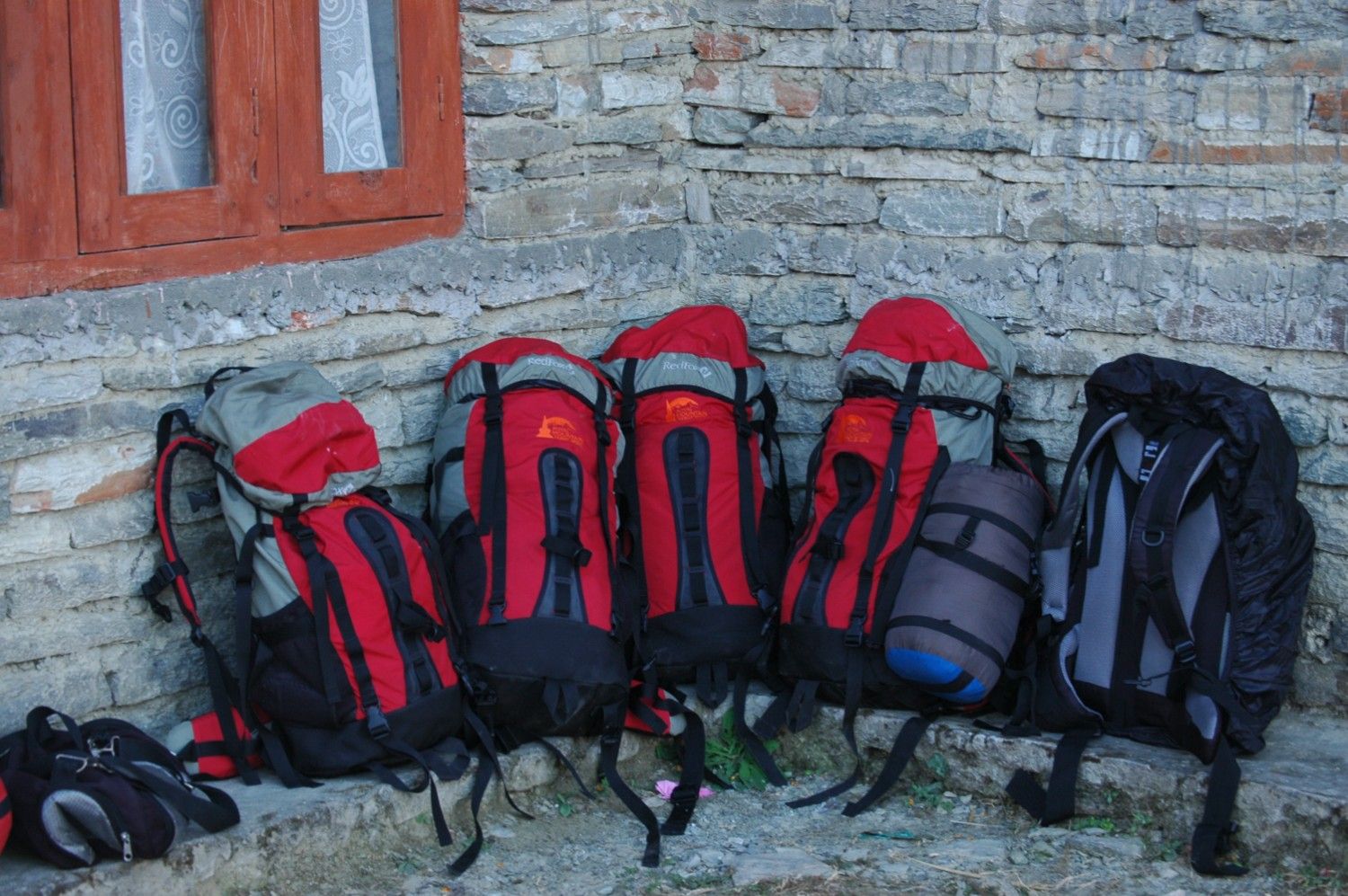
Don’t overpack
A heavy backpack makes trekking unnecessarily difficult. Stick to essentials.
Don’t rely on Wi-Fi or luxury
Connectivity and facilities are limited. Embrace the simplicity—it’s part of the experience.
At its core, trekking in the Himalayas is not about speed or competition. It’s about slowing down, respecting the environment, and fully experiencing the journey.
When you follow these simple do’s and don’ts, you not only make your trek safer but also far more enjoyable and memorable.

Written by
EnaNepal travel writer & trekking enthusiast. Covering the best of Himalayan adventures since 2019.