The Pikey Peak trek is a short, beginner-friendly Himalayan adventure known for its stunning mountain views, peaceful trails, and rich Sherpa culture. This guide answers key questions about difficulty, altitude, duration, accommodation, and the best time to visit, helping you prepare for a smooth and rewarding trekking experience.
The Pikey Peak trek is one of Nepal’s best short treks, offering stunning Himalayan views and rich cultural experiences without the heavy crowds of Everest Base Camp.
What makes this trek especially appealing is its balance. It’s short, relatively easy, and incredibly rewarding. You get wide panoramic views of the Himalayas, peaceful trails through forests and villages, and a chance to experience local Sherpa culture in a more relaxed setting.
It’s a great option for beginners, solo travelers, or anyone looking for a quieter alternative to the more popular trekking routes.
Frequently Asked Questions
1. How difficult is the trek?
The trek is considered easy to moderate, making it suitable for beginners. Expect around 5–6 hours of walking daily on mixed terrain. Trails include forest paths, stone steps, and gradual uphill sections. No technical climbing or special equipment is required.
While it’s manageable, some sections can feel tiring, especially near higher altitudes. A bit of preparation, like walking or light cardio, before your trip can make a big difference.
2. What is the maximum altitude?
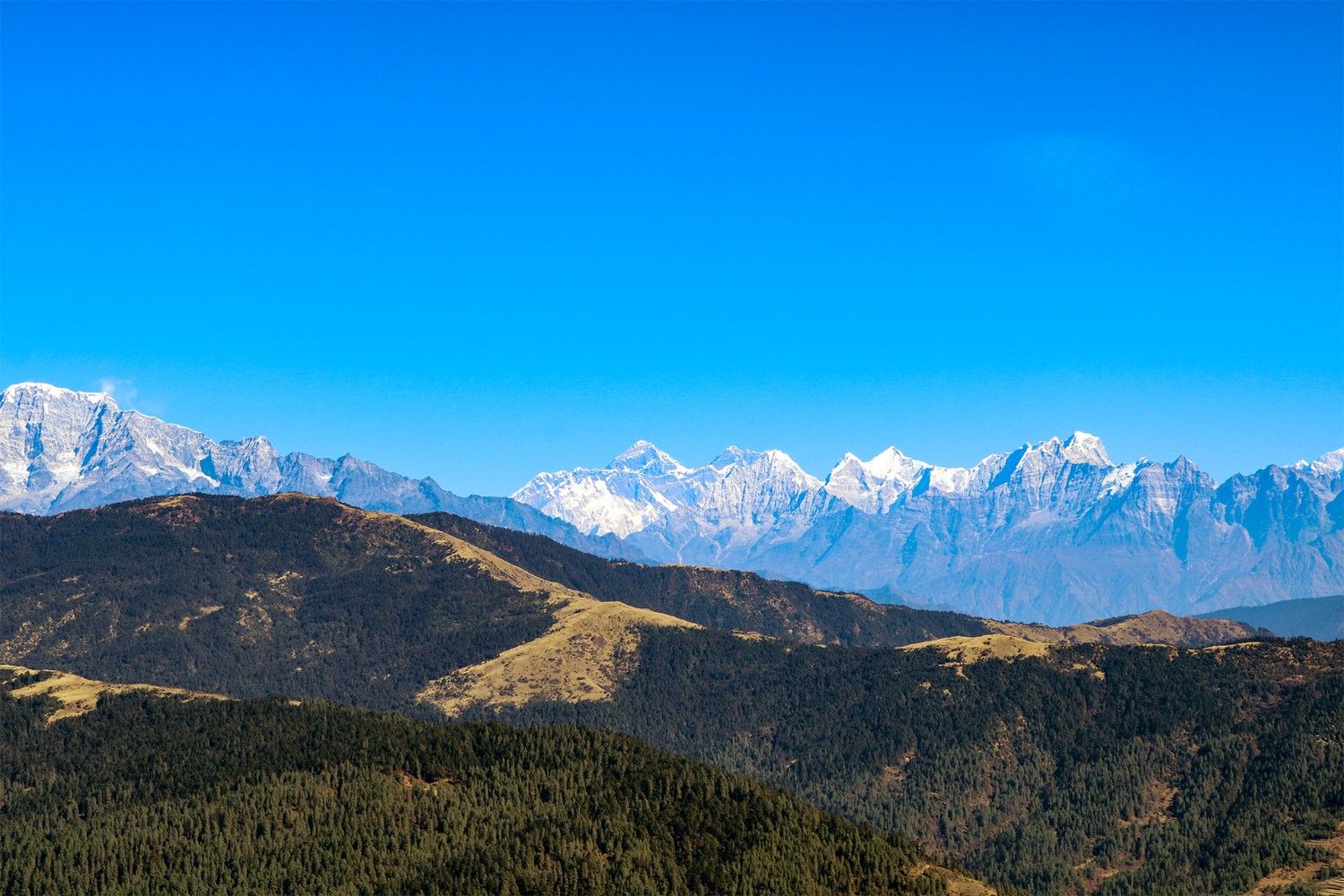
The highest point is 4,065 meters at Pikey Peak summit. Offers panoramic views, including Mount Everest and the surrounding Himalayan ranges. The altitude is high enough to feel the mountain environment, but lower than many other treks, making it more comfortable for first-timers.
3. How long does it take?
This trek typically takes 7 days in total. Includes travel, trekking days, summit hike, and return. This shorter duration makes it perfect for travelers who want a Himalayan experience without committing to a long itinerary.
4. Do I need prior trekking experience?
No prior trekking experience is required. It is suitable for first-time trekkers, whereas basic fitness and an active lifestyle are enough.
If you can walk for several hours a day and handle gentle uphill climbs, you’ll be able to enjoy this trek comfortably.
5. What kind of accommodation is available?
Stay in local tea houses along the route. Rooms are simple, usually twin-sharing, along with shared bathrooms. Meals are freshly prepared, mostly local dishes like dal bhat, noodles, and soups. The experience is simple, but authentic, giving you a closer look at local life and hospitality.
6. Is altitude sickness a concern?
Possible, but less common compared to higher treks. The gradual ascent helps your body adjust better; however, to be safe:
-Walk at a steady pace
-Drink plenty of water
-Inform your guide if you feel symptoms like a headache or dizziness
7. What is the best time to go?
Spring (March–May): Blooming rhododendron forests and pleasant weather
Autumn (September–November): Clear skies and the best mountain views
Both seasons offer stable weather and excellent visibility, making your trek more enjoyable.
Pikey Peak is perfect if you’re looking for a peaceful, scenic, and beginner-friendly Himalayan adventure. It offers everything: mountain views, culture, and a sense of accomplishment without the intensity of longer treks.
If you want a quieter trail with equally rewarding views, this trek is definitely worth considering!

Written by
EnaNepal travel writer & trekking enthusiast. Covering the best of Himalayan adventures since 2019.