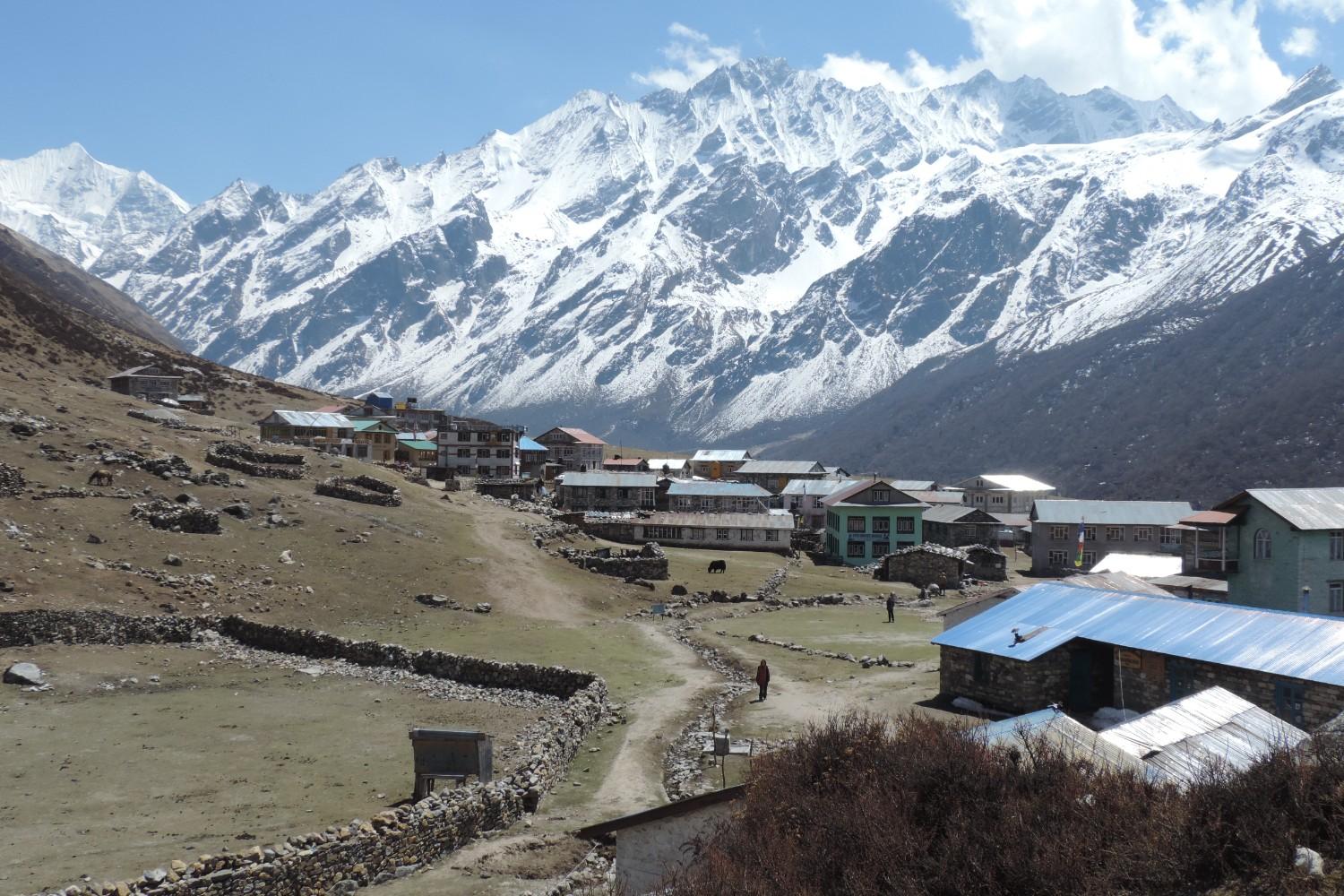
Planning a trek to Langtang National Park? Packing smart is the key to a comfortable and enjoyable journey. From layering clothes for changing temperatures to carrying essential trekking gear, this guide covers everything you need for a smooth Himalayan adventure.
This comprehensive packing guide for Langtang Trek ensures you have everything needed for a safe, comfortable adventure in the Himalayas. Trekking through Langtang National Park is one of the most rewarding experiences in Nepal. With peaceful trails, traditional Tamang villages, and stunning mountain views, it offers a perfect mix of nature and culture. But to truly enjoy the journey, packing smart is essential.
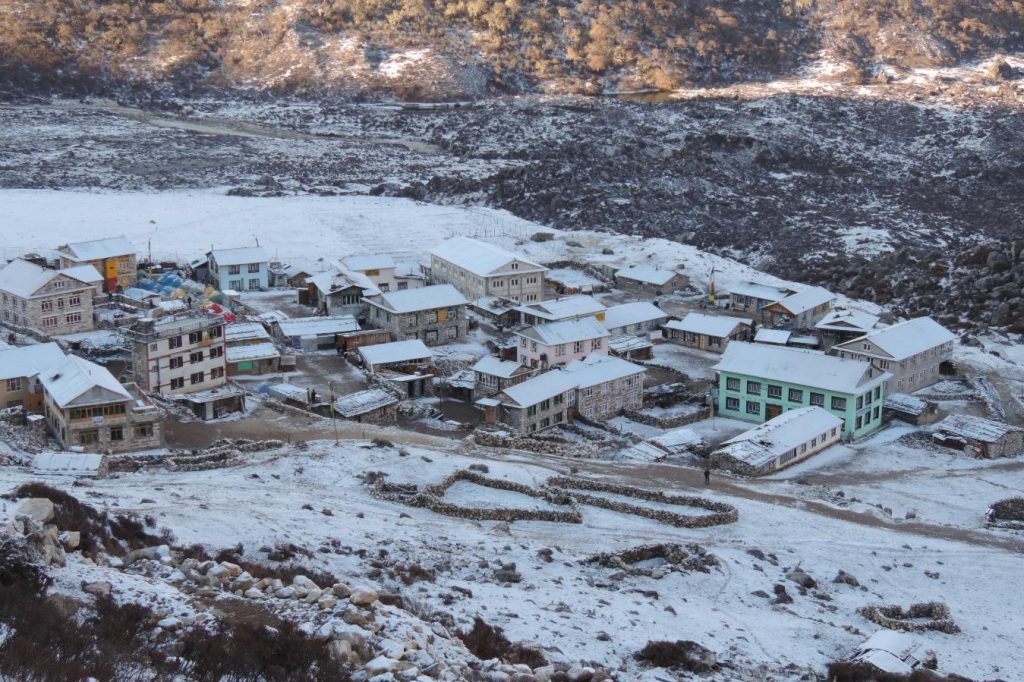
Unlike city travel, trekking in Langtang means preparing for changing weather conditions. As you go higher, temperatures can drop quickly, and mornings and evenings tend to be much colder than during the day. This is why layering becomes your best friend; it allows you to adapt without carrying unnecessary weight.
What to Pack for Langtang Trek
Clothing (Layering System)
- Moisture-wicking base layers to keep you dry
- Insulating mid-layer (fleece or lightweight down jacket)
- Waterproof and windproof outer jacket
- Trekking pants and thermal wear for colder nights
- Warm beanie, gloves, and a sun hat
Footwear
- Well-broken-in trekking boots with good grip
- Comfortable sandals or camp shoes for evenings
Essentials & Gear
- Small daypack (25–35L)
- Reusable water bottle or hydration system
- Headlamp with extra batteries
- Snacks like energy bars, nuts, and chocolates
Personal Items
- Sunscreen, lip balm, and UV-protection sunglasses
- Toiletries and a quick-dry towel
- Basic first aid kit and personal medications
Documents & Extras
- Passport and copies
- Travel insurance (highly recommended)
- Cash in Nepali rupees
- Power bank and camera
You can easily rent sleeping bags and down jackets in Kathmandu if you don’t want to invest in new gear.
A simple rule to remember: pack light but pack right. When your bag feels manageable, every step becomes easier, and you’ll have more energy to enjoy the breathtaking landscapes around you.

Written by
EnaNepal travel writer & trekking enthusiast. Covering the best of Himalayan adventures since 2019.


