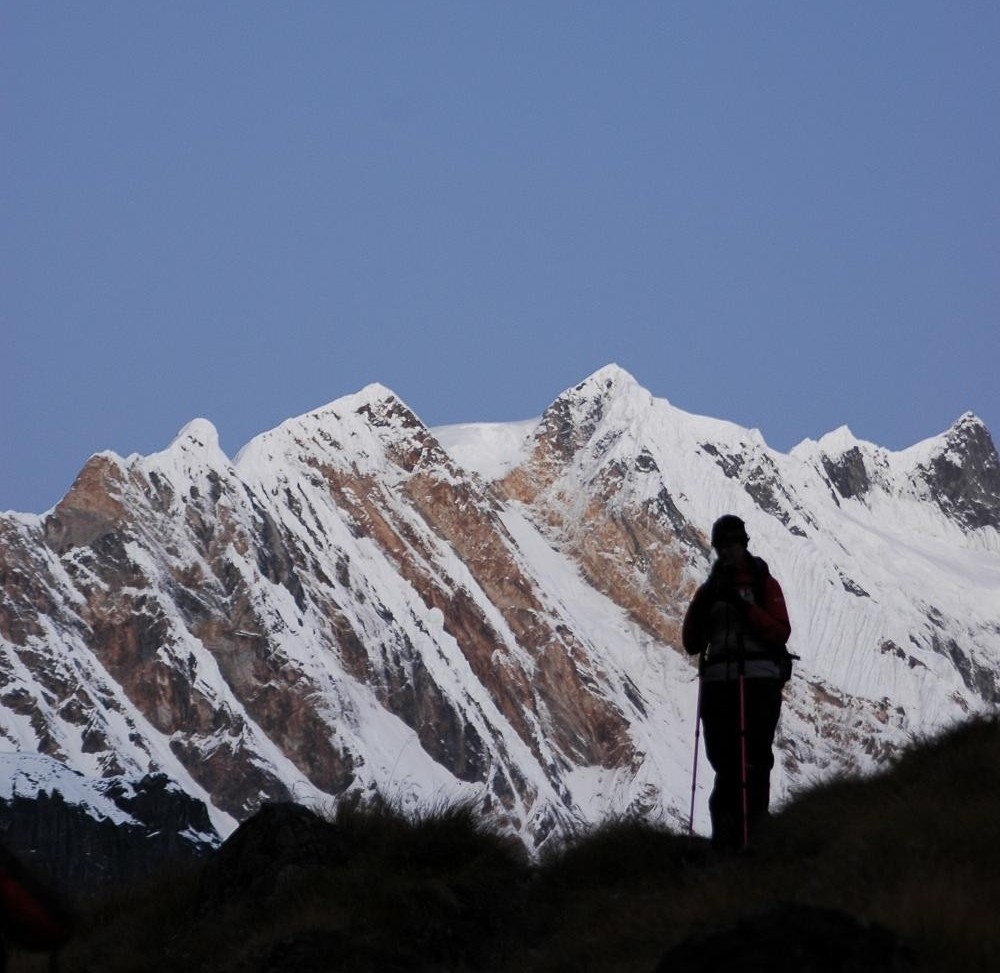
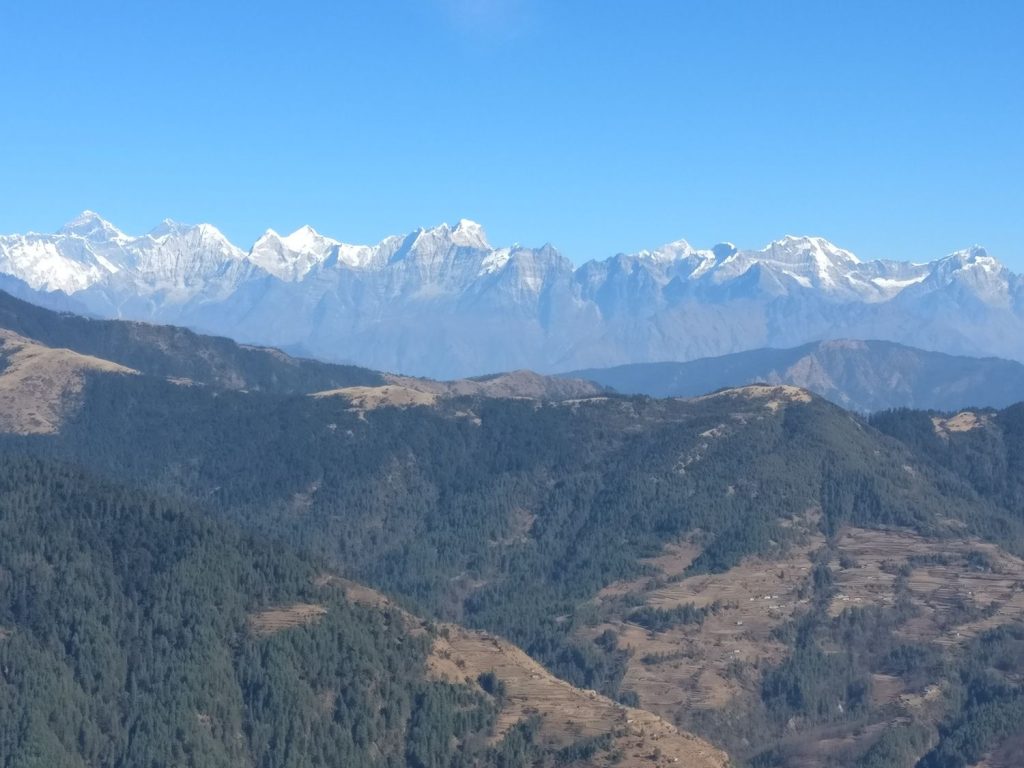
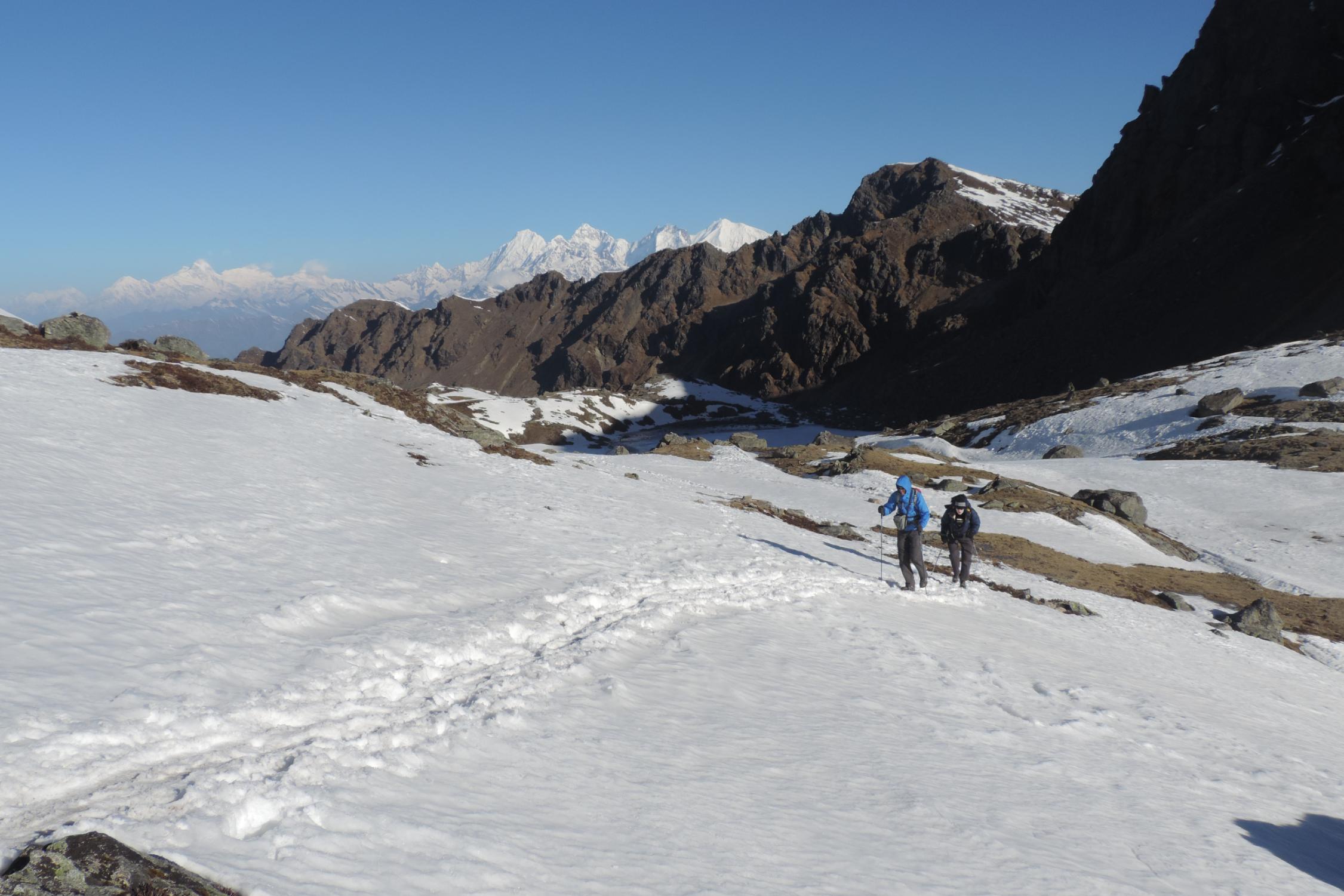
Your expectations: the sky is blue, the mountains are shining, snow-white against the azure heavens, the birds are singing in the tall pines while the sun kisses your body with a warm glow. While the above can be true on many trails and trekking in Nepal experiences, sometimes the reality is different.
Fog obscuring the mountains, cold mornings giving way to hot days when you’re glad your thermal undergarments are sweat-absorbent. And perhaps the need for some salt to throw at the leeches trying to reach your ankles.
So what should you really expect on your trek? And how do you avoid being disappointed?
Do Your Homework Before You Arrive
Experienced trekkers, particularly those who have trekked in the Nepal Himalayas before, will be well aware that, as in many things in life, sometimes reality does not meet expectations. For those who are beginner trekkers or who will be experiencing their first time trekking in Nepal, we suggest you do some research before coming to select the right trek for you. This will also provide you with an idea of what to expect when trekking in Nepal.
Also prepare yourself physically and keep an open mind. There is a beginner’s trekking guide to Nepal as well as a guide to the best trekking seasons in Nepal that you should read. These will give you the best possible heads-up on where to go and when to come. Changing reality: we now frequently update our trekking information to reflect climate changes we are seeing during the trekking seasons.
New trekking routes are being opened up periodically to reflect this and other factors. That said, old routes are adapting too, with some areas becoming more accessible by road.
Even if you have trekked in Nepal before, it is worth looking again at the seasons and trekking routes as they currently stand, so that your experience of trekking in Nepal matches reality.
Prepare Mentally and Physically
Preparing physically means more hours at the gym, more weekends hiking around your local area, but what does being prepared mentally mean? When you consider your Nepal trekking packing list, you will note it contains items for hot, cold, and possibly wet weather. It also contains a first aid kit. This packing list alone should give you some idea of what to expect.
Annapurna Base Camp
What it doesn’t tell you, however, is that there may be delays on the flight getting to the more remote areas and delays on the trail. Note this is said not to put you off trekking, but so that you think through the possibilities and how you would react to them on the trail. To mitigate some of the stress of delays and changes, bring extras of any regular medicines you take, do not book your homeward flight on the day following the proposed end of trek, and be patient. Always.
Your Nepal trekking guide will keep you updated on any problems and workable solutions. Stay Zen!
Weather on the Trek
This is the Himalayas. The weather is always unpredictable! Check our guide to Nepal trekking seasons to get an idea of what to expect at different times of the year. Keep in mind the best trekking season for one region may not be good in another.
The other thing to bear in mind is the seasons with the best weather – spring and autumn – are also the busiest. If you like to interact with other trekkers at the end of the day, these might be the times for you. If you like more solitude and time spent alone with nature and your guide, the ‘off’ seasons may suit you better. We should point out that, with changing weather patterns, the ‘shoulder’ periods of spring and autumn are now becoming excellent times to trek and, so far, are less busy than the main periods.
Take a look at the terrain of your chosen trek. Are there a lot of forests and rivers along the trail, which could be damp in the mornings and in the rain? Are you happy hiking through dry desert-like landscapes? Which are awesome by the way.
Ideally, especially for those interested in flora and fauna, a trek with changing terrains is superb!
Altitude and Altitude Sickness in Nepal
When we receive feedback from trekkers, we note that many were not prepared enough for the physical impact of altitude. Whether you will adapt well or have some trouble with high altitude does not depend on your age, sex, or fitness level. If you have any medical issues, we suggest you check with your doctor before booking your trek. But for the majority, there is no way of knowing how you will react to altitude until you are there – standing on that high mountain peak!
-Hiking slowly and steadily is key.
-Rehydration is also a major key.
-But rest assured, your guide receives training in what to do should you suffer from altitude or any other illness.
-Overall, please be aware of the altitude you will be hiking and sleeping at on your trek.
-Note there is a vast difference between crossing a 5,000m pass and sleeping at 5,000m.
-In the case of the pass, you may be at this altitude for two or three hours, whereas if you are sleeping at that height, you will be subject to altitude for around 12 hours.
-This is something worth considering when selecting your trek.
On the plus side, many trekking routes in Nepal have a low daily increase in altitude which gives your body plenty of time to adjust.
Accommodation on a Teahouse Trek
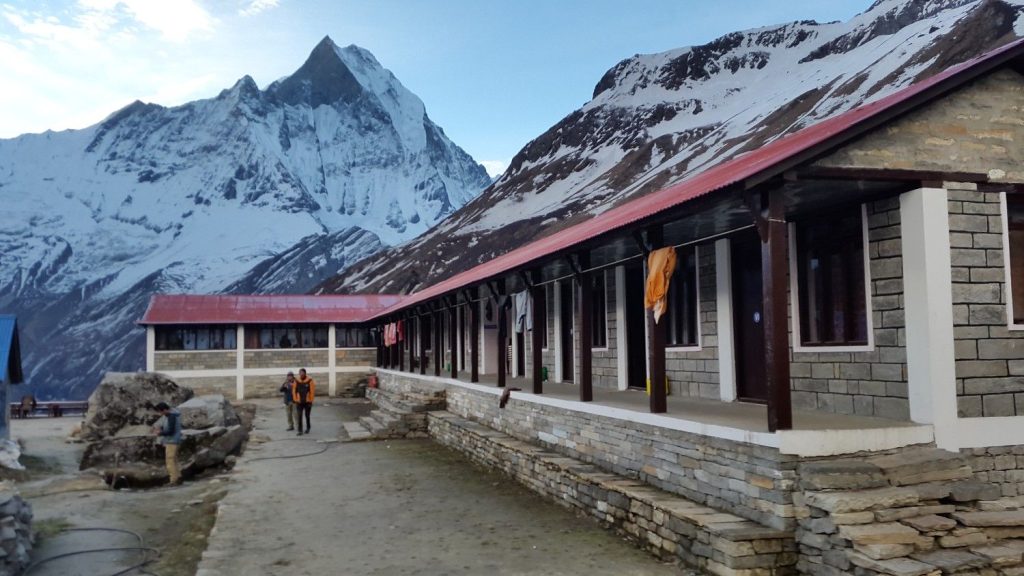
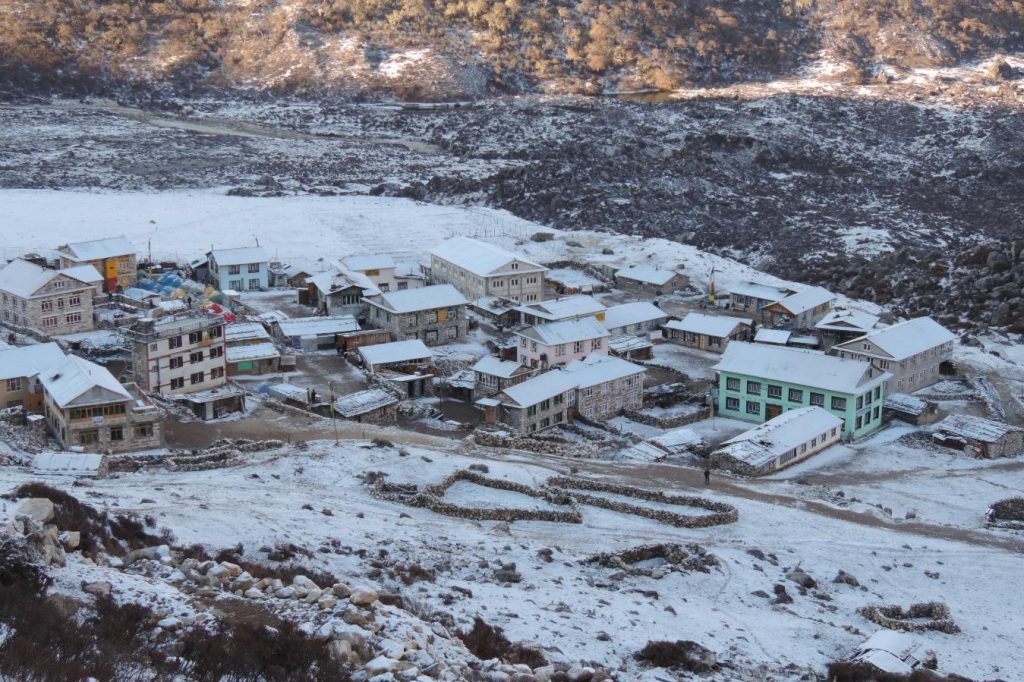
The majority of trekkers coming to Nepal opt for treks which have guest houses along the trails. Others may opt for a camping trip which can be considered more rugged. Guest houses in Nepal are called teahouses, and they remain the most popular form of accommodation on the trail. They offer a range of facilities and levels of comfort. Overall, they are adequately comfortable; the dining room is warm, the food is good and plentiful. Yes, there are toilets and showers; just not attached to the sleeping rooms. Shared, often basic, facilities are the norm.
Teahouse while doing Annapurna Base Camp
But at the end of the day, the teahouse is a welcome sight and the staff and owner equally as welcoming.
Food
You will be eating breakfast and dinner in the teahouse and either taking lunch along the trail at a small establishment or taking a packed lunch with you from your overnight stop. Breakfast is simple – porridge, breads, eggs, tea and coffee. Dinner will vary depending on your route, but basically, soup, dal bhat, momos, pasta, chowmein – things along that line. Some teahouses will have beer; most have cold drinks.
Drinking water in plastic bottles is now discouraged, but you will be able to purchase boiled drinking water from the teahouse or bring your own purifying method. Don’t forget to bring your own metal water bottle, preferably two.
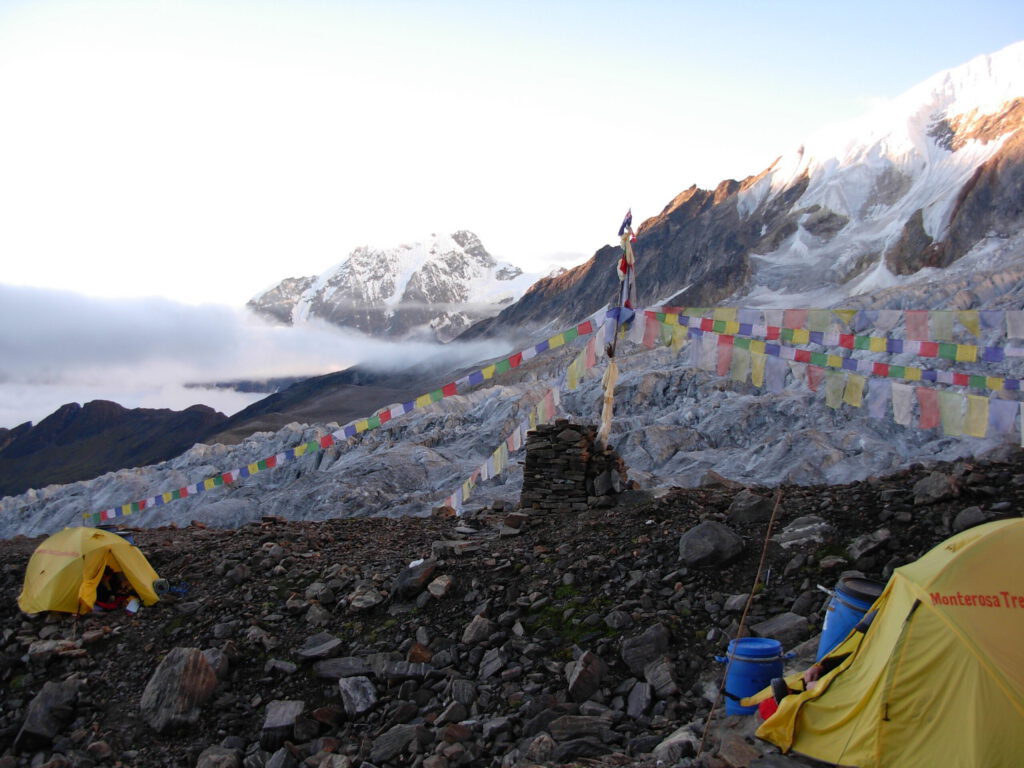
Should you opt for a camping trek, you will be accompanied by porters, a cook and other staff who will set up camp, prepare your food and drinking water and generally take care of you.
Camping treks tend to be in more remote areas, so again, check fully before booking this type of trek.
Communication
There is plenty of opportunity over dinner to connect with your guide for information on the following day’s route and landscape. Your guide will tell you how many hours you will have to hike for. It could be as little as 4 or as many as 8. Something else to look at while doing your pre-arrival homework.
On the subject of communications, most areas are now connected to both mobile networks and internet at teahouses.
Landscapes
Landscapes range widely, again depending on the trekking area you choose. Naturally, the majority of people come to see the high majestic Himalayas when trekking in Nepal.
However, there are equally as beautiful hills, valleys, pastures, rivers and villages to see on the way.
Interactions on the Trail
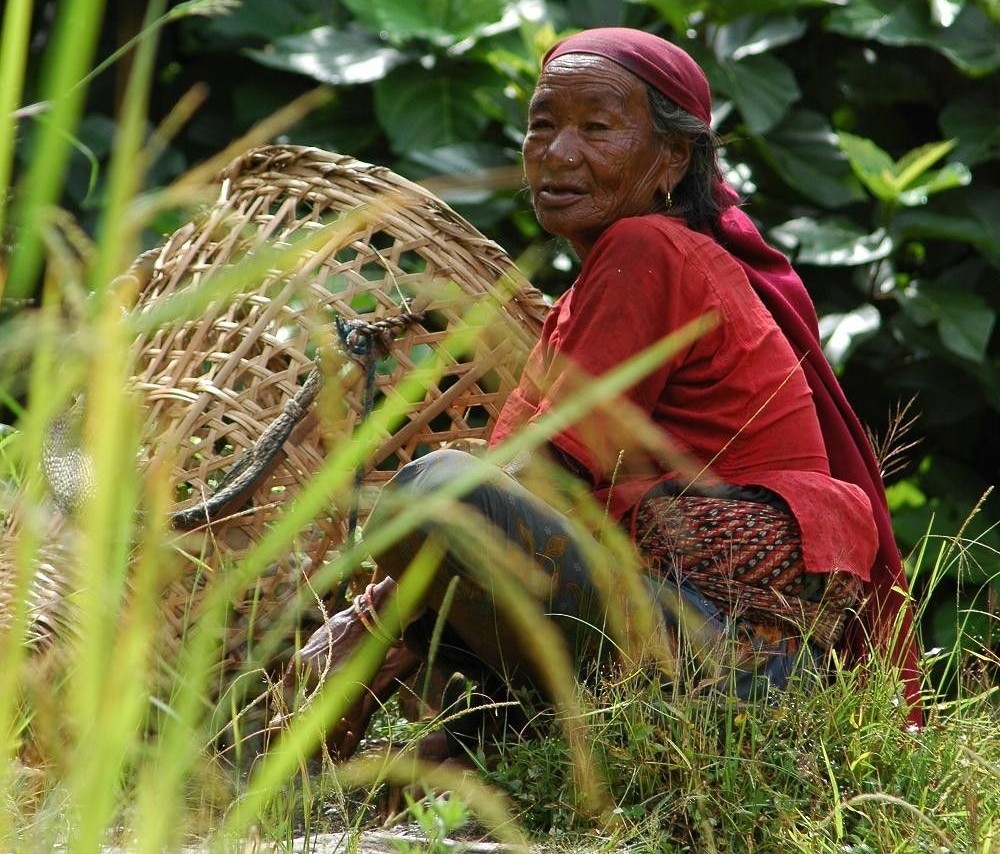
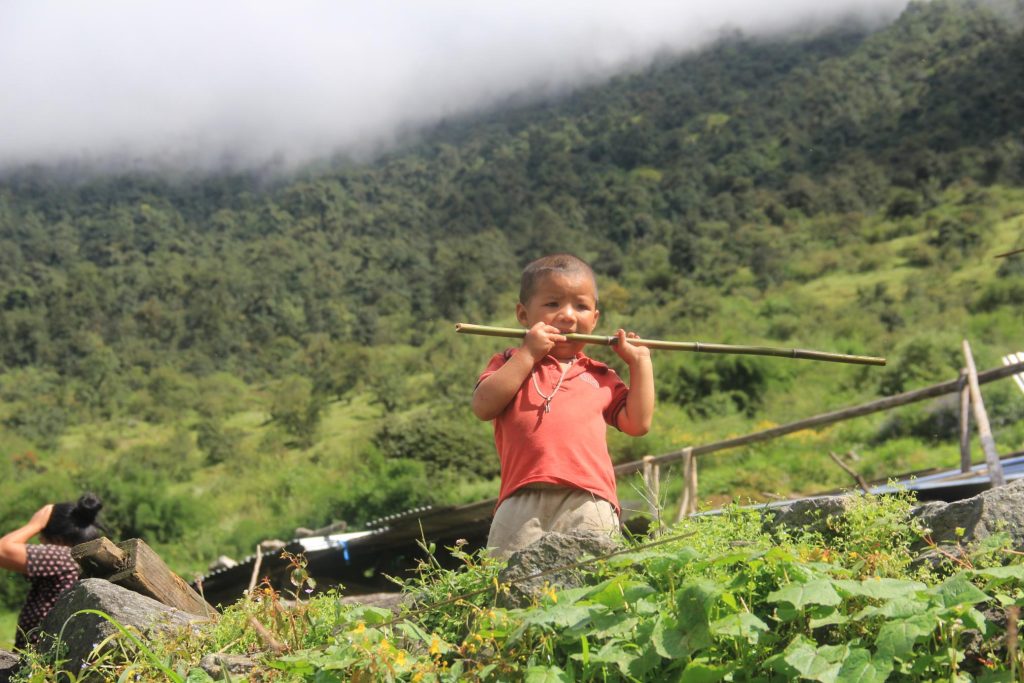
Interactions could take place with other trekkers over your evening dinner, a great time to connect and swap stories. Interactions can also take place with locals, who will always greet you with a warm smile. A lovely Namaste back is the correct way to greet locals. You will meet a lot of children on the trail. They may ask for money or sweets. Please do not give them anything. If you wish to donate to a local school, then talk to your guide. If you take photographs of children or adults, ask their permission, and always let them see the photograph before you move on.
People you’ll meet on the way to Annapurna Base Camp
This is a particular thrill for children and the elderly, in the more remote areas!
Being Prepared is the Key to a Successful and Enjoyable Trek!
To sum up, be prepared for any eventuality in the mountains in order not to be disappointed if the reality does not fit your prior expectations. Plan. Pack correctly. Prepare physically and mentally. Remember some areas are remote and lack facilities you would consider ‘basic’ at home. Perhaps no electricity. No hot water. No phone or internet connection. There may be unexpected delays. Trails can be re-routed due to rain or snow, and mountain passes can close due to storms. Based on our guests’ experiences, we know that trekking in Nepal will bring you something wonderful. Perhaps a different reality which turned out to be better than expectations!
And yes, there are days when the sky is blue, the mountains are shining, snow-white against the azure heavens, the birds are singing in the tall pines while the sun kisses your body with a warm glow!
The Pikey Peak trek is one of Nepal’s best short treks, offering stunning Himalayan views and rich cultural experiences without the heavy crowds of Everest Base Camp.
What makes this trek especially appealing is its balance. It’s short, relatively easy, and incredibly rewarding. You get wide panoramic views of the Himalayas, peaceful trails through forests and villages, and a chance to experience local Sherpa culture in a more relaxed setting.
It’s a great option for beginners, solo travelers, or anyone looking for a quieter alternative to the more popular trekking routes.
FrequentlyAsked Questions
1. How difficult is the trek?
The trek is considered easy to moderate, making it suitable for beginners. Expect to walk around 5–6 hours daily on mixed terrain. Trails include forest paths, stone steps, and gradual uphill sections. No technical climbing or special equipment is required.
While it’s manageable, some sections can feel tiring, especially near higher altitudes. A bit of preparation, like walking or light cardio, before your trip can make a big difference.
2. What is the maximum altitude?
The highest point is 4,065 meters at Pikey Peak summit. Offers panoramic views, including Mount Everest and the surrounding Himalayan ranges. The altitude is high enough to feel the mountain environment, but lower than on many other treks, making it more comfortable for first-timers.
3. How long does it take?
This trek typically takes 7 days in total. Includes travel, trekking days, summit hike, and return. This shorter duration makes it perfect for travelers who want a Himalayan experience without committing to a long itinerary.
4. Do I need prior trekking experience?
No prior trekking experience is required. It is suitable for first-time trekkers, whereas basic fitness and an active lifestyle are enough.
If you can walk for several hours a day and handle gentle uphill climbs, you’ll be able to enjoy this trek comfortably.
5. What kind of accommodation is available?
Stay in local tea houses along the route. Rooms are simple, usually twin-sharing, with shared bathrooms. Meals are freshly prepared, mostly local dishes like dal bhat, noodles, and soups. The experience is simple but authentic, giving you a closer look at local life and hospitality.
6. Is altitude sickness a concern?
Possible, but less common compared to higher treks. The gradual ascent helps your body adjust better; however, to be safe:
-Walk at a steady pace
-Drink plenty of water
-Inform your guide if you feel symptoms like a headache or dizziness
7. What is the best time to go?
Spring (March–May): Blooming rhododendron forests and pleasant weather
Autumn (September–November): Clear skies and the best mountain views
Both seasons offer stable weather and excellent visibility, making your trek more enjoyable.
Pikey Peak is perfect if you’re looking for a peaceful, scenic, and beginner-friendly Himalayan adventure. It offers everything: mountain views, culture, and a sense of accomplishment without the intensity of longer treks.
If you want a quieter trail with equally rewarding views, this trek is definitely worth considering!
Experience life on a Himalayan trek to discover a journey that will completely transform your perspective on travel and adventure. A Himalayan trek is more than just walking through mountains. It’s an experience that slowly reshapes your daily routine and the way you see the world. It’s not just about reaching a destination; it’s about the rhythm of life you step into along the way.
Once you leave Kathmandu behind, everything begins to feel different. The noise fades, the air feels fresher, and time seems to slow down. Your days become simple and intentional, waking up early with the first light, walking through quiet trails, stopping for tea breaks, and resting as the sun sets behind the mountains.
There’s something deeply calming about this routine that’s hard to find in everyday life.
As you walk through villages, you’ll notice how people live with very little, yet seem completely content. Stone houses, prayer flags fluttering in the wind, and locals going about their daily chores create a peaceful atmosphere. Children playing in open fields, elders sitting outside enjoying the sun, and farmers working the land- it all feels real, grounded, and untouched by the modern rush.
Tea houses become your home during the trek. These small, family-run lodges may be simple, but they carry a warmth that’s hard to describe. Rooms are basic, often with wooden beds and thick blankets, but after a long day of walking, they feel more than enough. Evenings are usually spent in a common dining area, gathered around a warm stove, sharing stories with fellow trekkers, and enjoying the quiet comfort of the mountains.
Food plays a big role in the experience. Meals are simple, fresh, and nourishing. A plate of rice, lentils, vegetables, and pickles becomes a staple, giving you the energy needed for long trekking days. There’s something special about eating a hot meal in the cold mountain air, knowing it’s been prepared with care using local ingredients. Even a cup of tea or hot soup feels comforting after hours on the trail.
One of the most beautiful aspects of trekking is the people you meet. Travelers from different parts of the world come together, forming quick friendships over shared experiences. Conversations flow easily, laughter comes naturally, and there’s a sense of connection that doesn’t need much explanation.
Of course, trekking also comes with its challenges. Cold mornings, basic facilities, and limited connectivity can feel unfamiliar at first. But over time, these small discomforts become part of the experience. You begin to appreciate the little things: the warmth of sunlight, the taste of a simple meal, the sound of the wind through the mountains.
By the end of the trek, you realize it was never just about the destination. It’s about the quiet moments, the people, the simplicity, and the way the mountains make you slow down and truly feel present.
At the end, you sense a deeper appreciation for a simpler and more meaningful way of living.
Following practical Himalayan trekking tips is the best way to ensure your mountain adventure remains safe, smooth, and genuinely unforgettable. Trekking in Nepal is a dream for many travelers, offering breathtaking mountain views, rich culture, and a sense of adventure that’s hard to match.
But the Himalayas are not just beautiful; they are powerful and unpredictable. Whether you’re heading toward Everest Base Camp or exploring quieter trails, preparation and awareness play a huge role in how enjoyable your journey will be.
One of the most common mistakes trekkers make is underestimating the altitude. As you climb higher, the oxygen level drops, and your body needs time to adjust. This is why rushing through the trek can lead to fatigue, discomfort, or even altitude sickness. Taking things slow might feel challenging at first, but it’s the safest and most rewarding way to experience the mountains.
Another important aspect is listening to your body. Small symptoms like headaches or dizziness shouldn’t be ignored. Paying attention early can prevent bigger problems later and ensure that your trek stays enjoyable.
Do’s
Take acclimatization days seriously Rest days are not optional; they help your body adjust to altitude and reduce the risk of sickness.
Stay well hydrated Drink at least 3–4 liters of water daily. Proper hydration helps your body function better at high altitude.
Dress in layers Weather in the mountains changes quickly, so layering allows you to stay comfortable throughout the day.
Follow your guide’s advice Guides understand the terrain and conditions better than anyone. Their instructions are there to keep you safe.
Respect local culture and environment Greet locals with a “Namaste,” follow monastery rules, and keep the trails clean.
Don’ts
Don’t rush the trek Walking too fast can lead to exhaustion and altitude-related issues. A steady pace is key.
Don’t ignore warning signs Headaches, nausea, or dizziness should be taken seriously—inform your guide immediately.
Don’t litter or harm nature The Himalayas are fragile. Carry your waste and leave no trace behind.
Don’t overpack A heavy backpack makes trekking unnecessarily difficult. Stick to essentials.
Don’t rely on Wi-Fi or luxury Connectivity and facilities are limited. Embrace the simplicity—it’s part of the experience.
At its core, trekking in the Himalayas is not about speed or competition. It’s about slowing down, respecting the environment, and fully experiencing the journey.
When you follow these simple do’s and don’ts, you not only make your trek safer but also far more enjoyable and memorable.
Embarking on the Everest Base Camp trek is the ultimate dream for adventurers looking to stand at the foot of the world’s tallest mountain. The journey to Everest Base Camp is often described as a once-in-a-lifetime adventure, and it truly lives up to that reputation. While reaching base camp at 5,364 meters is a major milestone, what makes this trek so special is everything you experience along the way.
From the moment you start the trail, the scenery begins to change. You’ll cross suspension bridges hanging over rushing rivers, walk through pine forests, and pass through traditional Sherpa villages that feel untouched by time. Each day brings something new, which keeps the journey exciting and rewarding.
One of the most memorable stops is Namche Bazaar. This lively mountain town is not just an acclimatization stop; it’s a place where trekkers relax, recharge, and enjoy a bit of comfort in the middle of the Himalayas. Sitting in a cozy café with a warm drink while looking out at the mountains is an experience in itself.
Everest Base Camp Trek
As you move higher, you’ll often come across yak caravans slowly making their way along narrow trails. These animals are essential for transporting supplies in the region and have become an iconic part of the trekking experience. Watching them pass by, with bells gently ringing, adds a unique rhythm to the journey.
What You’ll Experience Along the Way
High-altitude achievement:
Reaching 5,364 meters is not easy. The air gets thinner, and every step requires effort, but that’s what makes the achievement so meaningful.
Namche Bazaar experience:
A vibrant mountain hub where you can find cafes, bakeries, and incredible views of the surrounding peaks.
Yak caravans on the trail:
A common and fascinating sight that reflects the traditional way of life in the Himalayas. Yak caravans are the lifeline of the Himalayas as they help to transport goods, food, and expedition gear across high altitudes.
Seasonal beauty:
In spring, the trails are filled with blooming rhododendrons, while autumn offers clear skies and stunning visibility, making your trek even more beautiful.
Tea house culture:
Simple lodges provide warm meals, basic comfort, and a chance to connect with fellow trekkers from around the world. The simplicity of these accommodations lets you understand a simple life in the Himalayas.
Sunrise & sunset views:
Watching the Himalayas glow in shades of gold, pink, and orange is something you’ll never forget.
Even though the trek is physically demanding, it doesn’t require any technical climbing skills. With proper acclimatization, a steady pace, and a positive mindset, it is achievable for most people with a reasonable level of fitness.
What makes this journey truly unforgettable is not just reaching the destination, but the combination of landscapes, culture, and personal achievement.
By the time you return, you won’t just have photos; you’ll have stories, memories, and a deep sense of accomplishment that stays with you long after the trek ends.
This comprehensive packing guide for Langtang Trek ensures you have everything needed for a safe, comfortable adventure in the Himalayas. Trekking through Langtang National Park is one of the most rewarding experiences in Nepal. With peaceful trails, traditional Tamang villages, and stunning mountain views, it offers a perfect mix of nature and culture. But to truly enjoy the journey, packing smart is essential.
Unlike city travel, trekking in Langtangmeans preparing for changing weather conditions. As you go higher, temperatures can drop quickly, and mornings and evenings tend to be much colder than during the day. This is why layering becomes your best friend; it allows you to adapt without carrying unnecessary weight.
What to Pack for Langtang Trek
Clothing (Layering System)
Moisture-wicking base layers to keep you dry
Insulating mid-layer (fleece or lightweight down jacket)
Waterproof and windproof outer jacket
Trekking pants and thermal wear for colder nights
Warm beanie, gloves, and a sun hat
Footwear
Well-broken-in trekking boots with good grip
Comfortable sandals or camp shoes for evenings
Essentials & Gear
Small daypack (25–35L)
Reusable water bottle or hydration system
Headlamp with extra batteries
Snacks like energy bars, nuts, and chocolates
Personal Items
Sunscreen, lip balm, and UV-protection sunglasses
Toiletries and a quick-dry towel
Basic first aid kit and personal medications
Documents & Extras
Passport and copies
Travel insurance (highly recommended)
Cash in Nepali rupees
Power bank and camera
You can easily rent sleeping bags and down jackets in Kathmandu if you don’t want to invest in new gear.
A simple rule to remember: pack light but pack right. When your bag feels manageable, every step becomes easier, and you’ll have more energy to enjoy the breathtaking landscapes around you.
6 of the best ways to see the world’s highest mountain
Discovering the ultimate ways to experience Everest in Nepal gives you the unique opportunity to stand face-to-face with the crown jewel of the Himalayas. With more than half of the world’s 8000m+ mountains sitting within the borders of Nepal, there’s nowhere better to go if you’re looking for a high-altitude adventure! For many travellers, however, there’s one particular mountain that’s simply a must-see.
At 8,848m above sea level, Mount Everest is the highest point on Earth. Reaching the peak on foot is a serious mountaineering challenge that requires skill, bravery, training, and local expertise, but the good news is that there are plenty more ways that you can tick Mount Everest off your travel bucket list!
Here, we take a look at some of our favourite ways that you can get your once-in-a-lifetime Everest experience.
1. Everest Base Camp Trek
The most popular multi-day trek in Nepal takes you through the stunning Khumbu region, where you’ll experience the unique landscapes and culture of the Himalayas firsthand. Beginning with a flight from Kathmandu to Lukla, the route passes small mountain communities and ancient religious sites, and you’ll also enjoy a night in the vibrant capital of the Sherpas—Namche Bazaar.
The highlight of the trek is, of course, Everest Base Camp, where excited mountaineers prepare to ascend to the peak. Even without climbing to the top, the view from base camp is one of the world’s most spectacular and a wonderful reward after your epic trek. The EBC trek is actually surprisingly accessible. Sure, you’ll be on your feet for long stretches, and you’ll need a reasonable level of fitness, but you don’t need to be a superhero or have previous trekking experience to take on this famous route. The trails are very well maintained, and you can rest and recharge each night in cosy teahouse accommodation too.
Enquire now or check out the full trip with our partners at Royal Mountain Travel.
2. Pikey Peak Trek
If you’re looking for an easier trekking experience, then this shorter route through the Everest foothills is a great choice. Reaching a maximum altitude of 4,065m, staying in teahouse accommodation, and passing through several fascinating Himalayan communities, it’s the perfect way to trek this region of Nepal in a more relaxed way. You’ll also enjoy some of the best views of Everest and other giant mountains without the high altitudes, long trekking days, and tough climbs.
3. Gokyo Trek
Another alternative offering amazing Everest views, the big selling point of the Gokyo Trek is the lack of crowds and the feeling of being truly away from it all. It’s comparable to the EBC trek in terms of difficulty, reaching 5,400m and remaining at a relatively high altitude for several days, and some of the views here are every bit as spectacular. You can also visit the stunning Gokyo Lake—one of the most beautiful spots in the Himalayas.
4. Everest Flight
Every morning, assuming the weather is clear, flights depart from Kathmandu’s domestic airport that take you into the Himalayas for an amazing view of Everest from above. Prices are affordable, window seats are guaranteed, and you’ll be back in the city in time for lunch!
For a closer look at Everest from the air, you can’t beat an exclusive helicopter tour. These flights depart from Kathmandu and touch down in Lukla, from where you’ll take an epic journey that takes you as close as 5 nautical miles to the mountain itself. You’ll also see Everest Base Camp, Mount Lhotse, the Khumbu Glacier, and land at Kalapatthar (5,643m), where you’ll set foot on the mountains themselves. You’ll then enjoy breakfast at the stunning Everest View Hotel before beginning your journey back to Kathmandu.
6. Distant Views from Nagarkot and Chandragiri
Nagarkot
If you’d rather stay closer to the ground and don’t have time for a full trek, then there are a couple of options close to Kathmandu where you might catch a distant glimpse of Everest on a clear day. Nagarkot is an incredibly charming hilltop village around 30km east of the capital, and with some great short hikes nearby, it makes for a wonderful day trip or overnight stay.
Southwest of Kathmandu, near Thankot, the 2.5km Chandragiri Cable Car takes you to a picturesque hill station just above 2,500m. The views on the way and at the top are truly spectacular, offering a panorama that stretches from the Annapurna region in the east towards Everest in the west.
Bear in mind that seeing Everest is not guaranteed with either of these options, but they are both unforgettable trips even if you don’t spot the world’s highest mountain.
If you’d like to discuss the right option for you with a real local expert and get help planning and booking your perfect Everest adventure, feel free to get in touch with our friendly team!
Things to know and places to go for a more moderate Nepal trekking experience
Finding the right Nepal treks for beginners and families opens up the magic of the Himalayas to hikers of all ages and fitness levels. If you love the idea of trekking in the Himalayas but you’re not sure where to start, read on!
Trekking in Nepal isn’t all about high-altitude mountain passes or 3-week expeditions, so if you’re looking for something a little gentler to get you started, then there are plenty of options to look at. Nepal has a huge range of trekking regions and routes, each presenting a different challenge. What never changes is those Himalayan views and that glorious feeling you get from escaping the everyday.
In this guide, we’ll be looking at what to expect on a trek in Nepal, what level of fitness you need, and some of the easier treks you might want to consider if this is your first trekking adventure, if you’re trekking with kids, or if you just fancy something a little more leisurely this time around.
These kinds of treks are ideal for families, too, depending on the age of your kids. We know that the fascination with new landscapes and cultures only lasts a certain time, especially if your child or teenager is walking up a mountain!
What to expect when trekking in Nepal
First things first, trekking is never easy, especially in a landscape like the Himalayas, where it’s anything but flat. Slopes will need to be climbed and descended, and even the easier treks may have days where you’re walking for 4 or 5 hours.
Depending on the season, it can also get hot, cold, or rainy, and the weather can switch with barely any warning. Of course, if you come at the right time of year, then you can improve your chances of good weather immeasurably, but nothing is ever guaranteed in the mountains!
You’ll also need to deal with a different level of comfort than you’d expect on a typical holiday, whether that be in a local teahouse, a homestay, or even a tent. And you won’t have much choice when it comes to dinner either.
But that’s only one way of looking at it. The food (usually a classic Dal Bat at most teahouses and homestays) is delicious, hearty, and everything you need after a trek. And there’s no comfier bed in the world than whatever mattress or camping mat you end up on after a full day walking through the mountains. Trekking in the Himalayas for a few days changes your perspective on what you actually need and makes you appreciate the simple things like never before.
Personal hygiene
Other priorities from your daily life gradually take a back seat and become an inconvenience, like showering. Don’t worry, there are showers available at almost all homestays, teahouses, and lodges. Some are better than others, of course, but you can usually have an OK shower most days if you want to. But it’s a bit of a hassle; you’ll have to put most of the same clothes back on anyway, and wouldn’t your time be better spent enjoying a drink and staring out across the mountains?
The truth is that most trekkers very quickly stop caring what their face, hair, or anything else looks like. And unless you’re starting to actually smell, often a quick wet-wipe “shower” seems the best option. It’s kind of liberating, but probably not a habit you should take back home with you!
*PLEASE use the biodegradable type of wet wipes; the normal ones do all sorts of damage to the environment.
What to wear for trekking
It’s nice to set out on a trek looking good, but that’s now a secondary consideration. Can you feel your sock seams on your toes? Change the socks. Can you feel the logo on your t-shirt over your nipple? Leave that shirt at home. Do the boots feel a little tight? Invest in some new ones. These minuscule annoyances can be vastly amplified after a few days of walking and can end up putting a real downer on your experience.
Most people agree that those zip-off quick-dry trousers with 10,000 different pockets should not be worn to weddings, parties, and any other type of social occasion, but in the Himalayas, they’re the best possible choice.
The point is, think practically! Think about it, suddenly getting a bit cold, then 10 minutes later the sun is beating down on you, then there’s a heavy rain shower, then the weather is just perfect, then it rains again, and gets cold…..
You need to be prepared and to make it easy to switch outfits whenever you need to. But you also need to pack light. The secret is layers – thermal ones, lightweight ones, woollen ones, waterproof ones – that are compact enough to carry in your day bag.
A good trekking team is essential, especially on longer treks or if it’s your first time. You’re going to want a qualified guide who’s super-familiar with the route you’re taking and knows how to deal with the challenges the Himalayas throw up. Professional guides are used to leading groups and individuals of all abilities, and they can spot very quickly if someone’s struggling with tiredness or altitude sickness. They’ve seen it before, and they know what to do about it.
They can also tell you things like which mountains you’re looking at and make excellent translators, too! Almost all qualified guides in Nepal speak good English and sometimes French, German, and other languages too.
On the majority of multi-day treks in Nepal, porters will be included to carry things like food supplies and camping equipment for the group. Additional porters are sometimes included or are available to hire for an extra fee (and usually quite a small one by Western standards). They’ll generally carry your bulkier items like sleeping bags, evening clothes, or anything else you don’t need while you’re walking. Porters are often younger men from the area you’re visiting, and they may be keen to become guides themselves one day.
The recommended maximum weight is 15kg per porter, which is already quite a lot, and heavier loads risk serious injury. Your trek operator will give you more specific advice before you set off, but as a rule of thumb, one porter between two trekkers is more than enough. You can empty one of your large backpacks and share the space.
These guys do a tough job for not much money, so tips are appreciated. To read about how to treat porters, wildlife, and the environment responsibly in Nepal, click here.
Nepal trekking accommodation
Although camping is common in Nepal, most of the more accessible treks give you a proper roof over your head every night. This will often come in the form of teahouse accommodation. Teahouses are remote lodges that have sprung up along trails specifically for trekkers. You’ll usually have a small, basic, twin-share room (although sometimes more) and can get a nice hot meal and a warm place to watch the sun go down.
Alternatively, community homestays mean you’ll sleep in a village along the route, hosted by a local family. It’s an experience we highly recommend as it gives you an insight into life in the mountains and a chance to connect with the people who live there. You’ll get a home-cooked meal, a friendly welcome, and a spare room in somebody’s home for the night (usually with its own separate entrance and keys).
The dining area at Nagarkot Community Homestay.
So then, what trek should I do?
We spoke to our partners at Royal Mountain Travel in Kathmandu about the best treks in Nepal for beginners and families with kids of different ages. Age limits aren’t set in stone, but they provide a useful guideline. You know your kids best, and ultimately it’s your decision. We’d recommend checking in with your doctor before you set off on a trek for the first time, and this is pretty much essential to do if you’re taking your kids along.
Easier Nepal Treks for Beginners or Older Kids
You don’t have to be a first-timer or a teenager to enjoy these treks, but slightly shorter walks, slightly simpler terrain, and more moderate altitudes make these ideal for anyone wanting a less daunting challenge.
Annapurna Foothills Trek(4 day/3 night) Wonderful views, local villages, and a maximum altitude of 2000 m View trek (external link)
Annapurna Community Trek (5 day/4 night) A beautiful shorter route in the Annapurna Range, mainly staying in Community Homestays. Max 3300m altitude View trek (external link)
Ghorepani Poon Hill Trek (5 day/4 night) Follow ancient trails through forests and villages, and get one of the finest views in the Annapurna region. Tea house trek, max altitude 3210m. View trek (external link)
Pikey Peak Trek (7 day/6 night) A great way to see Everest close-up and explore the stunning foothills and communities. Simple homestay accommodation, max altitude 4065m. View trek (external link)
Langtang Gosaikunda Trek (12 days/11 nights) An epic but manageable trek into one of Nepal’s most stunning valleys and the lakes of Gosaikunda. Tea house trek, max altitude 4400m View trek (external link)
A great trek for younger kids
Kathmandu Valley Rim Hike (5 day/4 night) Easy travel, low altitudes, views of famous mountains, and great insight into local life in the valley. Homestay accommodation is suitable for kids aged 6+. Max altitude 2800m. View trek (external link)
A perfect Nepal holiday package for families
Central Nepal with Family (13 days/ 12 nights) A great mix of cities, culture, and wildlife, with a little trekking in there too. Basically, everything you could want for a holiday with kids in Nepal! View tour (external link)
Want to talk to an expert?
For many people, a holiday to Nepal is a once-in-a-lifetime thing, so you want to get it just right.
You can spend hours, days even, trawling through articles to try and decide where to go and what to do in Nepal. Or you can make your life a bit easier and talk to an expert (and one that has access to good local rates too!).
Just send us a message, and we’ll put you in touch with a local, English-speaking Travel Expert who’ll make planning your Nepal holiday a breeze!
There are just 14 mountains above 8,000m on our planet, and 8 of them are on or within Nepal’s borders. Each of these giants has its own story, with legends dating back centuries. It’s no wonder that Nepal is the world’s mountaineering capital, drawing in explorers from across the globe.
We look at the top 10 highest mountains in Nepal, together with their statistics, dangers, and stories.
Highest Nepal Mountains
10. Annapurna 2
Nepal ranking: 10th
World ranking: 16th
Elevation: 7,937 m (26,040 ft)
Prominence (height compared to immediate landscape): 2,437 m (7,995 ft)
The northeast wall of Annapurna II (cr. Markus Beudert)
The 2nd-highest peak of the Annapurna Range is notable for the skull-like image on its northeast face, which seems fitting considering the danger it presents for climbers. Avalanches, rock slides, ice overhangs, and violent storms are commonplace, meaning expeditions here are comparatively rare.
You can see spectacular views of Annapurna II, along with Annapurna I, Machhapuchhare, and several other famous peaks as part of the Annapurna Circuit Trek.
9. Gyachung Kang
Nepal ranking: 9th
World ranking: 15th
Elevation: 7,952 m (26,089 ft)
Prominence (height compared to immediate landscape): 700 m (2,300 ft)
Gyachung Kang (cr. Miguel Amaral)
Coming in just shy of the 8,000m mark and without the dramatic prominence that makes peaks like Everest so awe-inspiring, Gyachung Kang is a relative unknown internationally. It’s still a fearsome challenge for mountaineers, though, forming part of the Mahalangur Himal region that is home to both Everest and Cho Oyu, and straddling the border between Nepal and Tibet.
8. Annapurna 1
Nepal ranking: 8th
World ranking: 10th
Elevation: 8,091 m (26,545 ft)
Prominence (height compared to immediate landscape): 2,984 m (9,790 ft)
Annapurna Peak (cr. Raimond Klavins)
With a climbing fatality rate of 32% up until 2012, Annapurna has become one of the most feared peaks in the world. In recent years, this has improved to around 20%, but it’s still not for the faint-hearted.
Maurice Herzog made Annapurna the first eight-thousander to be successfully scaled in 1950, and since then, a further 364 people have made it to the summit. 72 people have died trying, making Annapurna one of the world’s most deadly mountains statistically. The routes up are highly prone to avalanches and unpredictable storms and contain some of the steepest and most challenging climbing sections you’ll find anywhere on earth. Sitting in the Annapurna Range, to which it gives its name, most visitors choose to admire it from afar and enjoy the beautiful landscapes surrounding it.
You can get up close and personal with Annapurna by taking on the Annapurna Base Camp trek with Royal Mountain Travel.
7. Manaslu
Nepal ranking: 7th
World ranking: 8th
Elevation: 8,163 m (26,781 ft)
Prominence (height compared to immediate landscape): 3,092 m (10,144 ft)
Mount Manaslu (c/o Royal Mountain Travel)
Arguably one of the most beautiful mountains in Nepal, Manaslu’s jagged peak soars above the skyline in the Gorkha District of the northern Himalayas. It’s surrounded by one of Nepal’s most popular trekking regions, made up of sub-tropical foothills and arid high pastures around the Tibetan border – the Manaslu Circuit Trek in particular draws a steady stream of trekkers throughout the high season. For mountaineers, an enticing but dangerous challenge awaits, with a fatality rate of almost 18%.
6. Dhaulagiri
Nepal ranking: 6th
World ranking: 7th
Elevation: 8,167 m (26,795 ft)
Prominence (height compared to immediate landscape): 3,357 m (11,014 ft)
Distant view of Dhaulagiri (cr. K. Rahul)
Sitting 34km east of Annapurna I, Dhaulagiri is the highest mountain you’ll find contained entirely within Nepal, with most others sitting on the border with Tibet. Its name originates from Sanskrit, translating as “beautiful white mountain”, and until the 1800’s it was thought to be the world’s highest mountain. There have been some notable disasters on the mountain since it was first scaled in 1960, with 70 climbers losing their lives and a fatality rate of around 16.2%.
5. Cho Oyu
Nepal ranking: 5th
World ranking: 6th
Elevation: 8,188 m (26,864 ft)
Prominence (height compared to immediate landscape): 2,340 m (7,680 ft)
Cho Oyu (cr. Sami Abusamra)
Lying just 20km west of Mount Everest, Cho Oyu (meaning Turquoise Goddess in Tibetan) forms part of the Mahalangur Himalaya and lies close to Nangpa La pass – an ancient glaciated trading route used by Tibetans and Sherpas. This pass makes the mountain one of the most accessible eight-thousanders for climbers, and is often used as a starting point for people looking to get into high-altitude mountaineering. Its fatality rate of 1.4% is the lowest among the world’s 14 8,000m mountains.
4. Makalu
Nepal ranking: 4th
World ranking: 5th
Elevation: 8,463 m (27,766 ft)
Prominence (height compared to immediate landscape): 2,386 m (7,828 ft)
Mount Makalu (cr. Bisesh Gurung)
19km southeast of Everest, Makalu is a striking, isolated peak with a very classical four-sided pyramid shape. In years gone by (and occasionally in modern times), it was believed to be the stomping ground of the mythical Yeti. For climbers, it is one of the most technically difficult mountains to conquer out of all the eight-thousanders, with steep faces, razor-thin ridges, and a final ascent that requires rock and ice climbing. The fatality rate for the mountain is around 9%.
3. Lhotse
Nepal ranking: 3rd
World ranking: 4th
Elevation: 8,516 m (27,940 ft)
Prominence (height compared to immediate landscape): 610 m (2,000 ft)
Lhotse (cr. Alan Hopin)
Forming part of the Everest massif, Lhotse translates from Tibetan as ‘South Peak’ and is joined by a ridge (South Col) to the world’s highest mountain. Climbers often use the same approach for both mountains, and they are regarded as similarly difficult peaks to summit, at least on the common routes. Lhotse’s steep South Face is an exception, thought to be one of the hardest climbs in the world and tackled by only a handful of people. The mountain has 4 distinct peaks and a relatively low prominence due to the height of South Col.
You can see the might of Lhotse, Makalu, Cho Oyu, and Everest from the comfort of a helicopter tour throughout most of the year.
2. Kanchenjunga
Nepal ranking: 2nd
World ranking: 3rd
Elevation: 8,586 m (28,169 ft)
Prominence (height compared to immediate landscape): 3,922 m (12,867 ft)
Kanchenjunga (cr. Labun Hang Limboo)
In the far east of Nepal, Kanchenjunga lies on the border with India, and its transboundary landscape stretches into Bhutan and China. It was thought to be the world’s highest mountain until 1852 and consists of 5 peaks, with 4 over 8,000m. Its name translates as ‘The five treasures of high snow’ and local legend suggests that the mountain holds precious treasures, including gold and invincible armour.
Climbing-wise, it’s incredibly tough, with a fatality rate of around 20%, making it one of the world’s deadliest mountains.
For something a little less extreme, the Kanchenjunga Base Camps Trek takes you as close as you can get to the mountain without climbing.
1. Mount Everest
Nepal ranking: 1st
World ranking: 1st
Elevation : 8,848.86 m (29,031.7 ft)
Prominence (height compared to immediate landscape): 8,848.86 m (29,031.7 ft)*
*Prominence is calculated using the nearest higher peak for measurement. For Everest, there is nothing higher, of course.
View of Mount Everest (cr. Tashi Dai)
In 1852, Everest (or Sagarmatha in Tibetan) was officially recognised as the world’s highest mountain and has fascinated adventurers ever since. Tenzing Norgay and Edmund Hillary made the first ascent in 1953, and since then, there have been over 9,000 successful summit climbs (with around 300 fatalities). In recent years, the problem of overtourism on the mountain has entered the public eye, highlighted by a famous photo posted by Nirmal Purja in 2019, which shows a huge queue waiting to reach the peak.
The appeal of the mountain is obvious, both in terms of the achievement it offers and its sheer beauty and size.
You can experience the famous journey to the mountain as part of the Everest Base Camp Trek, operated by our partners at Royal Mountain Travel.
Is Everest really the highest mountain in the world?
There is some debate over the world’s highest mountain title, with Mount Chimborazo in Ecuador also staking a claim. The reason is the Equatorial Bulge – Earth is not a perfect sphere, and bulges around the equator, where Chimborazo lies. This makes Chimborazo the furthest you can get from the centre of the Earth and the closest land point to the moon (depending on the time of day, of course).
However, Everest is the highest point above sea level, some 2,500m higher than Chimborazo. This puts it comfortably on top of the list, geographically speaking. Everest also looks a lot bigger, if that matters…
Mount Chimborazo in Ecuador (cr. Joris Beugels)
There they are, the top 10 peaks in the land of mountains. If you’re keen to see some of these giants in real life, you can get in touch with the Travel Nepal team for advice, planning help, and direct bookings with our local partners.
Exploring the remote and enigmatic Manaslu Tsum Valley
The Manaslu Tsum Valley Trek is one of Nepal’s most unique and authentic experiences, visiting a beautiful Himalayan region barely discovered by the outside world. It’s available as a 22-day fixed-departure tour just a few times a year with Royal Mountain Travel.
Isolated, spectacular, and virtually untouched, the Manaslu Tsum Valley in Nepal’s northern Himalayas is one of the country’s most fascinating destinations. Until as recently as 2008, travel to this hidden region in the mountains remained restricted, and few outsiders had ever seen its wild landscapes or experienced its ancient culture and way of life.
Situated in the Gorkha district (often referred to generally as Manaslu), a mountainous region north of Kathmandu, the valley lies on the Tibetan border and is home to around 4,000 people of Tibetan descent, known as the Tsumbas. Much like Tibet itself, years of relative isolation from the modern world have preserved Tsumba culture almost perfectly, making it a strikingly different experience for any foreigners (or even Nepalis) lucky enough to visit.
Here, the familiar Nepali greeting of “Namaste” is rarely heard. “Tashi delek” is the local phrase used to welcome people, and in fact, the entire dialect here is unique and virtually unchanged from centuries ago. The same can be said for almost everything here, with traditions, religion, art, and cuisine all carrying a distinctive Tsumba flavour. Spirituality is hugely important in this part of Nepal, where traditional Tibetan Buddhism runs deep in the community and prayer flags with messages of peace flutter in the wind. Visitors invariably speak of the warm, genuine hospitality of the Manaslu people as one of the highlights of their time here.
Green fields and terraces in Manaslu Tsum Valley
The valley is circled by several famous peaks, including Ganesh Himal and the unmistakable Mount Manaslu – the 8th highest in the world at 8,163 metres and one of mountaineering’s most formidable challenges. Down on the valley floor, you’ll find a dramatic and beautiful mix of green hills and terraces, barren tundra, gushing rivers, waterfalls, and deep forested gorges. It’s the kind of untouched landscape that most of us have only seen in films (usually the ones with dragons in them…).
A monastery with a mountain backdrop, Manaslu Region
Most travellers looking for an epic trek in Nepal choose one of the headline acts, such as Everest Base Camp or the Annapurna Circuit, but alternative routes are becoming more popular, and the Gorkha District offers everything to satisfy adventurous trekkers who want something different and want to avoid the crowds of the main trails.
The classic Manaslu Circuit and now the Manaslu Tsum Valley Trek pass through otherworldly landscapes and provide stunning views of the Himalayan peaks, along with challenging mountain passes and welcoming local communities to encounter along the way. The region also lies at a slightly lower altitude compared to other trekking regions and can be reached from Kathmandu by road, making it an appealing option for practical reasons, too.
Tsum Valley forest trailMount Manaslu
The Manaslu Tsum Valley Trek is a 19-day route starting in the close-knit community of Barpak, gradually rebuilt after the 2015 earthquake and is home to many ex-Gorkha soldiers. It’s a friendly place to spend your first night in the region. The first goal is to reach Mu Gompa – a remote Buddhist monastery surrounded by jaw-dropping mountain scenery at the highest point of the valley. It takes 7 days of trekking to reach the Gompa, winding through rhododendron and pine forests, crossing suspension bridges over deep ravines, and serving up views of Ganesh Himal and Buddha Himal along the way. You’ll also visit tiny traditional villages and sacred caves, including Piren Phu (pigeon cave), where Buddhist murals and scripts are carved into the rock face.
A ‘gompa’ on the Manaslu Tsum Valley Trek
From Mu Gompa, you’ll retrace your steps south before heading west on the route that encircles the giant peaks of Manaslu, Nagadichuli, and Himalchuli. The trail crosses the Budhi Gandaki River multiple times and passes by the Larkya Glacier as it ascends to the highest point of the trek – the often snow-covered Larkya La Pass at 5165m. From here, you begin to descend as you head south, and the Annapurna Range gradually comes into view. After a few days, you’ll reach the lively trekking town of Chamje – the perfect spot to spend a final night in the mountains, recounting stories of your adventure.
Larkya La Pass, the highest point of the trekManaslu Tsum Valley Trek – route map
Accommodation on the Manaslu Tsum Valley Trek
Camping is possible here, of course, but the route of this trek allows you to spend every night in the relative warmth and comfort of a tea house or homestay. These vary from functional mountain lodges to community-run village accommodation, and generally provide a simple bed in a shared room, a warm home-cooked meal, and any other basic supplies you might need for your journey.
For us, where you sleep is one of the true highlights of the trek, giving you unforgettably remote nights in the mountains or the chance to spend some time with local people who have a completely different outlook and lifestyle to your own. It’s in these communities, with their proud traditions and peaceful way of life, where you’ll find connections and experiences that will stay with you long after you’ve returned home.
Difficulty and altitude of the Manaslu Tsum Valley Trek
Manaslu Tsum Valley Trek is rated as moderately difficult, meaning it’s not for the faint-hearted but should be achievable if you have a decent level of fitness. Aside from a short section over the fringes of the glacier, you’ll largely be following a maintained path, so normal hiking boots will suffice (check our packing list for tips on what else to bring).
Although most of the region sits at a relatively low altitude by Himalayan standards, you will be ascending above 5000m at Larkya La Pass. At these heights, altitude sickness is a possibility, and you should take precautions and be aware of the symptoms (check our medical advice and altitude sickness page for advice). All guides here are experienced in dealing with altitude sickness, so be sure to let them know as soon as something doesn’t feel right.
A lone yak near Mount Manaslu
Manaslu Tsum Valley Trek permits and how to get there
To reach the starting point at Barpak, you’ll need to travel north for a few hours from Kathmandu. Cheap public bus options are available, but can be slow, and some require you to change vehicles. If you book a tour such as the fixed-departure one in this article, private transport is included for your group. The route can be winding and bumpy, but the views more than compensate for any lack of comfort.
Being in such an unexplored and previously restricted area of Nepal, the Manaslu Tsum Valley Trek needs to be arranged professionally. Permits are mandatory for both the Manaslu region and the Tsum Valley.
Manaslu Conservation Area fees NRs3000 (approx. $25)
Manaslu Circuit Trek September – November USD 100 per person/week USD 15 per person/day (beyond 1 week) December – August USD 75 per person/week USD 10 per person/day (beyond 1 week)
Tsum Valley Trek September – November USD 40 per person/week USD 7 per person/day (beyond 1 week) December – August USD 30 per person/week USD 7 per person/day (beyond 1 week)
NOTE: Tour Operator Service Charge will be applicable to the above rates. For more information, check our Nepal permits page.
Booking the Manaslu Tsum Valley Trek
With a minimum of two people, you can book the Manaslu Tsum Valley Trek as a private tour. No solo or independent trekking is allowed, and you must be accompanied by a Special Trekking Guide. The infrastructure and phone signal here are very limited, so expert guidance is essential to keep trekkers safe.
Our partners at Royal Mountain Travel can arrange everything as a fully private tour, and also run a fixed-departure group tour four times per year. This allows the cost per person to be reduced and offers the opportunity to share your experience with like-minded adventurers.
2022 Departure dates
17th April 2022
18th September 2022
16th October 2022
13th November 2022
US$1690 per person, 22-day tour including transport, excursions, and 3 nights in Kathmandu.
For full details and a day-by-day breakdown, head to the Royal Mountain Travel tour page.
You can contact us for questions or enquire directly with the Royal Mountain team.
Looking for the lowdown on the classic Manaslu Circuit? This article tells you everything.