Tips on travelling responsibly and sustainably in Nepal Learning how to be a responsible tourist is the best way to ensure your travels support local communities and protect the environment. We believe that most travellers are inherently good people who want to help and not harm the country they visit, so we want to make
Tips on travelling responsibly and sustainably in Nepal

Learning how to be a responsible tourist is the best way to ensure your travels support local communities and protect the environment. We believe that most travellers are inherently good people who want to help and not harm the country they visit, so we want to make it easy for you to travel through Nepal whilst making a positive impact.

Here are some guidelines and things to watch out for on your travels;
Pollution and Waste
Try to avoid single-use plastics where possible. Say no to plastic straws, and choose to drink from a can rather than a plastic bottle.
Consider investing in a refillable bottle and water filter before you travel. Plastic water bottles are one of the biggest problems facing our environment.
If you can, take your litter back to Kathmandu. Litter is often buried or burnt in rural areas.
Eat like the locals! Fresh fruit and street snacks are widely available and usually plastic-free, and eating local ingredients is simply better for the planet.
Finish your food! Aside from potentially offending your Nepali hosts, not finishing your meal takes its toll on a world with limited resources. Don’t order more than you can eat.
Try to bring eco-friendly toiletries with you.
People
Respect the Nepali culture – some things are different from what you’re used to at home, and seemingly innocent actions can cause offence. Read our Language, Religion, and Culture page for more info.
If you’d like a picture, please ask first!
Kind-hearted tourists often give money or presents to beggars, and whilst it may bring a little short-term happiness, it fuels a culture of dependence and dishonesty. If you would like to help, please contribute to a specialist charity that can make sure your money reaches the people most in need.
Haggling is part of Nepali culture and can be good fun, but don’t keep driving the price down just for the sake of ‘winning’. The amount you’re haggling over may be small change to you, but it’s important income for the seller. Settle on an amount that seems fair to both parties.
Porters
Book with a reputable tour company who treat their porters with respect and offers them fair pay, decent equipment, and health benefits. The trekking industry has a long history of overworking and underpaying these people. Ask the company for their Porter Policy before you book.
If you feel like your porter is overloaded or has inadequate clothing and footwear, you should raise it with your tour leader or the company you’ve booked with and demand that action be taken.
Don’t ask your porter to carry extra things, even if you’re willing to pay them for it. The recommended maximum weight is 15kg per porter, which is already quite a lot, and heavier loads risk serious injury. An injured porter cannot work and probably won’t receive any sick pay to help them support their family.
Be generous with your tips for porters – they rely on (and deserve!) this extra income.
Animals
Don’t feed wild animals. Food handouts can change their behaviour and cause problems.
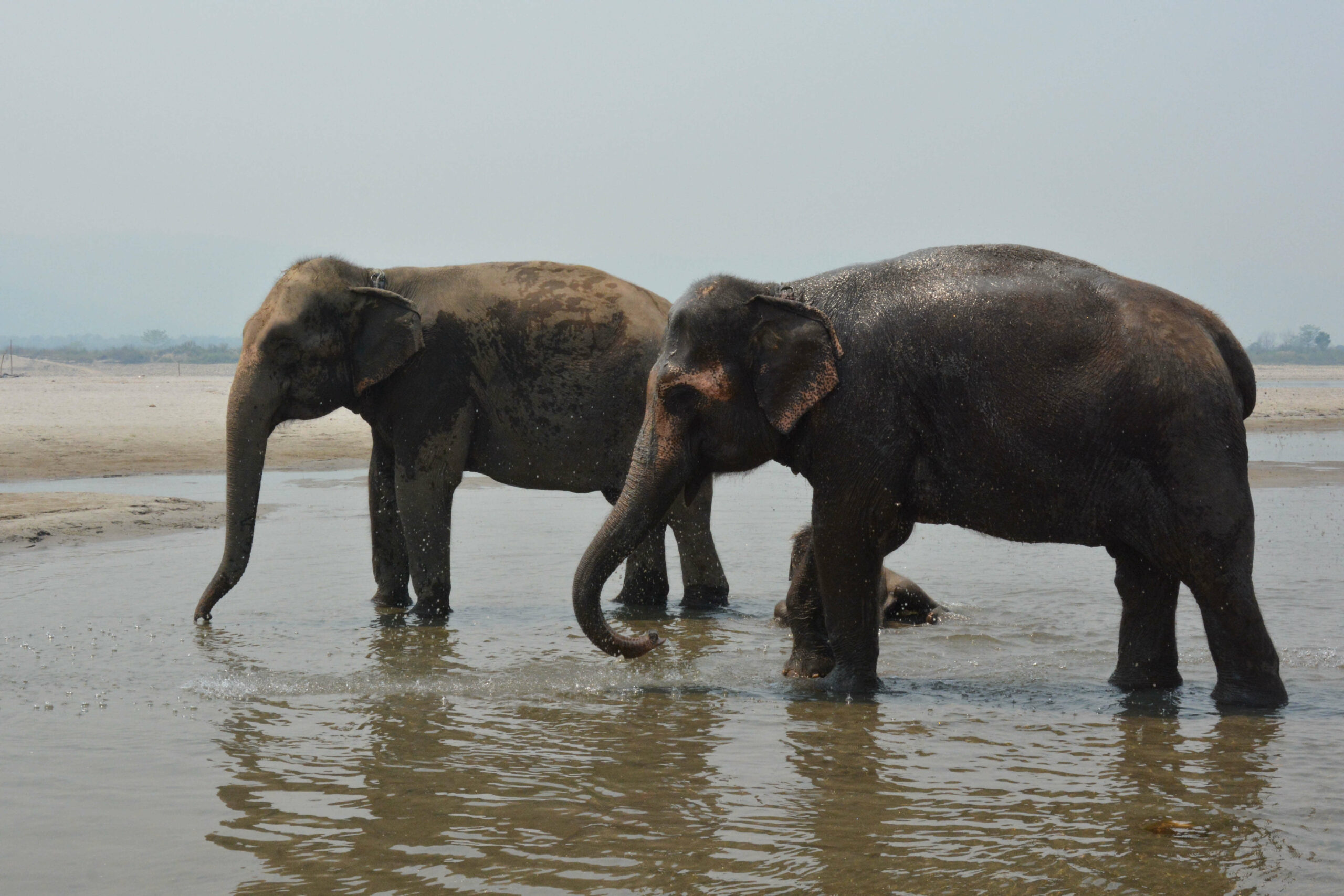
Avoid animal performances and sports like elephant polo. These practices invariably involve a lot of suffering for the animals and shouldn’t be supported.
Don’t buy any souvenirs made from Chiru (a Tibetan antelope) as these creatures are now endangered due to overhunting.
You’re likely to see elephant riding offered in Chitwan National Park. It is an uncomfortable problem, as the income it generates is crucial to protecting vulnerable species like the one-horned rhino and the Bengal tiger, but the practice almost certainly involves suffering for the elephants. Our partners don’t offer elephant riding anymore, but it can be arranged locally. The more people choose not to take part, the more urgency there will be for change.
Accommodation
Try to book Nepali-owned accommodation where possible, so that your money stays in Nepal and supports local people. International chain hotels can be very appealing and also provide employment, but much of your payment will flow out of Nepal.
Look out for hotels with a sustainability accreditation, or at least hotels that seem to be making some effort to reduce their waste. Wherever you book your hotels nowadays, information should be available on the hotel’s environmental policy. This is especially true for any larger hotels in popular areas.
Don’t be afraid to give feedback if your hotel is operating irresponsibly and making little effort to be sustainable. The more owners see that their customers care, the more hotels will be motivated to change their practices
Think about spending a few nights of your holiday going super-local, and experiencing real Nepali life in a Community Homestay. As well as adding a truly unique element to your trip, it’s the best way to directly support local people and communities in Nepal.
Want to see this from a local perspective? Have a look at this article from Inside Himalayas.
Join the mailing list
Nepal travel updates, special offers, and stories from the road.
Sign Up!!

Written by
TravelNepalNepal travel writer & trekking enthusiast. Covering the best of Himalayan adventures since 2019.