Yes, for the majority of the country. A glacial collapse above Langtang caused the flooding, sending debris and meltwater down specific river systems: the Lhende Khola, Bhote Koshi, and Trishuli. The damage is concentrated along that one corridor, not spread across Nepal.
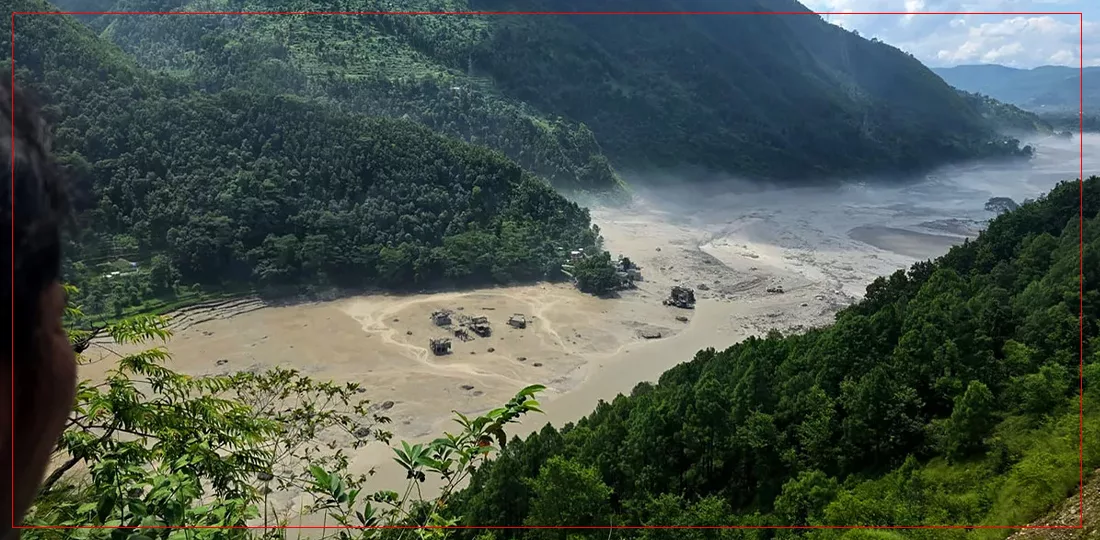
On 26 August 2026, flash floods struck Nepal, claiming lives, destroying settlements, and cutting short countless dreams. But as a traveler, you might be wondering, “Is It Safe to travel to Nepal right now?” Questions like: Should I cancel my trek? Is Kathmandu okay? may have come to mind. So, to clear up your confusion about the post-flood situation, here are some straight answers based on the latest guidance from Nepal’s tourism authorities and the Pacific Asia Travel Association (PATA).
Here are some of the straight answers, based on the latest guidance from Nepal’s tourism authorities and the Pacific Asia Travel Association (PATA).
Is it the right time to visit?
Yes, for the majority of the country. A glacial collapse above Langtang caused the flooding, sending debris and meltwater down specific river systems: the Lhende Khola, Bhote Koshi, and Trishuli. The damage is concentrated along that one corridor, not spread across Nepal. PATA’s leadership has been explicit: conditions in one affected river valley shouldn’t be read as representative of the country as a whole.
Which areas were actually affected?
Damage is concentrated in parts of Rasuwa district, the Langtang Valley, and the Bhote Koshi area, where search, rescue, and recovery operations are still underway. If your itinerary doesn’t pass through this specific corridor, it’s essentially unaffected by the floods. For background on the disaster, see our full Nepal Floods 2026: Travel & Safety Update.
Is Kathmandu safe?
Yes. Kathmandu Valley, including the airport and the city’s core tourist infrastructure, is operating normally. Visitors can still enjoy everything the valley is known for: sightseeing at UNESCO World Heritage Sites like Kathmandu Durbar Square, Swayambhunath, Boudhanath, and Pashupatinath; wandering the markets and alleyways of Thamel and Patan; and taking in the valley’s temples, festivals, and everyday cultural life as before.
Can I still trek to Everest Base Camp?
Yes. The Everest and Khumbu region was not affected by the August 26 flood. It lies well outside the flood-impacted river corridors, and flights, teahouses, and trails are running as usual. If EBC is on your list, there’s no need to change your plans.
Can I still trek in the Annapurna region or visit Pokhara?
Pokhara and the Annapurna region are fully operational and were not impacted by the flood. Lakeside activities, paragliding, and the Annapurna Circuit and Base Camp routes are all running normally. While the road journey between Kathmandu and Pokhara was affected by a landslide at Krishnabhir on the Prithvi Highway, a newly constructed alternative track has been completed and safety-tested, officially reopening the section for full two-way traffic as of September 17, 2026.
Even though the highway is now fully operational, drivers and travelers are advised to exercise caution and proceed with awareness due to the fresh, fragile nature of the mountain slope, or travelers can avoid potential road delays entirely by taking a short flight to Pokhara to keep their trip moving smoothly.
What about wildlife safaris in Chitwan or Bardiya?
Also unaffected. Jungle safaris and wildlife viewing in Chitwan and Bardiya are operating on their normal schedules. Visitors can still go on jeep and canoe safaris in search of one-horned rhinos, Bengal tigers, and gharial crocodiles, take guided nature walks and birdwatching tours, and spend time in Tharu villages experiencing local culture, cuisine, and traditional stick dances, all running as usual in both national parks.
Is Lumbini, or the Buddhist Circuit, affected?
No. Lumbini and the wider Terai region, including the Buddhist Circuit through southern Nepal, are open and unaffected by the floods. Pilgrims and visitors can still explore the Sacred Garden, Ashoka Pillar, Eternal Peace Flame, and the Maya Devi Temple marking Buddha’s birthplace, and walk among the international monastic zone’s monasteries built by Buddhist communities from various countries.
Which places should I avoid right now?
The areas to steer clear of for the time being are the ones directly in the flood corridor, impacted by severe flash floods and landslides:
- Langtang Valley & Trekking Routes: Langtang Valley and the surrounding trekking region (including Langtang National Park trails, Kyanjin Gompa, Gosaikunda, Helambu Circuit, Tamang Heritage Trail, Ruby Valley, and Syabrubesi), where trails, lodges, and paths were directly hit or blocked.
- Rasuwa District & Border Area: Rasuwa district more broadly, specifically the Rasuwagadhi-Timure-Syabrubesi area and the Rasuwagadhi/Kerung border crossing with China.
- Bhote Koshi Corridor & Affected Highways: The Bhote Koshi corridor (including sections of the Arniko Highway following the river), along with parts of the Pasang Lhamu Highway and Prithvi Highway, were disrupted by landslides.
These areas are currently focused on search, rescue, and recovery work, and are not suitable for tourism until that work is further along. If a trek or itinerary you’re considering passes through any of these specific places, it’s worth holding off or rerouting.
Are flights in and out of Nepal running normally?
Yes. Nepal’s airports and major tourism infrastructure continue to operate. International and domestic flight schedules to unaffected regions haven’t changed because of the floods.
Should I cancel my upcoming trip?
Not automatically. If your trip doesn’t route through Rasuwa, Langtang, or the Bhote Koshi corridor, there’s no need to cancel. PATA’s own guidance to the industry has been to assess travel plans by the specific destination or route involved, rather than treating the whole country as off-limits. International coverage hasn’t always made that distinction clearly, leading to cancellations for trips to parts of Nepal that were never affected.
Where can I check the latest official status before I travel?
Nepal Tourism Board (official site): Nepal’s national tourism authority, for broader destination and policy updates
Ministry of Culture, Tourism and Civil Aviation for government-level announcements and airport/aviation status (linked from the NTB site above)
Department of Hydrology and Meteorology (DHM) for weather, river, and glacial lake outburst flood (GLOF) monitoring and alerts
NDRRMA for verified casualty and damage figures (avoid unverified numbers circulating elsewhere)
PATA Nepal Chapter for updates on operating conditions in the affected region as recovery continues
Your home country’s foreign travel advisory (e.g. UK FCDO, US State Department, Australian Smartraveller) for official guidance specific to your nationality, including any visa or insurance implications
Is travelling to Nepal right now actually helpful?
Tourism is one of Nepal’s largest economic pillars, generating around USD 650 million (NPR 88.6 billion) annually in foreign exchange and accounting for over 16% of total export earnings. Beyond direct revenue, the travel and hospitality sector supports over one million direct and indirect jobs, from local guides and porters to lodge owners and transport operators. Every booking, tour, and meal purchased in an unaffected region directly sustains local livelihoods and keeps the wider economy moving when it matters most.
Still have questions?
If you’re unsure whether your specific itinerary is affected, get in touch with our team. We can check and help you plan with confidence.

Written by
EnaNepal travel writer & trekking enthusiast. Covering the best of Himalayan adventures since 2019.