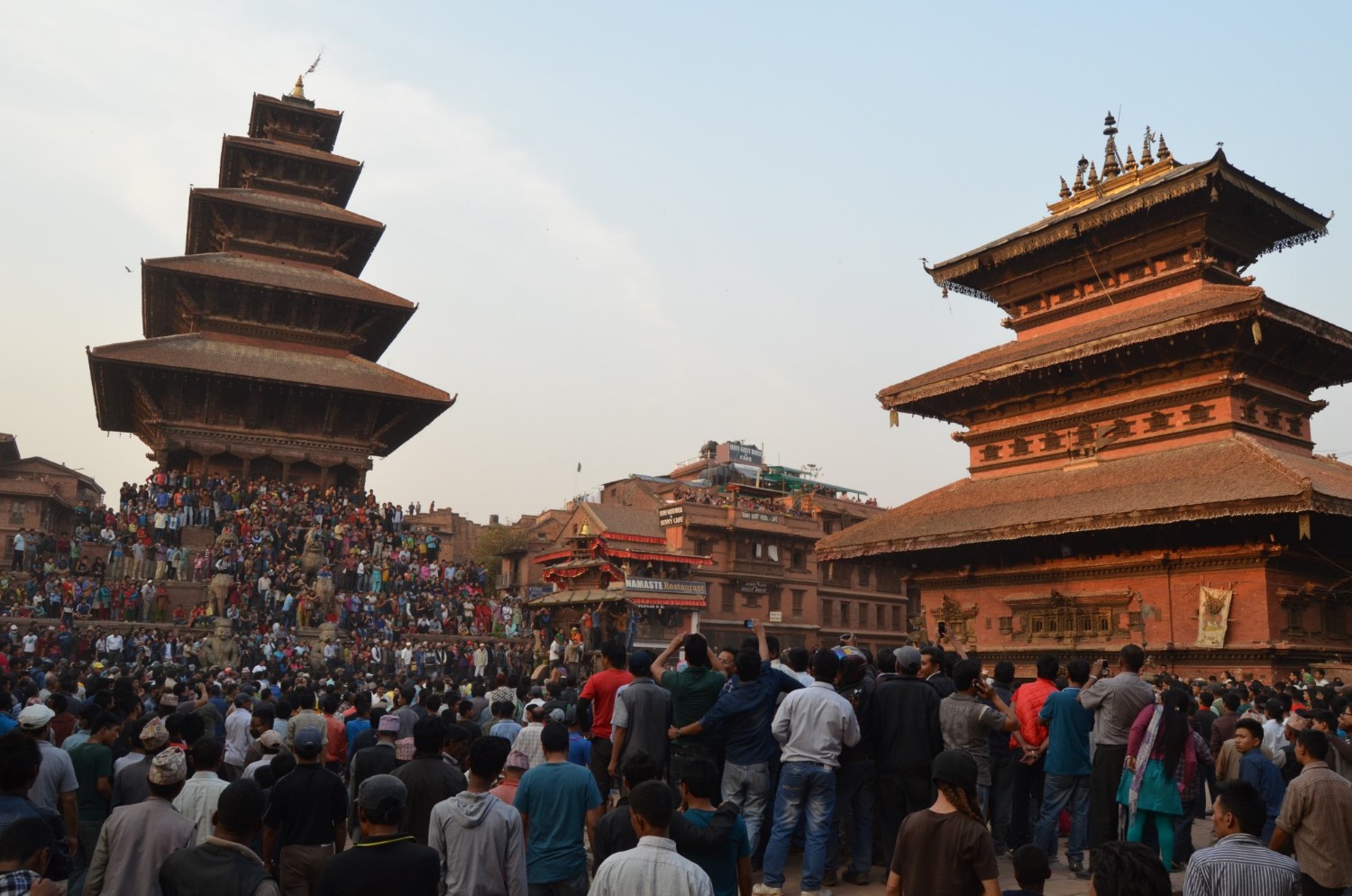
Just a short drive from Kathmandu, Bhaktapur is a city where history, art, architecture and everyday life come together beautifully. Often known as the City of Devotees, this ancient Newari city is famous for its temples, traditional brick houses, intricately carved wooden windows, pottery workshops and delicious local food. Unlike many historic destinations that feel
Just a short drive from Kathmandu, Bhaktapur is a city where history, art, architecture and everyday life come together beautifully. Often known as the City of Devotees, this ancient Newari city is famous for its temples, traditional brick houses, intricately carved wooden windows, pottery workshops and delicious local food.
Unlike many historic destinations that feel like open-air museums, Bhaktapur remains a living city. Locals continue to gather in its squares, artisans practise traditional crafts, and centuries-old courtyards remain part of everyday life.
If you have only one day to explore, Bhaktapur offers plenty of experiences to make your visit worthwhile. From admiring the architecture of Bhaktapur Durbar Square and discovering traditional woodcarving to watching potters shape clay and tasting the famous Juju Dhau, here is how to make the most of a day in Bhaktapur.
Bhaktapur at a Glance
- Location: Approximately 12–15 km east of Kathmandu
- Time needed: One full day
- Best for: Culture, architecture, traditional crafts, photography and local food
- Main attractions: Bhaktapur Durbar Square, Taumadhi Square, Dattatreya Square and Pottery Square
- Best time to visit: October to April for generally pleasant sightseeing weather
- Getting around: Walking is the best way to explore the historic city
1. Start Your Day at Bhaktapur Durbar Square
Begin your morning at Bhaktapur Durbar Square, the historic heart of the city and one of the most remarkable heritage sites in the Kathmandu Valley. Surrounded by temples, palaces, courtyards and traditional architecture, the square offers a fascinating introduction to Bhaktapur’s history and culture.
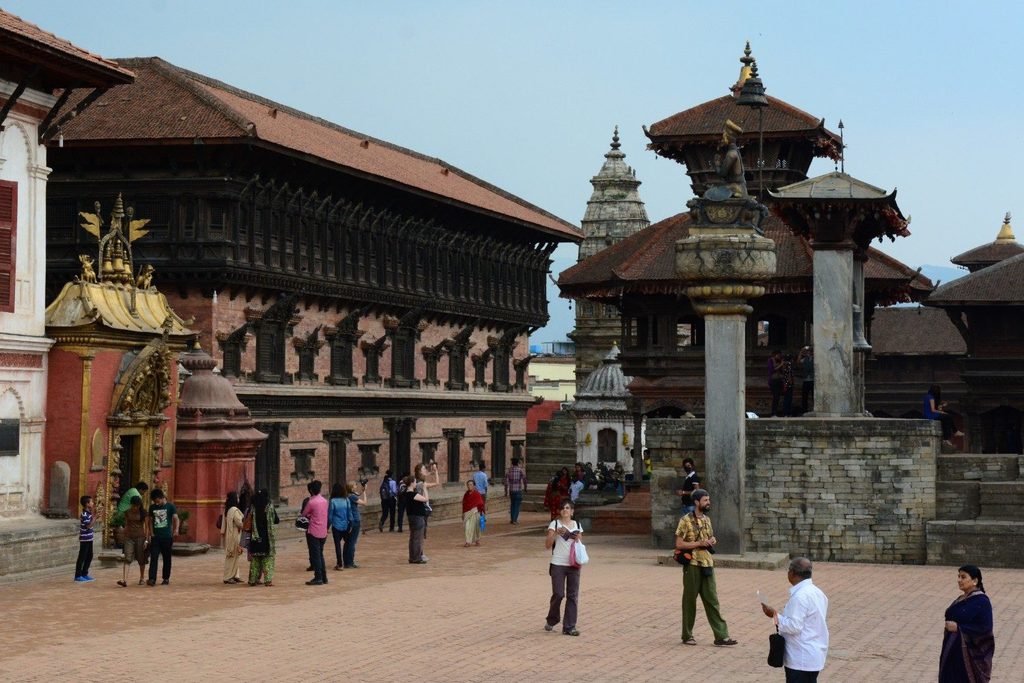
The square is home to some of the city’s most iconic landmarks, including the Golden Gate, the Palace of Fifty-Five Windows, the statue of King Bhupatindra Malla and several beautifully decorated temples.
Take your time walking around the square. Look closely at the carved wooden doors, intricate roof struts, stone sculptures and traditional architectural details. These structures reflect the craftsmanship and artistic traditions that flourished under the Malla kings.
The Golden Gate, also known as Sun Dhoka, is one of the most striking examples of traditional metalwork. Nearby, the Palace of Fifty-Five Windows showcases extraordinary wooden craftsmanship, with each window featuring intricate designs.
Bhaktapur Durbar Square is a UNESCO World Heritage Site and a wonderful place to begin your exploration of the city’s living heritage.
Travel tip: Arrive in the morning when the streets are quieter and the light is softer for photography.
2. Discover Bhaktapur’s Traditional Woodcarving
Woodcarving is one of the defining features of Bhaktapur’s architecture and cultural identity. As you walk through the old city, look closely at the wooden windows, doors, roof supports and temple decorations. Many are covered with intricate floral patterns, mythical creatures, deities and traditional symbols.
Continue towards Dattatreya Square, one of the oldest areas of Bhaktapur. Here, you can admire traditional buildings, temples and historic courtyards that offer a glimpse into the city’s artistic heritage.
One of the most famous attractions in the area is the Peacock Window at Pujari Math. Often considered one of Nepal’s finest examples of traditional woodcarving, this beautifully detailed window features a peacock design and showcases the remarkable skill of Newari artisans.
You may also find local workshops where craftspeople continue to practise traditional woodcarving techniques. Watching an artisan transform a piece of wood into a detailed design is an experience that connects visitors with the city’s living traditions.
If you want to go beyond simply observing, you can join a hands-on workshop and learn some basic carving techniques from a local artisan.
3. Experience Traditional Pottery at Pottery Square
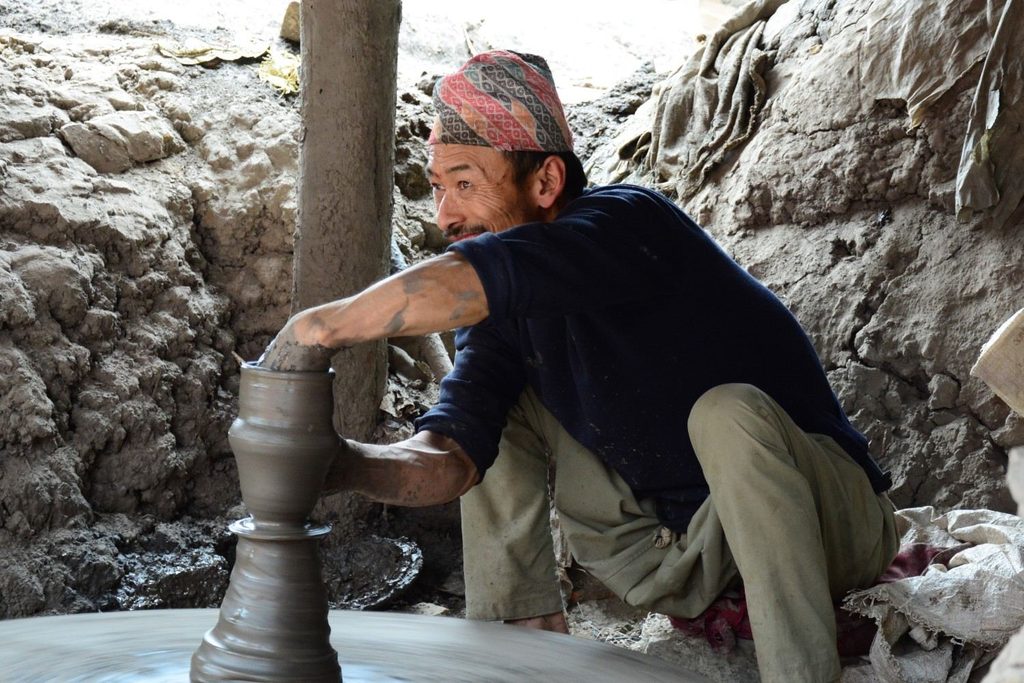
After exploring the historic squares, make your way to Pottery Square, locally associated with the traditional pottery-making community of Bhaktapur.
Pottery here is more than a craft or tourist attraction. It has been an important part of local livelihoods and cultural heritage for generations. The square is a fascinating place to observe the traditional process of making clay pots, bowls, lamps and other household items.
Watch local potters shape clay on traditional wheels, using techniques passed down through generations. Depending on the season and weather, you may see hundreds of freshly made clay pots arranged across the square to dry in the sun.
The sight of rows of earthen pots, traditional brick buildings and artisans working together creates a unique atmosphere that feels distinctly Bhaktapur.
If you are interested, some workshops offer opportunities to try pottery-making yourself. You can sit at the wheel, work with clay and experience the process of shaping a simple pot under the guidance of a local craftsperson.
Before leaving, browse the small shops selling handmade pottery. Purchasing a piece is a lovely way to take home a souvenir while supporting local artisans.
Travel tip: Visit earlier in the day when you are more likely to see artisans actively working. Pottery activity can vary depending on the weather, season and local workload.
4. Take a Break and Taste Bhaktapur’s Famous Juju Dhau
No visit to Bhaktapur is complete without tasting Juju Dhau, famously known as the King of Curd.
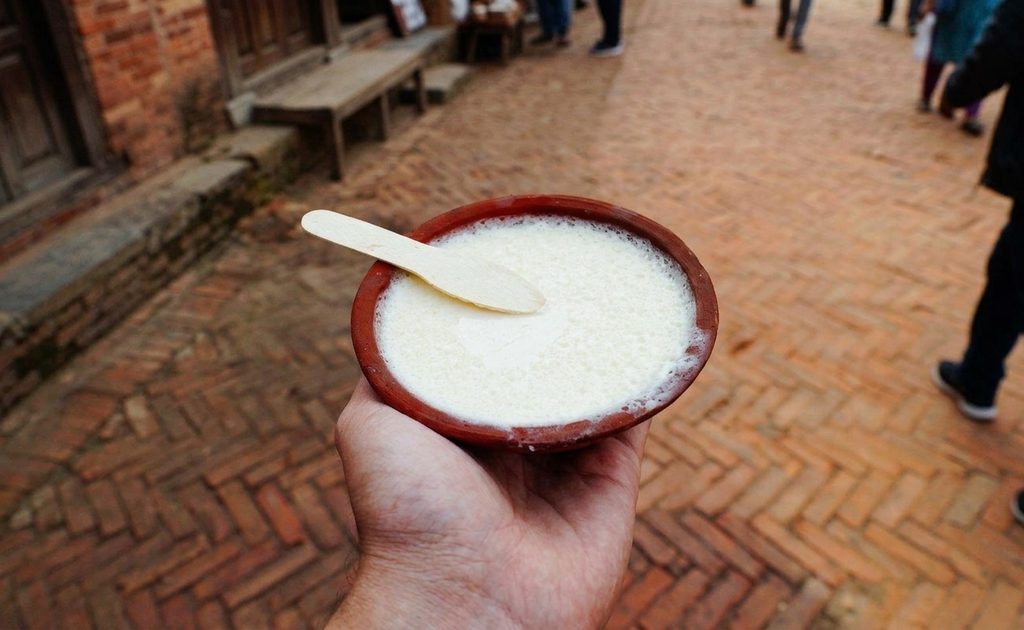
This traditional Newari yoghurt is known for its rich, creamy texture, mild sweetness and distinctive flavour. Traditionally prepared using buffalo milk and set in clay pots, Juju Dhau is one of Bhaktapur’s most beloved local delicacies.
The clay pots help give it a distinctive presentation, and the curd is often enjoyed as a dessert or snack after a meal.
You will find Juju Dhau in local shops around the historic squares. Take a break from sightseeing, find a comfortable spot and enjoy a pot of this delicious local speciality.
It is a simple food experience, but one that captures an important part of Bhaktapur’s culinary identity.
5. Enjoy a Traditional Newari Lunch
By midday, you will probably be ready for lunch. Bhaktapur is an excellent place to explore Newari cuisine, which is known for its variety of flavours, textures and traditional cooking methods.
Rather than choosing only familiar international dishes, take the opportunity to try some local specialities.
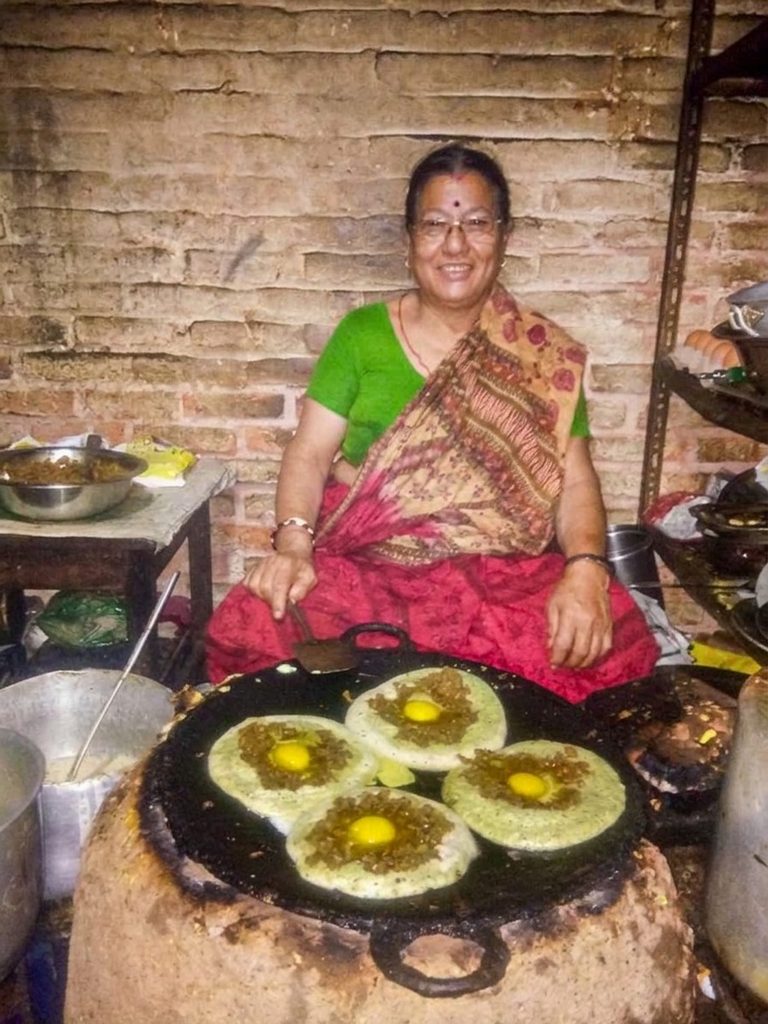
Some dishes worth looking for include:
- Bara: A savoury lentil pancake, often made from black lentils and served plain or with egg or meat.
- Samay Baji: A traditional Newari platter featuring beaten rice, roasted meat, black soybeans, potatoes, pickles and other accompaniments.
- Chatamari: A rice-flour crepe often topped with minced meat, egg or vegetables.
- Yomari: A steamed rice-flour dumpling traditionally filled with molasses and sesame seeds.
- Newari Khaja Set: A platter of traditional Newari snacks and accompaniments, which may include beaten rice, spicy potatoes, beans, meat and pickles.
Try a local restaurant or small eatery around the historic squares for an authentic experience.
You can also take this time to relax at a traditional cafe, enjoy a cup of tea or coffee, and watch the city’s daily life unfold.
6. Explore the Streets, Courtyards and Local Life
One of the best ways to experience Bhaktapur is simply to wander without rushing.
Beyond the main squares, the city’s narrow brick-paved streets lead to hidden courtyards, traditional homes, small shrines, local shops and neighbourhood gathering spaces.
You may see residents carrying out daily activities, shopkeepers preparing their stores, artisans working on crafts, or people gathering around temples and courtyards.
These quieter corners reveal another side of Bhaktapur, one that is not just about monuments but about a community whose traditions remain part of everyday life.
As you walk, look for traditional Newari architecture, carved wooden balconies, brick facades and small temples tucked between homes.
Remember that many courtyards are private or semi-private spaces. Be respectful when entering, photographing or observing local activities.
7. End Your Day at Taumadhi Square and Nyatapola Temple
As the afternoon progresses, make your way to Taumadhi Square, one of Bhaktapur’s most impressive historic spaces.
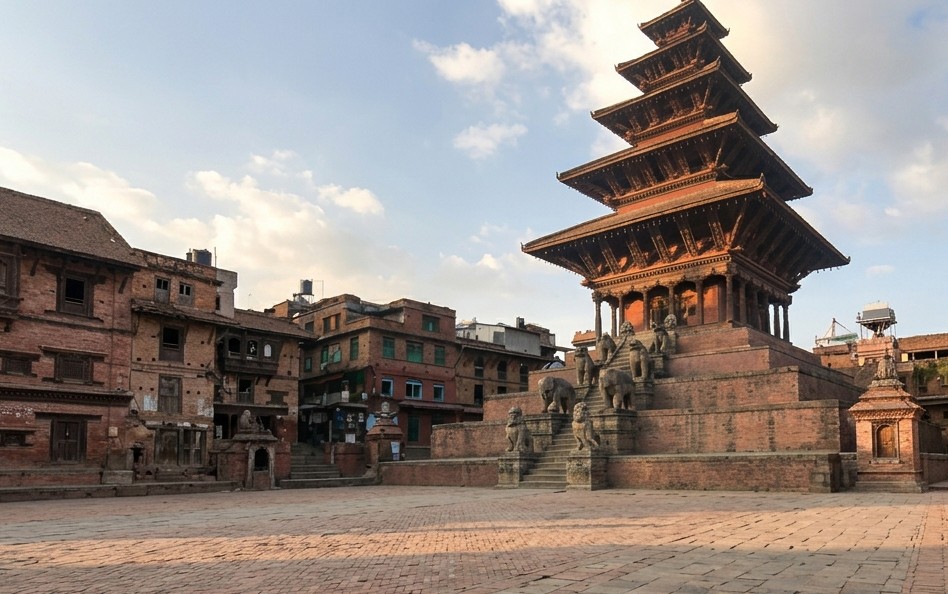
The square is dominated by Nyatapola Temple, a five-storey pagoda built in 1702 during the reign of King Bhupatindra Malla. Dedicated to Siddhi Lakshmi, the temple is renowned for its impressive proportions, elegant roof structure and stone guardians lining the staircase.
The temple’s staircase features pairs of guardians, each believed to possess greater strength than the figure below them. These include wrestlers, elephants, lions, griffins and other mythical beings.
Nyatapola is one of the most remarkable examples of traditional pagoda architecture in Nepal and a defining landmark of Bhaktapur.
Nearby, you will also find Bhairavnath Temple and traditional buildings surrounding the square.
Spend some time sitting on the steps, observing the activity around you and enjoying the atmosphere. The square becomes particularly beautiful in the late afternoon when the light falls across the brick buildings and temple roofs.
If you have time, revisit some of the streets you explored earlier. Bhaktapur’s changing light and quieter evening atmosphere can make the city feel completely different from the morning.
A Few Practical Tips Before You Go
Best time to visit
October to April is generally a pleasant period for exploring Bhaktapur, with comfortable weather and less rain. Spring and autumn are particularly good for walking and photography.
Bhaktapur is also beautiful during local festivals, although streets may become crowded and travel arrangements may take longer.
Getting there from Kathmandu
Bhaktapur is approximately 12–15 km east of Kathmandu. You can travel by taxi, private vehicle or local bus.
Travel time depends heavily on traffic, so allow extra time, especially if travelling during morning or evening rush hours.
Entrance fees
Bhaktapur’s historic core has an entrance fee for many international visitors. Rates vary by nationality and can change, so check the current fee before your visit.
The Nepal Tourism Board maintains a heritage-site fee listing here:
Check Nepal Tourism Board Heritage Site Entry Fees
What to wear
Wear comfortable walking shoes. The historic city has brick-paved lanes, uneven surfaces and plenty of walking.
Dress respectfully when visiting temples and religious sites, and follow any local instructions about entering shrines.
Carry cash
Although some businesses may accept digital payments, small shops, food stalls, pottery sellers and local eateries may prefer cash. Carry some Nepali rupees for convenience.
Photography etiquette
Bhaktapur is incredibly photogenic, but remember that it is also a living community.
Ask permission before photographing people, artisans or religious activities. Avoid entering private courtyards without permission, and follow photography restrictions at temples and museums.
Respect local heritage
Do not climb on monuments, touch fragile carvings, disturb offerings or leave litter behind. Respect the people who live and work in the historic city.
Frequently Asked Questions About Visiting Bhaktapur in One Day
Is one day enough to explore Bhaktapur?
Yes. One full day is enough to explore the major historic squares, enjoy traditional crafts, try Newari food and experience the city’s atmosphere. If you enjoy photography, museums or cultural activities, you may want to stay longer.
Can I visit Bhaktapur as a day trip from Kathmandu?
Absolutely. Bhaktapur is an easy day trip from Kathmandu. You can travel by taxi, private vehicle or local bus and spend the day exploring the historic city before returning to Kathmandu in the evening.
What is Bhaktapur famous for?
Bhaktapur is famous for its traditional Newari culture, historic temples, pagoda architecture, woodcarving, pottery, brick-paved streets and Juju Dhau, its traditional sweet curd.
Where can I see traditional pottery in Bhaktapur?
Pottery Square is one of the best places to observe traditional pottery-making. You can watch artisans shape clay, see pots drying in the sun and, depending on availability, try making pottery yourself.
What is Juju Dhau?
Juju Dhau is a traditional Newari yoghurt made from buffalo milk. It is famous for its rich, creamy texture and sweet flavour, and is traditionally served in clay pots.
Is Bhaktapur worth visiting?
Yes. Bhaktapur is one of the most rewarding cultural destinations near Kathmandu. Its architecture, traditional crafts, local food and everyday Newari life make it a wonderful place to experience Nepal’s heritage.
One Day, Three Experiences, Endless Memories
Bhaktapur is more than a collection of historic temples and monuments. It is a city where craftsmanship, culture, food and everyday life remain deeply connected.
From admiring intricate woodcarvings and watching potters shape clay to enjoying a bowl of Juju Dhau and exploring centuries-old courtyards, every experience offers a different perspective on what makes this city special.
You do not need several days to appreciate Bhaktapur. Sometimes, one day is enough to discover its charm, connect with its culture and leave with memories that stay with you long after your journey ends.
If you are visiting Kathmandu, make sure you set aside a day for Bhaktapur. It may just become one of your favourite experiences in Nepal.

Written by
TravelNepalNepal travel writer & trekking enthusiast. Covering the best of Himalayan adventures since 2019.