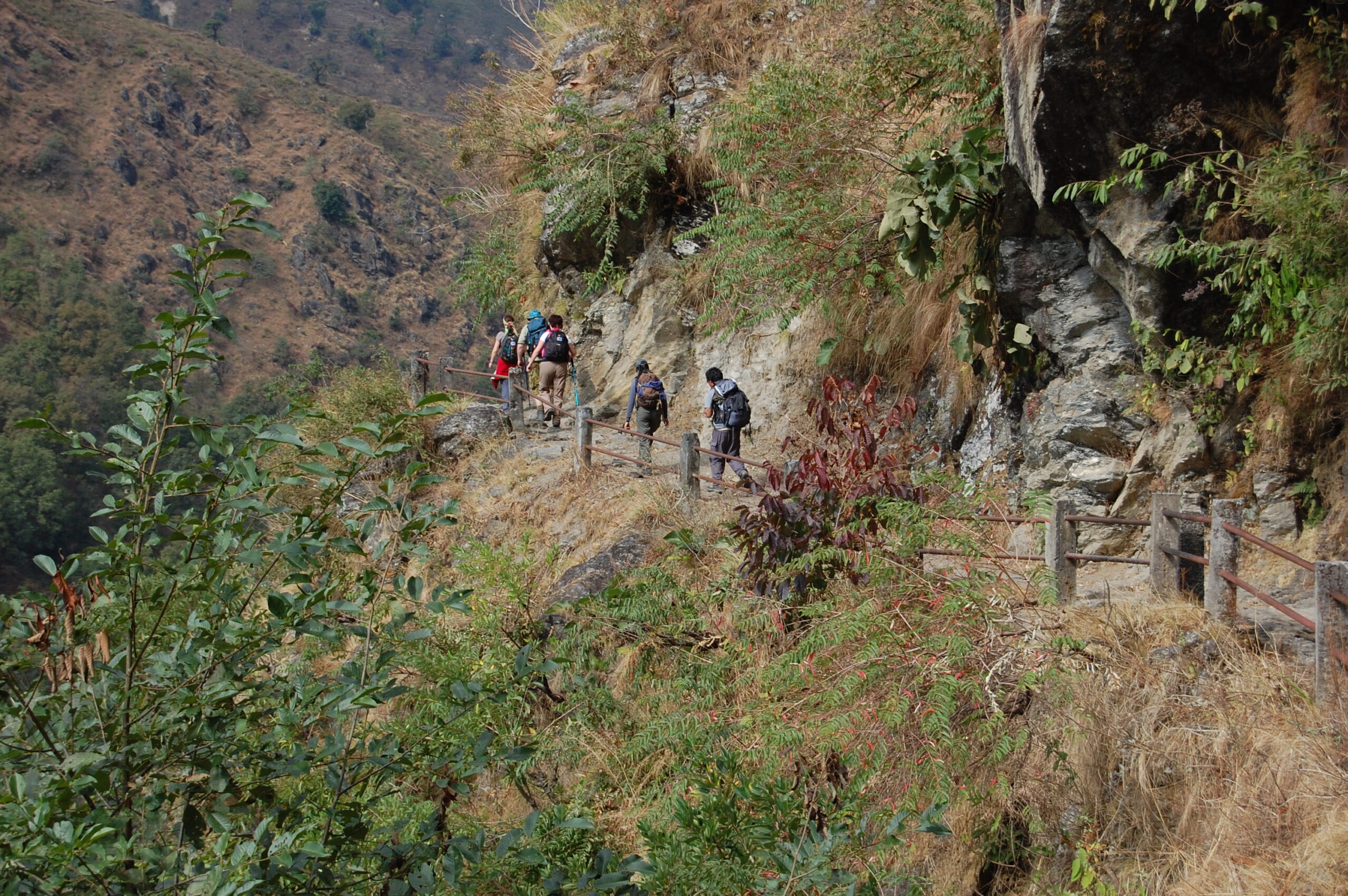
Creating a comprehensive Nepal packing list is the most important step you can take to prepare for the massive climate shifts of the Himalayas. Packing is one of the least enjoyable parts of going on holiday (although unpacking at the end is even worse!), and packing for a visit to Nepal can be especially tricky. With such a range of altitudes, temperatures, and activities, you’ll need more than just a few t-shirts and some swimwear.
Of course, you should always be aware of the season you’re travelling in since the weather can vary greatly throughout the year. However, weird weather is nothing new for Nepal, so expect the unexpected.
Through our experience and local recommendations, we’ve compiled a Nepal packing list to help you fill your luggage with useful things, so you’re not caught short during your Nepalese adventure.
P.S. Many of these things can be purchased locally in Nepal, especially in the shops of Kathmandu and Pokhara. Watch out for fakes, though, especially with trekking equipment.
First aid kit (should contain lip balm with sunscreen, sunscreen, whistle, Aspirin, Ibuprofen, bandaids/plasters, tape, anti-histamines, antibacterial gel/wipes, antiseptic cream, Imodium or similar tablets for mild cases of diarrhoea, rehydration powder, water purification tablets or drops, insect repellent, sewing kit, extra prescription drugs you may be taking)
Plug adaptors (Nepal mostly uses types C and D)
Refillable water bottle (with a filter or purification tablets)
Earplugs
Sunscreen
Eco-friendly toiletries
Money Belt
Torch
Alarm clock
Small padlocks for bags
Small towel
A pen (for filling in documents)
Personal medical items
Clothing (without trekking)
Lots of layers! Think thin long-sleeve tops and sweaters
Thermal tops and trousers, especially in winter
Warm gloves and hats
Lighter clothing for summer (nothing revealing though, you’re in Nepal!)
Sunglasses and a sun hat
Shawl or scarf (for temple visits)
Thick socks
Comfortable shoes or trainers
Windproof rain jacket
Sleeping clothes
Underwear (we probably don’t need to tell you that…)
If you’re trekking
Hiking boots (preferably worn in)
Spare laces
Wool hiking socks
Thermal layers
Warm jacket or coat
Waterproof gloves
Windproof rain gear
Sleeping bag (can be rented for 100 – 200 NPR per day)
Sleeping bag liner
Bandana
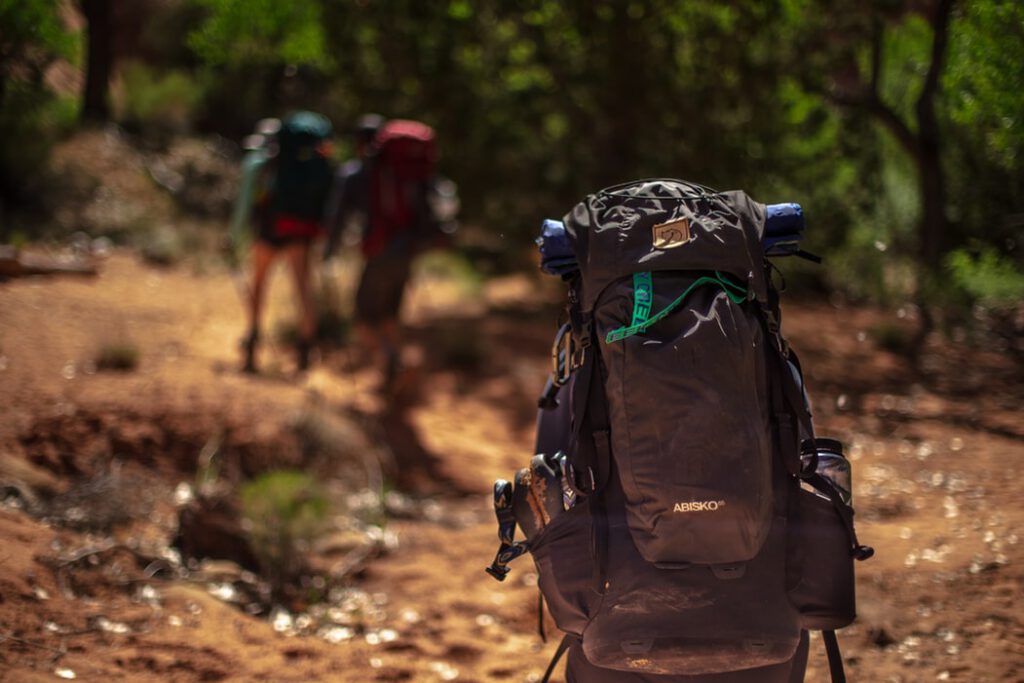
Waterproof backpack cover
First aid kit
Whistle
Compass
Trail snacks (can be bought locally)
P.S. The best clothing for trekking is either wool or synthetic materials in layers, as this is quick-drying and can keep heat in better. We suggest a base layer, then a mid-layer such as a light fleece jacket or similar, then a windproof and waterproof layer.
Book local
Up-to-date advice, an incredible range of tours and treks, and simple local prices Speak to an Expert
Some parents are more than happy to relax in a resort or beside a beach for a couple of weeks, drinking cocktails while the kids play around in the pool. There’s nothing wrong with this; of course, we all need to relax sometimes!
Other parents prefer to explore, however, showing their children a different culture and fuelling their sense of adventure. For this kind of family, there are few better destinations than Nepal.
In this guide, we’ll talk you through what to expect when you embark on your Nepal family travel.
If you have any extra questions or need some help planning your adventure, you can feel free to get in touch with our team.
The Nepalese People
Nepalis are known for their friendly nature and their humour, and are very family-oriented. If you travel to Nepal with children, you’ll be made to feel incredibly welcome and will doubtless make some new Nepali friends during your holiday.
Don’t be surprised if your hosts, hotel staff, or even waiters take a shine to your kids and start interacting with them. This is very normal in Nepal.
Safety
You don’t have too much to worry about from the Nepali people – crime rates are low in Nepal, and incidents with foreign children are very rare. The main concerns are the same as for adults, but there are steps you can take to minimise risk.
Road accidents are quite common in Nepal. Taking flights or private transfers with a reputable provider can be a safer option than the bus.
Hygiene standards are lower in Nepal, so bring hand sanitiser and use it regularly.
Bring stomach settlers and any other medicine with you, in case your kids eat something new and don’t react well to it.
Air pollution from the roads in Kathmandu is high, so bring face masks for walking around busy parts of the city.
Altitude sickness can affect kids too, so plan some time to acclimatise and read our Medical and Altitude Sickness guide. If you plan to trek, consider a shorter, lower-altitude trail.
Where to stay
Hotels are usually very accommodating for families, and will go out of their way to make sure that your sleeping arrangements are suitable. Particularly in Kathmandu and Pokhara, many hotels have triple or four-bed rooms, along with decent WiFi and enclosed gardens or terraces. Away from the big cities, facilities are a bit more limited, and you may need multiple rooms. If you book in advance, our team can request that your rooms be next to each other.
For something truly unique, we recommend spending a night or two at a Community Homestay. It’s not 5-star luxury, of course, but the experience of being welcomed into a Nepali home is something that will stay with your children forever. It’s a great way to learn about another culture and way of life, as well as to support rural communities in poorer parts of the country.
What to eat
In Nepal, children generally eat as the adults do, with curries and dal bhat playing a big part in the average diet. The tastiest food is always what the locals are eating, but a lot of restaurants in Nepal will also have more Western options like burgers or pizza on their menu. This is especially true in the cities, whilst in rural areas these options may not be available. You can always ask them to cook with fewer chillies if your child prefers milder flavours.
One traditional Nepalese dish that most kids will enjoy is momos. These dumplings come in various flavours and are usually a big hit with kids.
In terms of snacks, it’s safest to stick to unpeeled fruit or pre-packed goods. Just make sure you dispose of any packaging responsibly!
Activities and experiences
There is much for children to enjoy in Nepal, and it’s a chance to get away from their screens, connect with nature, and experience a whole new culture. Even just strolling around the bazaars of Kathmandu can be an exciting and eye-opening experience for a youngster.
Here are a few suggestions to help inspire you;
Take a rickshaw ride around Kathmandu or Pokhara. It’s a cheap and fun way to introduce yourself to a city.
Spend a night at a Community Homestay or take a cooking class. This is a great way for kids to get to know the Nepali people and culture, and they may learn something new at the same time.
If you see Nepali kids playing football or some other game, encourage your child to join in! They’ll almost always be welcome.
Chitwan National Park is very accessible and is home to species like rhinos, elephants, and tigers. Most kids love their time in Chitwan, so consider including a few days here in your itinerary.
Trekking with children
Taking your kids trekking in Nepal can be a wonderful experience for you and for them, but it’s not for everyone. Long days, sore feet, altitude sickness, and boredom can take their toll on a young trekker, and it’s not easy to quit once you’re 3 days into the mountains!
The good news is that there are hundreds of different trails in Nepal, suitable for all ages and abilities. If your kids are a little older, then even famous trails like the Everest Base Camp trek are very achievable, but several shorter trails at lower altitudes would be easier for youngsters.
Of course, you know your children better than anyone else, so it’s a good idea to discuss some options with an expert and find something suitable for your child’s interests and abilities.
Our team will be happy to help you choose a trekking experience that is right for your family, so feel free to get in touch!
Travelling to Nepal with a baby or toddler
Bringing very young children or babies to Nepal can be fun and make you a lot of friends, but you should be aware that the facilities you’re used to at home may be different or unavailable.
High-chairs in restaurants and baby-changing tables are not common in Nepal, whilst western brands of nappies or formula can be difficult to find or expensive. Make sure you bring what you need with you.
A travel cot is also a good idea, especially if you’re planning to go more basic or rural during your trip.
Breastfeeding in public is normal and acceptable in Nepal, so you can feel comfortable feeding your baby in most places.
Family Tours and Day Trips
It can be difficult to know which tours are suitable for your kids, but you can always get in touch with our team for the best local advice about what you can do with your family in Nepal.
Nepalese Family Culture
Family is at the very core of Nepalese culture, with different generations often living side-by-side and supporting each other throughout their lives.
Nepal is a very traditional country with a largely patriarchal society, although the mother also has a great deal of authority within the family. Traditionally, the father will work away from the home, whilst the mother looks after the children and the household.
Practices such as arranged marriages still exist, but attitudes are increasingly influenced by Western values, particularly amongst younger people in urban areas. Female empowerment and the freedom to choose your own partners are increasingly normal in Nepalese culture.
Book local
up-to-date advice, an incredible range of tours and treks, and simple local prices Speak to an Expert
In a country with so many trekking options, choosing the right area for you can be tricky. Read our guide to the trekking regions of Nepal to help you decide.
Khumbu Region
Nepal’s most famous and most developed trekking region is dominated by the mighty Mount Everest, and travellers come year after year to see the world’s highest mountain up close.
There’s more to the region than just Everest, of course, and you’ll find a variety of different trekking routes, as well as welcoming mountain communities, jaw-dropping scenery, and the fascinating Sherpa capital at Namche Bazaar.
You’ll find that the trails are well-maintained and the tea houses along the route are some of the best in Nepal, with comfortable beds, showers, Wi-Fi, and a varied food and drink menu.
Most adventures in this region begin with a 30-minute flight from Kathmandu to Lukla.
Take a look at the Everest Base Camp trek with Royal Mountain Travel.
Nepal’s second most famous trekking destination, this spectacular part of the country lies in the Central Himalayan range, not far from the lakeside city of Pokhara. You’ll find incredible mountain scenery at every turn, with some of the country’s highest and most famous peaks found here, including the imposing Annapurna Massif, which gives the region its name.
There’s a wide range of adventures on offer, ranging from gentler 3-4 day treks through the foothills where you can stay with welcoming local communities, right through to serious mountaineering, extreme sports, and the iconic 230km Annapurna Circuit.
With most trailheads easily reached from Pokhara and an excellent trekking infrastructure in place, Annapurna is understandably popular with outdoor-lovers of all abilities.
This isolated region nestled in the Himalayas offers something different. The mustang region is cooler and more arid, giving it the feel of a high-altitude desert. Its location also protects it from the monsoon season, making it a good option during those summer months.
The people of Mustang are semi-independent and follow traditional Tibetan Buddhism, giving the culture a different feel from the rest of Nepal.
The gateway city is the city of Jomsom – a 30-minute flight or 10-hour drive from Pokhara, and permits must be arranged in advance.
Accommodation is a mixture of camping and basic tea houses.
This region between Kathmandu and Pokhara is home to the world’s 8th-highest mountain, Manaslu, and offers a quieter, more remote experience than Everest or Annapurna. The scenery is just as spectacular, however, and trekking infrastructure is constantly improving. You can enjoy a mix of camping and simple tea houses, as well as the feeling of being all alone in the mountains.
The trails can be accessed from Soti Khola, around a 7-hour drive from Kathmandu.
The Langtang National Park may lack the famous peaks of Everest or Annapurna, but exploring this region can be just as rewarding. This part of the Himalayas sits at a slightly lower altitude, making it one of Nepal’s more accessible trekking regions and allowing you to get closer to the mountains themselves.
The people of Langtang are known for their vibrant culture, so the chance to know and even stay amongst these communities is something to treasure.
If you’re short on time or aren’t keen on doing a longer trek, the Kathmandu Valley has some great little trails to explore. Sure, the mountains are more distant, but the walking is easier, and you’ll gain a wonderful insight into the lives of the people in this historical part of Nepal.
Remote and barely explored by tourists, the far western part of Nepal has always had its challenges in terms of development and accessibility. Trekking groups have to be self-sufficient, since you won’t find many tea houses along these rocky trails.
Things are slowly starting to change, and through initiatives such as the Community Homestay Network, more and more intrepid tourists are beginning to explore this fascinating part of the country.
It’s well worth the effort, with incredible, untouched scenery, as well as unique tribal communities and diverse wildlife.
The gateway to this region is the city of Nepalgunj – a short flight away from Kathmandu.
The eastern Himalaya Region is often forgotten by trekkers heading to Everest and Annapurna, and it is this remoteness and tranquillity that will give you a truly unforgettable experience. Home to two of the world’s five highest mountains, Mt. Makalu (5th) and Mt. Kanchenjunga (3rd), as well as dense alpine forests and rolling foothills, it is untouched nature at its finest.
The people in eastern Nepal have a culture all of their own, formed by centuries of relative isolation, and visiting these unique communities is a real highlight of visiting this part of the country.
The infrastructure is more basic than in the more popular regions, with fewer and more basic tea houses on offer, and more challenging trails. Eastern Nepal may not be the easiest option, but it is certainly one of the most rewarding parts of Nepal for trekking.
Take on Mt. Kanchenjunga with Royal Mountain Travel.
What to expect and where to go for trekking and hiking in Nepal
With the world’s most famous mountain range on our doorstep, it’s no wonder that so many adventurous travellers make their way to Nepal each year, ready to strap on their trekking boots and go exploring. But what kind of experience should you expect? When should you go? Should you hire a guide? Where will you sleep?!?
In this guide, we’ll try to answer some of the big questions, and you can also get in touch with our team to go through your trekking options in more detail.
Your trekking and hiking experience in Nepal
You may have visions of ancient explorers scaling mountains and battling through blizzards, but nowadays trekking in Nepal is a much more inclusive experience. There is a huge range of treks and short hikes, suitable for most abilities, and for the most part, you’ll find good facilities and well-marked trails.
There are still opportunities for more extreme adventures and mountaineering, of course, but most people come to enjoy the epic mountain scenery, the feeling of relative isolation from the modern world, and to take on a physical challenge that is within their abilities.
Along the way, you’ll witness a way of life that has barely changed in centuries. The communities that live in this part of the world have embraced trekking as a way of supporting their livelihoods, and the encounters you have with the local people can be just as memorable as the Himalayas themselves.
Do I need to be fit?
It helps, of course, but you don’t necessarily need to be a superhero to come trekking in Nepal. You can choose anything from tough 3-week expeditions to gentle hikes through the Himalayan foothills, many of which can be completed by families, older people, or even those with some mobility issues.
If you’re not sure which trail is right for you, you can speak to our team for some advice on which to choose.
Accommodation
Camping is still common, particularly in more remote trekking regions, but nowadays many people choose to spend their evenings in the tea houses found along most of the popular routes. You’ll often have a private room, and meals can be purchased too, and in some places you’ll even have WIFI, hot showers, and Western toilets. Although these tea houses vary in terms of comfort and facilities, the warm welcomes and the chance to meet other trekkers from around the world make them a popular option.
Thanks to the pioneering work of the Community Homestay Network, you can also choose to stay with a host family in one of the villages along your route. You’ll have plenty of privacy and your own room, and the chance to meet and learn about these people and how they live is a priceless experience.
Food and Drink
Predictably, you’ll find Dal Bhat is the first (and sometimes only) thing on the menu in most tea houses. This is not a bad thing – it’s super-filling, cheap, and the cook will usually put their own little twist on it.
Many teahouses along the popular trekking routes have started to cater more to Western travellers, and you might find that you can enjoy a burger or something else familiar after a long day on your feet. You’ll often be able to purchase beers, chocolate bars, and other snacks from small tea or coffee stands along the way, too.
If you’d prefer to camp rather than stay in a teahouse, then we’d recommend packing a good stove and stocking up on food supplies in Pokhara or Kathmandu. Alternatively, if you join a guided trek, this will usually be taken care of for you.
Guides and Porters
Many young Nepalis choose to make use of their mountain experience by working as guides or porters, and their services can be invaluable in keeping you safe and giving you the best trekking experience possible.
Guides and porters can usually be hired locally before you set off, but you may want to consider arranging this in advance through a reputable company such as Royal Mountain Travel – they ensure that their employees are fairly paid, fairly treated, and have all the knowledge and experience needed.
Porters have a history of being exploited, underpaid, and made to carry huge weights, which can do permanent damage to their health. Please make sure that the bag you give your porter weighs under 15kg, or hire a second porter. If you see an overloaded porter, you should report it to the trekking company.
What to pack
Being well-prepared for your trek is vital and will allow you to enjoy your trekking experience to the maximum. We’ve put together a comprehensive Nepal Packing List, including what you’ll need for trekking, to help you make sure you put the right things in your rucksack before you set off.
Altitude Sickness
Altitude sickness can affect even the fittest people, and it can be fatal in extreme cases or if it isn’t managed correctly. Take it seriously, be prepared, and always take the time to acclimatise.
You can read our Medical advice and altitude sickness page for advice on how to prevent altitude sickness, and how to react if it happens to you.
OK, so maybe this isn’t the page that’s going to get you all excited about coming to Nepal, but how you get from place to place is important, and it can be a wonderful way to see the vast open spaces of the country.
There are many different ways to travel through Nepal, depending on your budget, route, and preferred travel style, so on this page, we’ll run through the main ones you’re likely to encounter on your journey.Figuring out Nepal transport and getting around efficiently is key to keeping your mountain itinerary running smoothly and comfortably.
Domestic Flights
If you’re on a tight schedule or just want to avoid a long and winding road journey, then Nepal has several domestic flight routes that operate daily from Kathmandu and Pokhara. Alongside Nepal Airlines, Buddha Air, and Yeti Airlines, smaller domestic operators like Saurya Airlines, Shree Airlines, Simrik Airlines, and Tara Air also cover most of the main routes. We generally use Yeti Airlines if possible, since we like their service.
You can book these airlines online, or get in touch with our team so we can arrange flights as part of your itinerary, along with transfers, etc.
Popular daily routes (available in both directions);
Kathmandu – Pokhara
Kathmandu – Lukla (Everest)
Kathmandu – Bhairawa (Western Nepal)
Kathmandu – Nepalgunj (Bardia)
Kathmandu – Bharatpur (Chitwan)
Kathmandu – Bhiratnagar (East Nepal)
Pokhara – Jomsom (Lower Mustang)
Pokhara – Bharatpur (Chitwan)
Pokhara – Nepalgunj (Bardia)
For further details about domestic and international flights in Nepal, head to our Nepal Flights page.
Luggage allowance;
Standard flight = 20-25kg + 5kg hand luggage
Mountain flight (e.g. Lukla) = 10kg + 5kg hand luggage
Check-in and delays;
You should aim to be at the airport at least 90 minutes before your departure time. Domestic flights are often delayed due to weather or other reasons, so you may have to display some patience at times.
If you’re trying to connect with an international flight, it’s wise to leave a good chunk of time between the two, just in case of delays.
Private Transfers
The most comfortable way to travel overland in Nepal is by private transfer. Our partners at Royal Mountain Travel have a fleet of modern, eco-friendly vehicles to suit various group sizes and journey types, with everything from comfortable SUVs to safari jeeps and small coaches. They’ve also invested in two electric cars as part of their drive to protect Nepal’s environment.
Royal Mountain’s drivers are professional and friendly and will make stops along the way if you’d like to use a bathroom or admire a view. Most Nepalese drivers do not speak English fluently, but they’ll understand a little and are used to communicating with smiles and sign language. Enquire with Royal Mountain Travel
How people drive in Nepal may be quite different from what you’re used to and can be a little scary at first! Cars, or even buses, will overtake on blind turns, and there is more reliance on car horns than on following road rules. Don’t be too concerned if your driver seems to be taking some ‘risks’ – it is actually much safer to drive with a little aggression in Nepal, as hesitant drivers are far more likely to have accidents.
Hiring a Car in Nepal
Whilst this is possible for foreigners, driving on Nepal’s roads is not for the faint-hearted (see above) and we’d urge you to think very carefully before choosing this option. You may be an experienced and safe driver at home, but the roads and driving culture in Nepal can take years to get used to.
Tourist buses
You can travel many routes in Nepal by either public or tourist bus – tourist buses are generally of better quality and are still very cheap by Western standards, so we’d usually recommend paying that little bit extra.
However, even on tourist buses, you’ll find that the comfort level isn’t that great, and these vehicles lack the safety features you might be used to at home.
If you don’t mind roughing it a little and are looking to save some money, Nepalese buses provide a good option for travellers. There are many bus companies you can book locally, but we’d advise doing some quick research as some are better than others. Alternatively, you can get in touch with our team for help arranging bus tickets as part of your Nepal holiday.
Roads in Nepal follow the hills and mountains, so they are rarely straight and usually quite narrow. They’re also subject to landslides, especially during the monsoon season, and to some major roadworks. Don’t be surprised if traffic grinds to a halt occasionally, sometimes for an hour or two.
Taxis
Taxis are widely available in most towns and cities – sometimes you’ll have 3 or 4 taxis trying to get your business at the same time! Make sure that your taxi is official and has a working meter, or agree on a fare before you start the journey. A normal taxi ride of 10-20 minutes shouldn’t cost much more than NRs500.
Rickshaws
A cheap, fun option to get around in cities like Kathmandu and Pokhara, allowing you to see the city at a more relaxed pace. Bring a face mask with you, especially in Kathmandu, where the air pollution around the roads can be pretty intense.
Traffic in Kathmandu can get ridiculous at times, and a 10-minute journey can easily turn into 30 minutes of boredom. Apparently, there are more cars than there is actual road space in the city, so prepare to be patient, or maybe choose to walk instead!
Feet
Of course, if you’re trekking, then your feet are going to see some serious action, but even in cities like Kathmandu and Pokhara, most of the main attractions can be easily reached on foot… just grab yourself a city map and watch out for potholes!
Becoming ill whilst in a foreign country can be a worrying experience, and whilst Nepal has some good hospitals and fantastic doctors, you should take precautions in the hope that you never have to meet them!
The added factor of Nepal’s altitude presents an extra risk, and it’s wise to know how to spot and deal with altitude sickness, in case it becomes a problem for you or your travel partners.
We’ve prepared some tips on staying healthy on your holiday, as well as what to do if you do become ill.
The first rule – buy some travel insurance!
Although this isn’t a specific requirement to travel to Nepal, we strongly advise taking out a travel insurance policy before you arrive. Make sure that it provides comprehensive medical cover and that all of the activities you plan to do are listed. Many cheaper policies will not cover trekking above a certain altitude, for example, so you could be left with a huge bill if you get into trouble in the mountains.
Am I likely to get sick in Nepal?
Hygiene levels in Nepal may be lower than what you’re used to at home, so make sure you wash your hands regularly and don’t drink water straight from the tap. You can also minimise your risk by not having ice in your drinks, avoiding ready-peeled fruit, and choosing hot meals wherever possible.
You should always visit a doctor or travel clinic before travelling. Due to its altitude, Nepal has fewer diseases than many other countries, but you may still need some immunisations, and malaria also exists in small parts of the country.
What to do if you get sick in Nepal
In the first instance, you should speak to your guide, tour leader, or the staff at your hotel for local advice – they will often go out of their way to help you. The guides used by our partners at Royal Mountain Travel are trained in first aid by the Red Cross, and if you’ve booked with Royal Mountain, you’ll also have access to their 24-hour local emergency number.
If you are trekking independently, we would strongly advise bringing a comprehensive first aid kit, researching the locations of any medical facilities, and noting emergency contact numbers before you set off. Basic medical facilities are available on many of the main trekking routes, but they may be spaced quite far apart.
If you take any regular medication or are prone to sickness, we would advise bringing medication with you to Nepal. You’ll find pharmacies in most Nepalese towns and cities, but they may not stock everything you need, and in rural areas you’ll find only very basic supplies, if any.
If you need to visit a hospital or clinic in Nepal, then the best ones are found in Kathmandu and Pokhara. Elsewhere, good facilities are more difficult to come by.
How to contact the Emergency Services in Nepal
If you find yourself in a position where you need to contact the Emergency Services directly, the relevant numbers are below.
Police: Dial 100
Fire: Dial 101
Ambulance: Dial 102
We recommend saving these numbers in your phone before traveling to Nepal.
Using your travel insurance for medical reasons
We strongly advise taking out comprehensive travel insurance before traveling to Nepal, and you should ensure that it covers everything you plan to do on your trip. For example, many cheaper policies will not cover trekking at altitudes above 2500m, which can be a bit of a problem in Nepal!
The following hospitals and clinics work with insurance companies directly to cover medical expenses;
CIWEC Clinic – Kathmandu & Pokhara
Norvic Hospital, Kathmandu
Grande Hospital, Kathmandu
Vayodha Hospital, Kathmandu
New Era Health Center, Kathmandu
Other hospitals and clinics may require you to cover the bill upfront and then claim it back on your insurance later.
Will I get altitude sickness in Nepal?
Altitude sickness can affect even the healthiest people, so it’s worth being prepared for the possibility. It is most common above 2500m altitude, so you’re unlikely to be significantly affected in Kathmandu (1400m) or much of the rest of the country. You should still take it easy for your first few days in Nepal, just in case.
Many Nepalese trekking routes will take you far above 2500m, and you should have a medical check-up, learn the symptoms, and pack sensibly before you commit to one of these treks.
What are the symptoms of altitude sickness?
Altitude sickness is caused by thinner air with far less oxygen than your body is used to, and the symptoms range from uncomfortable to life-threatening. You should look out for headaches, nausea, dizziness, vomiting, trouble sleeping, and severe fatigue.
On the more serious end of the scale, acute breathing difficulty, circulation problems, and blood in your saliva require urgent attention.
Preventing altitude sickness
Your biggest weapon against altitude sickness is sensible planning. If you are joining a trek with a reputable company, the route will have been planned to allow you to acclimatise, and your guide will be trained to advise trekkers and deal with situations that might arise. If you’re trekking independently, we’d advise taking the time to plan your route carefully and avoiding pushing yourself too hard.
Before trekking at altitude, you should consider going easy on alcohol and caffeine in the weeks before, getting plenty of sleep, and making sure that you’re keeping in decent shape to reduce the effects.
Always take on plenty of water, bring warm clothes, and protect yourself against the sun, as these factors can all make the sickness seem far worse. You can also visit a pharmacy before you travel, as certain medications are proven to help with altitude sickness. We’re not able to give specific advice on medicines.
Dealing with altitude sickness
If you or someone in your party begins to feel some of the effects of altitude sickness, you should immediately alert your guide or tour leader. If you’re trekking independently, then the first thing you should do is stop ascending. You’ll often find that with a little rest, your symptoms will ease and you can carefully continue. If your symptoms are not improving or are getting worse, you should descend immediately, take on fluids, and wait for your body to adjust.
In the most serious cases, not descending can be fatal. If you or someone in your party is having difficulty performing basic tasks, forming sentences, or answering simple questions, you must descend immediately, even if it’s the middle of the night.
Book local
Up-to-date advice, an incredible range of tours and treks, and simple local prices Speak to an Expert
Choosing to combine Nepal with India, Bhutan, and Tibet creates the ultimate Himalayan travel itinerary for adventurous globetrotters. Nepal’s history has been hugely influenced by its landlocked position between India and the Tibetan region of China, whilst nearby Bhutan offers a glimpse into a culture like nowhere else on earth. If you’re planning a longer stay in this part of Asia, you can combine your time in Nepal with a visit to one of our neighbours.
Our partners at Royal Mountain Travel can give advice on planning your multi-country adventure, as well as help with tour and transport bookings to make sure you travel as smoothly as possible.
Combining Nepal with India
India and Nepal share deep historical and cultural connections, but visitors often notice clear differences as soon as they cross the border. India’s bustling cities are famous for their vibrant streets, markets, and sensory experiences, which can be exciting or overwhelming depending on your perspective. Beyond the urban areas, India offers spectacular mountains, dense jungles, and beautiful beaches in the south.
Getting there: Flights connect Kathmandu with most major Indian cities, including Delhi, Mumbai, Kolkata, and Bangalore. Overland travel is also possible via several official land border crossings, such as Bhairahawa (Sunauli), Raxaul (Birgunj), Nepalgunj, Biratnagar, Kakarvitta, and Mahendranagar.
Things to note:
Nepal visas: Most nationalities can obtain a visa on arrival at Tribhuvan International Airport or at some major land borders. To avoid delays, it is recommended to complete the online visa application in advance at Nepal Immigration.
India visas: India generally does not issue visas on arrival for most foreign travelers. You should check the requirements and apply in advance through the Indian e-Visa portal.
Combining Nepal with Bhutan
Bhutan, landlocked in the eastern Himalayas, is a unique country where traditional Buddhism shapes daily life, and national success is measured by Gross National Happiness. With protected forests covering around 70% of the country and strong environmental policies, Bhutan is one of the world’s only carbon-positive nations, offering a truly distinctive travel experience.
Getting there: Bhutan’s only international airport, Paro, has direct flights to Kathmandu and select cities across Asia, primarily via Drukair and Bhutan Airlines. You can also enter overland from India through Phuntsholing in the west or Samdrup Jongkhar in the east.
Things to note:
Tourism is strictly regulated to ensure sustainability. Foreign visitors must pay a Sustainable Development Fee (SDF) of around USD 100 per night, which typically covers accommodation, meals, transport, and a licensed guide. Independent itineraries are possible, but your visa and travel plan must be arranged in advance through a licensed Bhutanese tour operator.
Travel Nepal partners with one of Bhutan’s official tourism companies, so please get in touch if you’d like some help putting your Bhutan trip together.
Combining Nepal with Tibet (China)
Tibet has long shared cultural and historical ties with Nepal, and Tibetan heritage continues to influence Nepali traditions. The region’s remote landscapes, ancient monasteries, and largely unchanged tribal communities make it a fascinating destination for adventurous travelers.
Getting there: Daily flights operate from Kathmandu to Lhasa, and you can also enter overland via Gyirong (Kyirong) County, a scenic road crossing through the Himalayas. Other access points to Tibet are primarily from mainland China.
Things to note:
Tibet is an autonomous region of China, so all travelers must obtain a Chinese visa in advance. In addition, a Tibet Travel Permit is mandatory. Independent travel is generally not allowed, and most tours include assistance with obtaining the permit and planning your itinerary.
Staying connected is more and more important in the modern world, so here’s our guide to all things technology in Nepal.
How good is the internet in Nepal?
Whilst internet speed isn’t super-fast in Nepal, it is rapidly improving and available in much of the country – even in some places you wouldn’t expect!
You’ll find that most hotels and lodges offer WIFI, and this will also be available in many cafes and restaurants. The connection quality can vary, and of course, if you visit some less populated areas and rural communities, then using the internet may not be possible.
Like everything else, the internet can be affected by Nepal’s regular power outages.
Can I use 3G or 4G networks and make phone calls?
You can! The best way to stay connected is by using a local SIM card in an unlocked phone. SIM cards are available at Tribhuvan International Airport and in mobile shops across the country, with affordable data packages (for example, several GB of data typically cost only a few hundred Nepalese Rupees, depending on the provider and offer).
With a local SIM, you’ll have access to 4G networks in most urban areas and on many popular travel routes. Coverage has improved significantly, and you can often get a signal while trekking in regions like the Annapurna region or even on parts of the Everest Base Camp trail—though speeds and reliability can vary at higher altitudes.
The two main telecom providers are Ncelland Nepal Telecom, both offering good coverage depending on the area. You’ll need to show your passport (and sometimes visa details) when purchasing a SIM card.
Alternatively, you can use international roaming through your home provider, but this is usually much more expensive and often less reliable than using a local SIM.
Power Outages in Nepal
Nepal’s power supply has improved significantly in recent years, and widespread load shedding is no longer common, especially in cities like Kathmandu and Pokhara. However, occasional outages can still occur due to maintenance or local issues, particularly in more remote areas. While power is generally reliable, it’s still a good idea to carry a torch and a portable power bank for backup, especially if you’re travelling outside major cities.
Plug sockets in Nepal
You’ll find a mix of plug types in Nepal, mainly C, D, and M. The standard voltage is 230V, and the frequency is 50Hz.
A universal adaptor will usually work well with most sockets, and many hotels and newer buildings now support multiple plug types or USB charging ports. However, it’s still recommended to carry your own adaptor to ensure compatibility wherever you go.
Buying electronics in Nepal
It may be tempting to buy cheap, branded electronics such as headphones or accessories from local markets, but these are often counterfeit. The quality is usually much lower, and they may not last long.
Genuine products from major brands are available at authorised stores and shopping centres in cities like Kathmandu and Pokhara. However, prices are typically similar to or sometimes higher than what you pay in your home country due to import costs and taxes.
Keeping your devices safe
Nepal is generally a safe country with relatively low crime rates, but like any travel destination, it’s important to stay cautious with valuable items. While muggings are rare, opportunistic theft and pickpocketing can occur, especially in busy areas.
Most hotels and guesthouses offer safety boxes, often free of charge. If you’re not carrying your devices, it’s a good idea to store them securely.
When you’re out, particularly in crowded places like markets or transport hubs, keep your phone and valuables in a secure place such as a front pocket or a money belt. Avoid displaying expensive devices unnecessarily to reduce the risk of unwanted attention.
Many of the most commonly asked questions about travelling to Nepal revolve around money, so we’ve put together some FAQs to help you prepare. Getting a clear grasp of Nepal money, costs, and tipping expectations is the best way to handle your daily travel expenses without any surprises.
What is Nepal’s currency?
Nepal’s currency is the Nepalese Rupee (NRs). Each rupee is divided into 100 paisa (like cents and pence), although most transactions will be rounded up to a full rupee.
The exchange rate is usually somewhere around NRs150-160 to US$1.
NRs1000 is about US$6, if that’s easier to remember!
It comes in a variety of notes and coins, ranging from NRs1 to NRs1000.
Are other currencies accepted?
You might be able to pay for some things with major currencies like USD, EUR or GBP, but for day-to-day spending, you should always carry the local currency. Some more upmarket hotels and businesses may prefer payment leonbet in USD, EUR, or GBP.
Where do I get Nepalese Rupees?
You can’t get hold of Nepalese Rupees outside of Nepal, so you’ll need to wait until you arrive. You can either bring cash to exchange – most major currencies will be accepted – or use one of the ATMs, which are easily found in Nepal’s towns and cities. Both options are available at Kathmandu International Airport, so you can get some cash straight away.
If you’re trekking or just visiting a rural area, make sure you get cash beforehand. Having smaller denomination notes in these areas will make your life much easier!
ATMs
We’d recommend making use of these in Kathmandu and Pokhara, where the widest selection is available. Most other towns in Nepal will also have ATMs, but they are likely to be less reliable, and some may have problems with foreign bank cards. It’s a good idea to take your cash out in the daytime, so that you can speak to the bank immediately if there’s a problem.
Some machines will have a minimum withdrawal amount of around NRs15,000, and you should expect a fee of around NRs500 per withdrawal.
Exchanging Money
Official exchange rates are set by the government and will be honoured at any official money-changing facility across the country. Banks such as Himalaya Bank, Nepal Bank, and Standard Chartered will offer a similar rate to the government, but any hotels offering money exchange are likely to give a lower rate.
You should take your passport with you when you change money, and make sure you keep the receipt.
What do I have in rupees left over when I leave?
You can change rupees back into foreign currency before you leave by going to a bank or exchange office. You may need to show the receipts from your previous exchanges and be prepared for the rate not to be all that good.
Can I pay with a debit or credit card in Nepal?
For the most part, Nepal has a very cash-based culture, but many hotels and more upmarket restaurants and shops will take card payments. There’s likely to be a fee of 3-5%, depending on your card issuer.
If all else fails…..
Services such as Western Union and MoneyGram are available in most towns and cities in Nepal, so you can have money transferred if you run into any problems.
Should I tip in Nepal, and how much?
Tipping is less common in Nepal than in many other countries, but it is always appreciated, and there are some situations where it is expected.
Many restaurants include a service charge, but if not, then a small tip of 5-10% for the waiting staff will be appreciated.
Taxi and rickshaw drivers will be grateful if you round up the fare or give a little extra change.
Guides and porters should usually be tipped, especially if they’ve done a good job. NRs300-500 per person per day, or around 10% of the tour price, would be reasonable.
How much do things typically cost in Nepal?
Of course, prices vary across the country, and as a general rule, the higher the altitude, the more expensive your food and drink will be. Here are a few example costs which you may find helpful;
A dal bhat (traditional Nepalese meal) shouldn’t cost more than about NRs250/US$2 in a local café in Kathmandu or Pokhara, but could be double or even triple the price if you’re in the mountains.
You should be able to have a nice evening meal in a mid-range restaurant for under NRs1000/US$6, along with a local drink (nothing imported!).
Small local snacks, such as samosas or chapatis, shouldn’t cost much more than NRs50/US$0.33, but imported crisps and chocolates will be similar in price to what you’d pay at home.
A bottle of Nepalese beer will cost you around NRs250/US$1.65 in the cities, but it is likely to be double the price in the mountains.
An average taxi ride within a city or town will cost around NRs200/US$1.32.
What is a good daily budget for Nepal?
In terms of basic everyday spending (food, drinks, entertainment, local transport, tips, minor entrance fees), a budget of around NRs3000/US$25 will be comfortably enough for most travellers.
Of course, everyone has different spending habits. If you’re backpacking on a low budget, then you may be able to get by on around NRs1000 per day, and if you like to travel more upmarket, then there are plenty of extra things to spend your money on in Nepal!
Hotel, tour, and permit costs in Nepal
Accommodation ranges from as low as NRs250 (US$1.65) for a hostel dorm bed to around NRs15,000 (US$98) for an upmarket hotel. A 3-star hotel room will cost between US$15 and US$50 per night.
Trekking permits vary from NRs2,500 (US$16) up to NRs35,000 (US$230), depending on the region. Porters will usually charge US$20–25 per day, and guides US$30–40 per day. If you’re booking an organised tour, these costs are usually included, so you can simply leave a tip.
Day tours are available for around US$25–100 per person (approximately NRs3,800–15,300), depending on the tour type and location. This will generally include a guide and transport.
Need some help organising your trek or booking a good tour? Contact the Travel Nepal team for advice and help.
Can I haggle over prices?
Very much so, haggling is part of Nepalese culture and can be fun for both parties. Whether you’re shopping in a market or speaking to a potential driver or guide, it is almost expected that there will be a little negotiation on price.
Our advice would be to try to reach a deal that feels fair, rather than to keep pushing for the absolute lowest price as a matter of pride. You should consider that most workers in Nepal earn considerably less than the average tourist, so those few extra rupees you’re arguing over will make much more of a difference to them than they will to you.
Entertainment
While exploring Nepal and immersing yourself in its vibrant culture, you can also enjoy some online entertainment. Icecasino offers a wide range of online games, including slot machines, which can be a fun way to relax. With Icecasino, you can experience the excitement of gaming from the comfort of your hotel room or any internet-connected device, adding an extra level of excitement to your adventure in Nepal.
Despite its relatively small size, the diversity of Nepal wildlife punches well above its weight in terms of global biodiversity. According to a recent report, Nepal is home to 208 species of mammals, 867 species of birds, 123 species of reptiles, 55 species of amphibians, 230 fish species, and 651 butterfly species.
Of course, we’re not going to tell you about everyone, but here’s a little rundown of Nepal’s most famous animal residents and where you might be able to spot them.
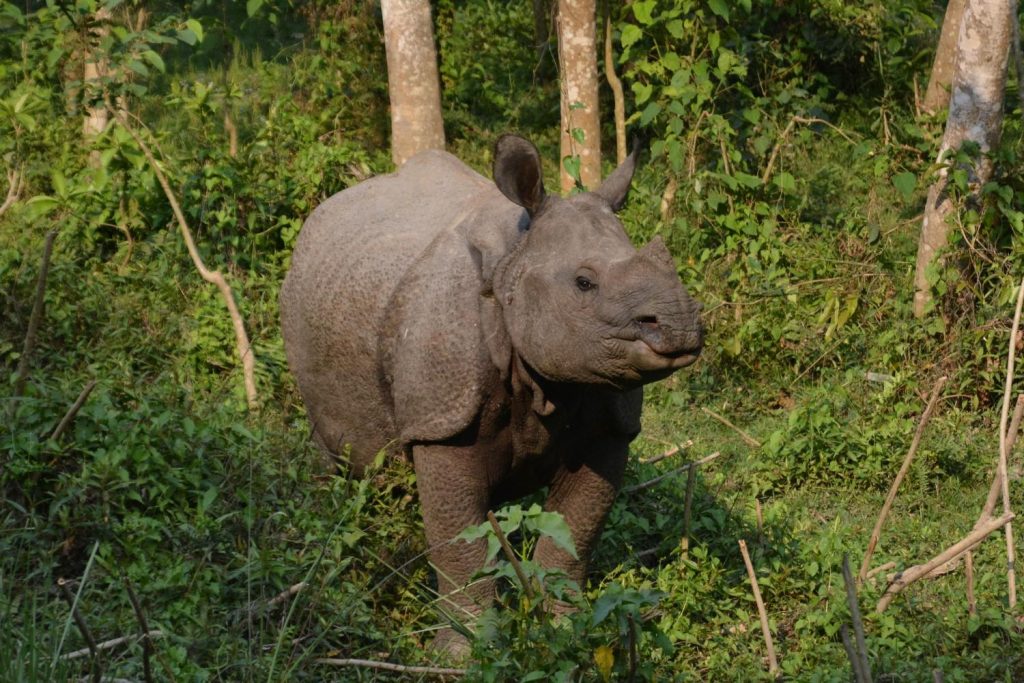
One-horned rhino
Once close to extinction, these animals have found sanctuary in Nepal thanks to the 1973 rehabilitation programme.
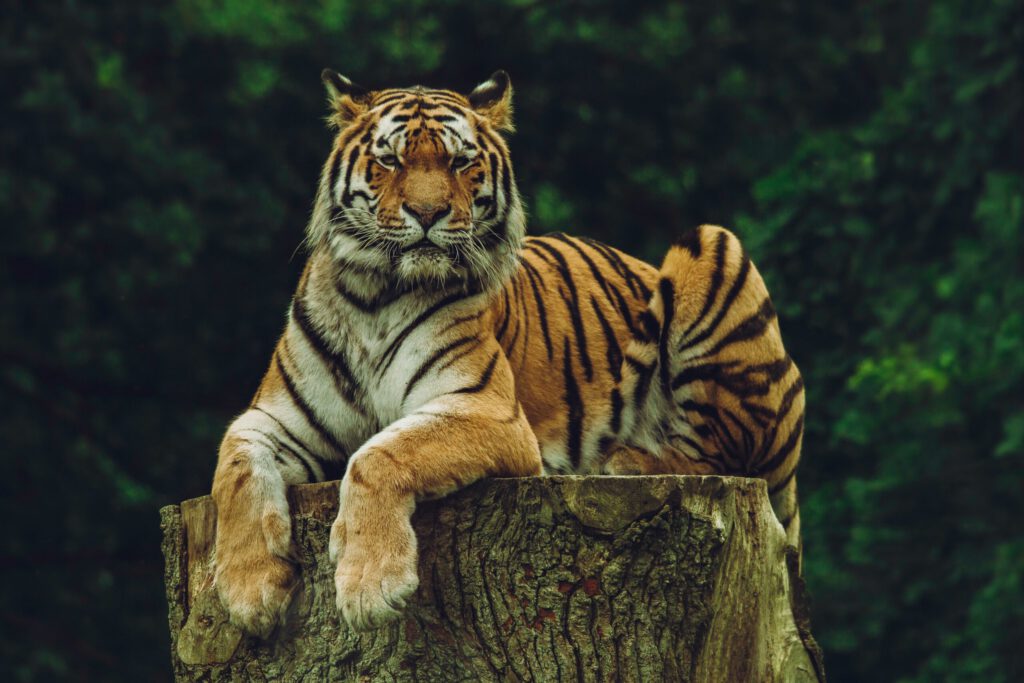
Nepal’s tiger population has almost doubled over the past decade, and there are around 250 roaming wild in the country’s lowlands.
Found in: Parsa National Park, Chitwan National Park, Banke National Park, Bardia National Park, and Suklaphanta National Park
Asian elephant
Seeing these giants close up is a dream for so many travellers, and it can come true in Nepal!
Found in: Koshi Tappu Wildlife Reserve, Chitwan National Park, Parsa National Park, Bardia National Park, and Suklaphanta National Park
ELEPHANT RIDING: You may be offered the chance to ride an elephant in Nepal. Many of the national parks still rely on the income from rides to support their conservation work. This is an uncomfortable truth, since there is certainly some cruelty involved in making these animals compliant. Our partners no longer offer elephant riding as part of their tours. We hope that this practice will end as public opinion changes and alternative funding is available for conservation.
Snow leopard
It is estimated that Nepal is home to around 10% of the world’s population of these elusive creatures, with some 350-500 living wild in the mountains.
Found in: well, they’re rarely found! They roam in the high mountains of the Himalayas, and whilst you’re incredibly unlikely to see one yourself, it’s comforting to know that they still have a home in Nepal.
Your best chance of spotting one is in the Mustang region
Crocodile
You can find both Gharial and Marsh Mugger crocodiles lurking in shallow waters and rivers across Nepal’s lowlands.
Found in: Various rivers, as well as Bardia National Park, Chitwan National Park, and the Shukla Panta Wildlife Reserve
Sloth bear
Once found widely across the Indian subcontinent, their numbers have been dwindling. They at least have a safe home in Nepal’s national parks.
Found in: Chitwan National Park
Himalayan Tahr
A large wild mountain goat native to the Himalayas. They’re incredibly comfortable in the most difficult terrain.
Found in: the high Himalayas
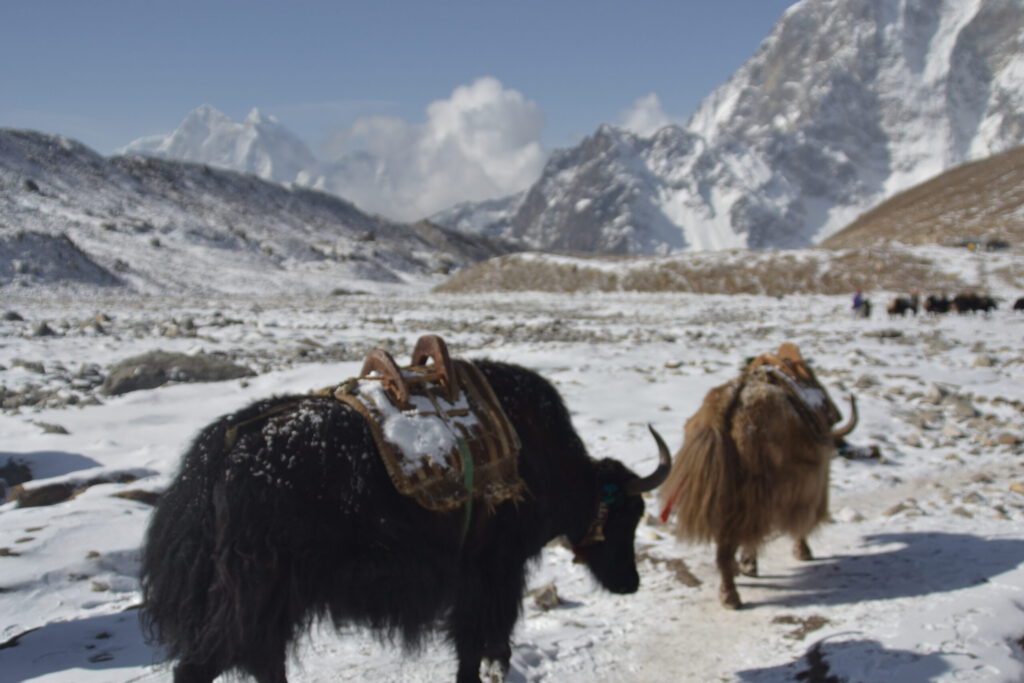
Yaks
They may seem like strange creatures to you, but these are very common in Nepal and have been kept by farmers for centuries.
Found in: highland areas across the country
Other creatures
Mammals
Other famous mammals found in Nepal include leopards, jackals, hyenas, civets, bats, and foxes, as well as various species of bear, deer, and antelope.
Reptiles
Famous species include monitor lizards, tortoises, pythons, and the King Cobra!
Amphibians
There are over 50 species in Nepal, with frogs, newts, salamanders, toads, and caecilians all numerous across the country.
Insects and Arachnids
The list is huge, but amongst the jungles, lowlands, and highlands of Nepal, you might encounter Black Widow Spiders and Asian Giant Hornets… don’t worry, they’re quite rare!
Responsible animal tourism
Don’t feed wild animals. Food handouts can change their behaviour and cause problems.
Avoid animal performances and sports like elephant polo. These practices invariably involve a lot of suffering for the animals and shouldn’t be supported.
Don’t buy any souvenirs made from Chiru (a Tibetan antelope) as these creatures are now endangered due to overhunting.
Elephant riding involves animal cruelty. Please think hard before you take part.