Staying connected is more and more important in the modern world, so here’s our guide to all things technology in Nepal.
How good is the internet in Nepal?
Whilst internet speed isn’t super-fast in Nepal, it is rapidly improving and available in much of the country – even in some places you wouldn’t expect!
You’ll find that most hotels and lodges offer WIFI, and this will also be available in many cafes and restaurants. The connection quality can vary, and of course, if you visit some less populated areas and rural communities, then using the internet may not be possible.
Like everything else, the internet can be affected by Nepal’s regular power outages.
Can I use 3G or 4G networks and make phone calls?
You can! The best way to stay connected is by using a local SIM card in an unlocked phone. SIM cards are available at Tribhuvan International Airport and in mobile shops across the country, with affordable data packages (for example, several GB of data typically cost only a few hundred Nepalese Rupees, depending on the provider and offer).
With a local SIM, you’ll have access to 4G networks in most urban areas and on many popular travel routes. Coverage has improved significantly, and you can often get a signal while trekking in regions like the Annapurna region or even on parts of the Everest Base Camp trail—though speeds and reliability can vary at higher altitudes.
The two main telecom providers are Ncelland Nepal Telecom, both offering good coverage depending on the area. You’ll need to show your passport (and sometimes visa details) when purchasing a SIM card.
Alternatively, you can use international roaming through your home provider, but this is usually much more expensive and often less reliable than using a local SIM.
Power Outages in Nepal
Nepal’s power supply has improved significantly in recent years, and widespread load shedding is no longer common, especially in cities like Kathmandu and Pokhara. However, occasional outages can still occur due to maintenance or local issues, particularly in more remote areas. While power is generally reliable, it’s still a good idea to carry a torch and a portable power bank for backup, especially if you’re travelling outside major cities.
Plug sockets in Nepal
You’ll find a mix of plug types in Nepal, mainly C, D, and M. The standard voltage is 230V, and the frequency is 50Hz.
A universal adaptor will usually work well with most sockets, and many hotels and newer buildings now support multiple plug types or USB charging ports. However, it’s still recommended to carry your own adaptor to ensure compatibility wherever you go.
Buying electronics in Nepal
It may be tempting to buy cheap, branded electronics such as headphones or accessories from local markets, but these are often counterfeit. The quality is usually much lower, and they may not last long.
Genuine products from major brands are available at authorised stores and shopping centres in cities like Kathmandu and Pokhara. However, prices are typically similar to or sometimes higher than what you pay in your home country due to import costs and taxes.
Keeping your devices safe
Nepal is generally a safe country with relatively low crime rates, but like any travel destination, it’s important to stay cautious with valuable items. While muggings are rare, opportunistic theft and pickpocketing can occur, especially in busy areas.
Most hotels and guesthouses offer safety boxes, often free of charge. If you’re not carrying your devices, it’s a good idea to store them securely.
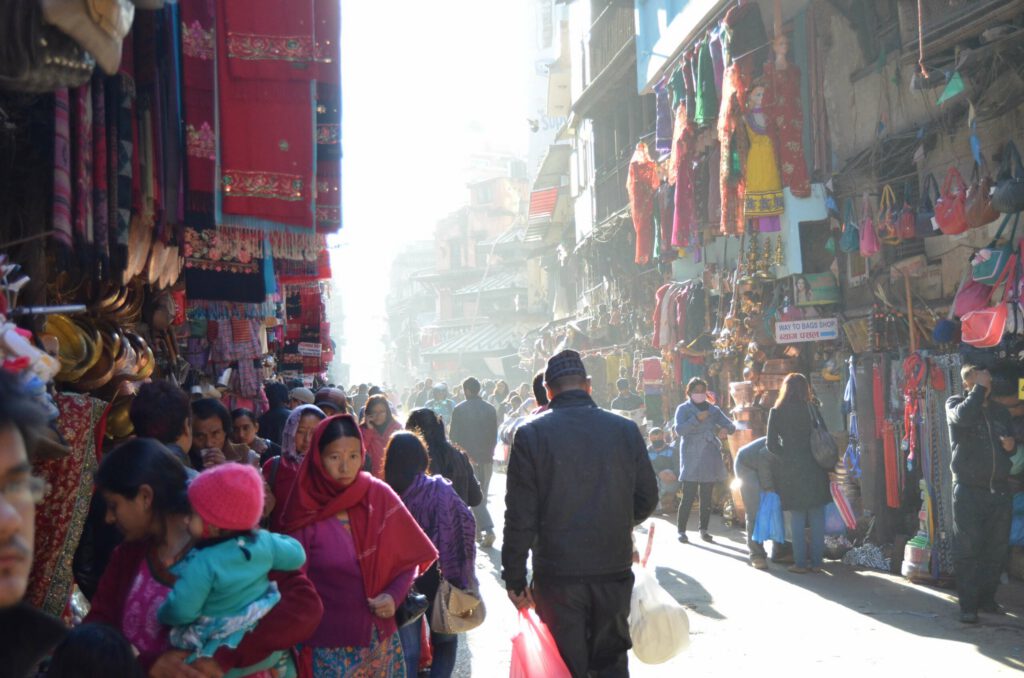
When you’re out, particularly in crowded places like markets or transport hubs, keep your phone and valuables in a secure place such as a front pocket or a money belt. Avoid displaying expensive devices unnecessarily to reduce the risk of unwanted attention.
Planning a trip to a new country can be confusing at first, so we’ve prepared a little introduction to some of Nepal’s main destinations.Figuring out exactly where to go in Nepal is the first step toward building an unforgettable itinerary through this diverse, welcoming country.
Thinking of doing some trekking? You can also check out our Trekking Regions guide.
Kathmandu
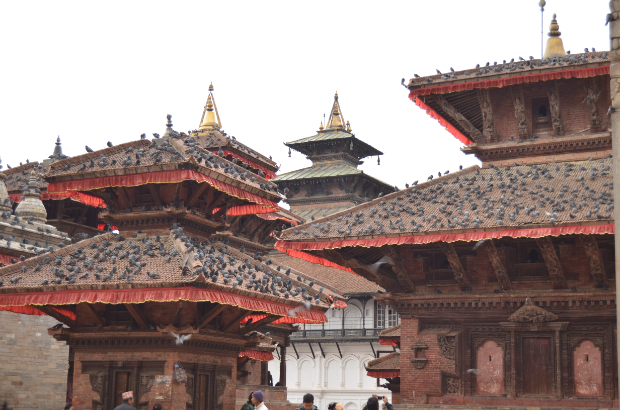
Nepal’s capital city is the beating heart of the nation and also the starting point for most travellers setting out to explore the country. It can feel like a chaotic introduction, where the fast-paced modern world bumps up against ancient traditions and architecture, but the city has a unique charm that makes it well worth exploring for a few days.
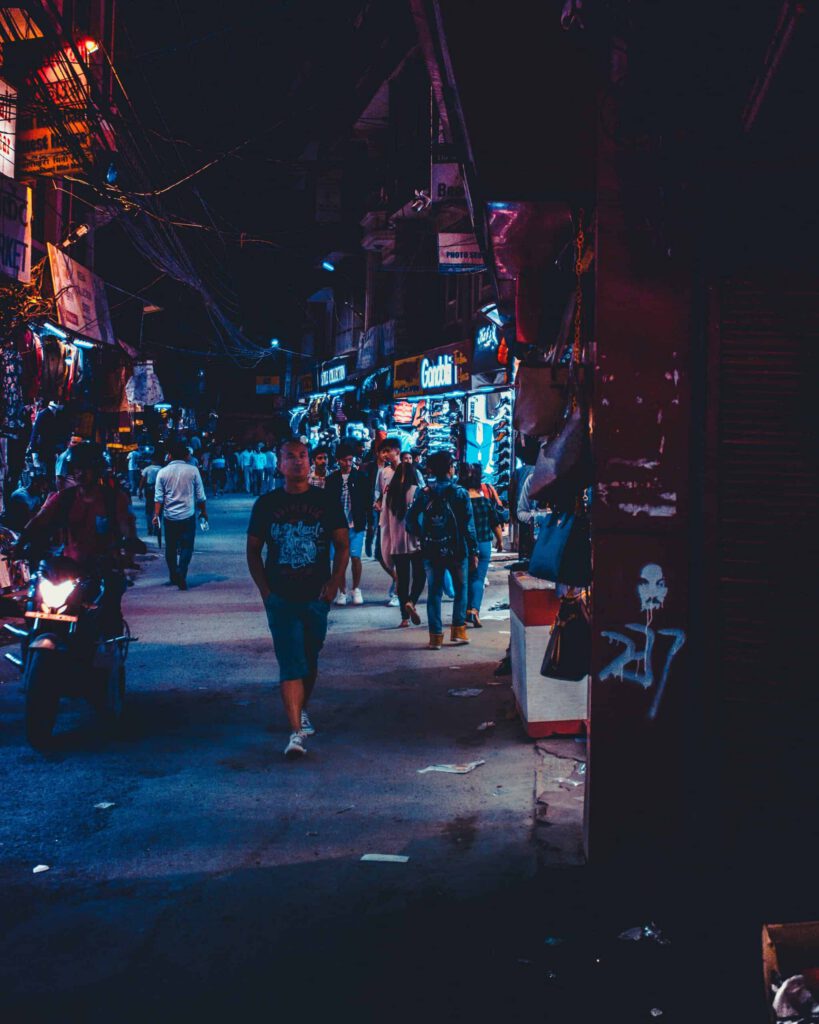
From the peaceful stupas and temples of UNESCO-listed Durbar Square to the hectic bars and bright lights of the Thamel district, Kathmandu is a city of contrasts. Soak up some of Nepal’s ancient culture, experience the buzz of modern Kathmandu, and try out some of Nepal’s best restaurants.
There are plenty of activities on offer in Kathmandu, and the city is a starting point for most tours and several great treks.
The valley, which is home to Nepal’s modern capital, has been central throughout the country’s history and is thought to have been home to some of the area’s earliest settlers. During the 12th-18th centuries, the cities of Patan, Bhaktapur, and Kathmandu were independent states ruled by Malla kings, each with a unique culture and history. The entire Kathmandu Valley was declared a UNESCO World Heritage Site in 1979.
Away from the historical cities, monuments, and temples, the valley is made up of lush green hills and rivers, which are perfect for hiking or touring by road. You can also visit some of the smaller settlements and ancient tribal communities of the valley to see a different side of this important and beautiful part of Nepal.
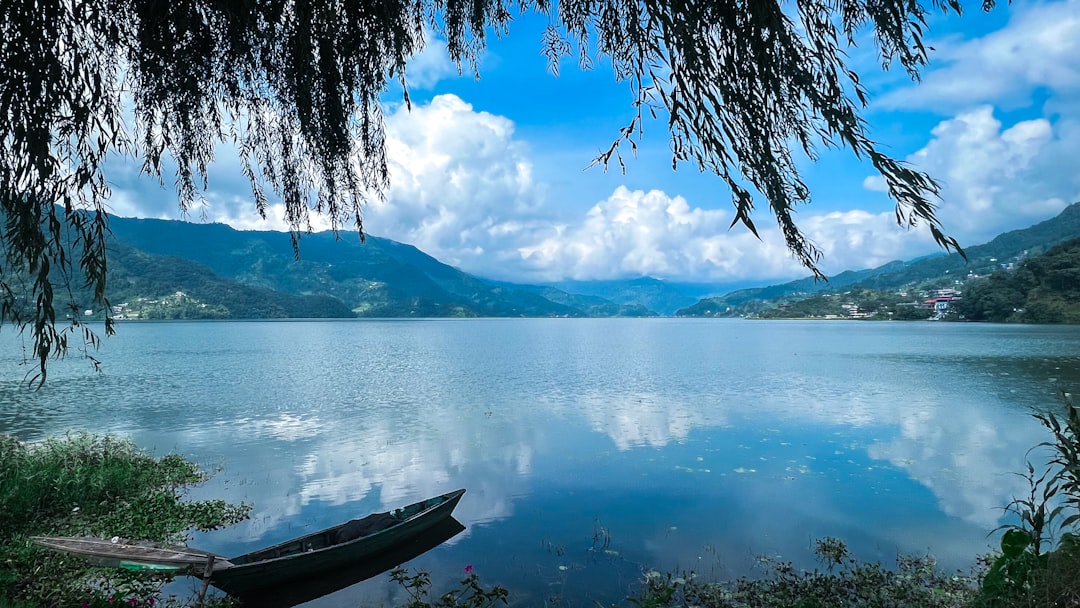
Nepal’s second city sits on the banks of the beautiful Phewa Lake, surrounded by lush green hills and with the snowy peaks of the Annapurna range as a not-so-distant backdrop. It’s no wonder that so many travellers choose to stop off here on their Nepal adventure.
The picturesque waterfront, which buzzes with local life, whilst the city provides a great selection of restaurants, bars, and accommodation to suit any budget. Perhaps the tourist shops and nightlife take a little away from Pokhara’s laid-back charm, but a slice of modern civilisation can be more than welcome after days spent trekking in the mountains. And anyway, that view…..
With its proximity to the Annapurna range, Pokhara is a perfect base for trekkers exploring this part of Nepal. It has also become Nepal’s adventure sports capital, with world-class opportunities for paragliding, rafting, and mountain biking nearby.
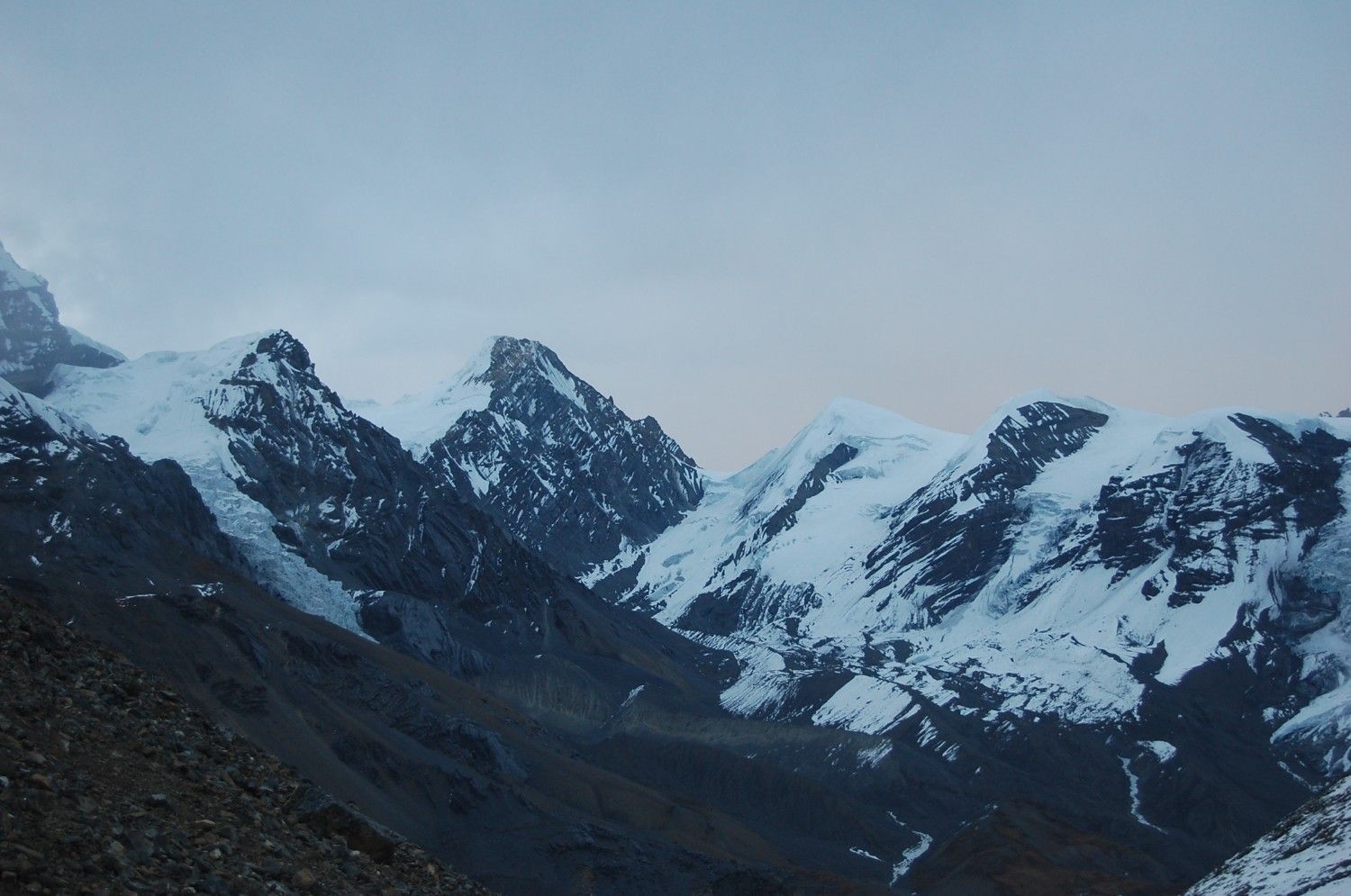
One of the world’s premier trekking destinations, this spectacular part of Nepal lies in the Central Himalayan region, not far from the lakeside city of Pokhara. You’ll find jaw-dropping mountain scenery at every turn, with some of the country’s highest and most famous peaks found here, including the imposing Annapurna Massif, which gives the region its name.
There is a wide range of adventures on offer, ranging from gentler 3-4 day treks through the foothills where you can stay with welcoming local communities, right through to hardcore mountaineering, extreme sports, and the iconic 230km Annapurna Circuit.
With most trailheads easily reached from Pokhara and an excellent trekking infrastructure in place, Annapurna is understandably popular with outdoor-lovers of all abilities.
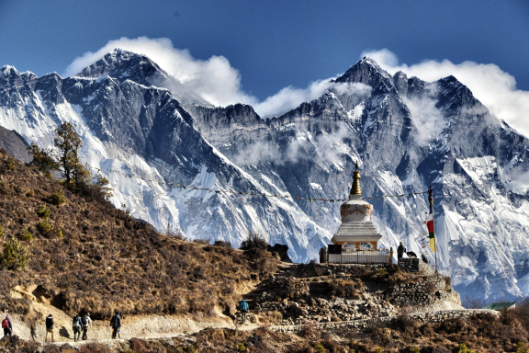
The world’s tallest and most famous mountain is a true icon of Nepal. For many travellers, it is simply a must-see, and the feeling of getting up close to this giant is impossible to match. There’s more to the region than just Everest, of course, with peaceful foothills and fascinating tribal communities spread across the landscape and into neighbouring Tibet, making any journey to Everest a real adventure.
There are many ways to see the mountain, whether you’re trekking to Everest Base Camp via the ancient Sherpa capital at Namche Bazaar, scaling the peak or taking the scenic flight to see Everest from the sky. Whichever you choose, the experience will stay with you for a lifetime.
Part of the Terai Lowlands in southern Nepal, Chitwan is regarded as one of the premier wildlife destinations in Asia.
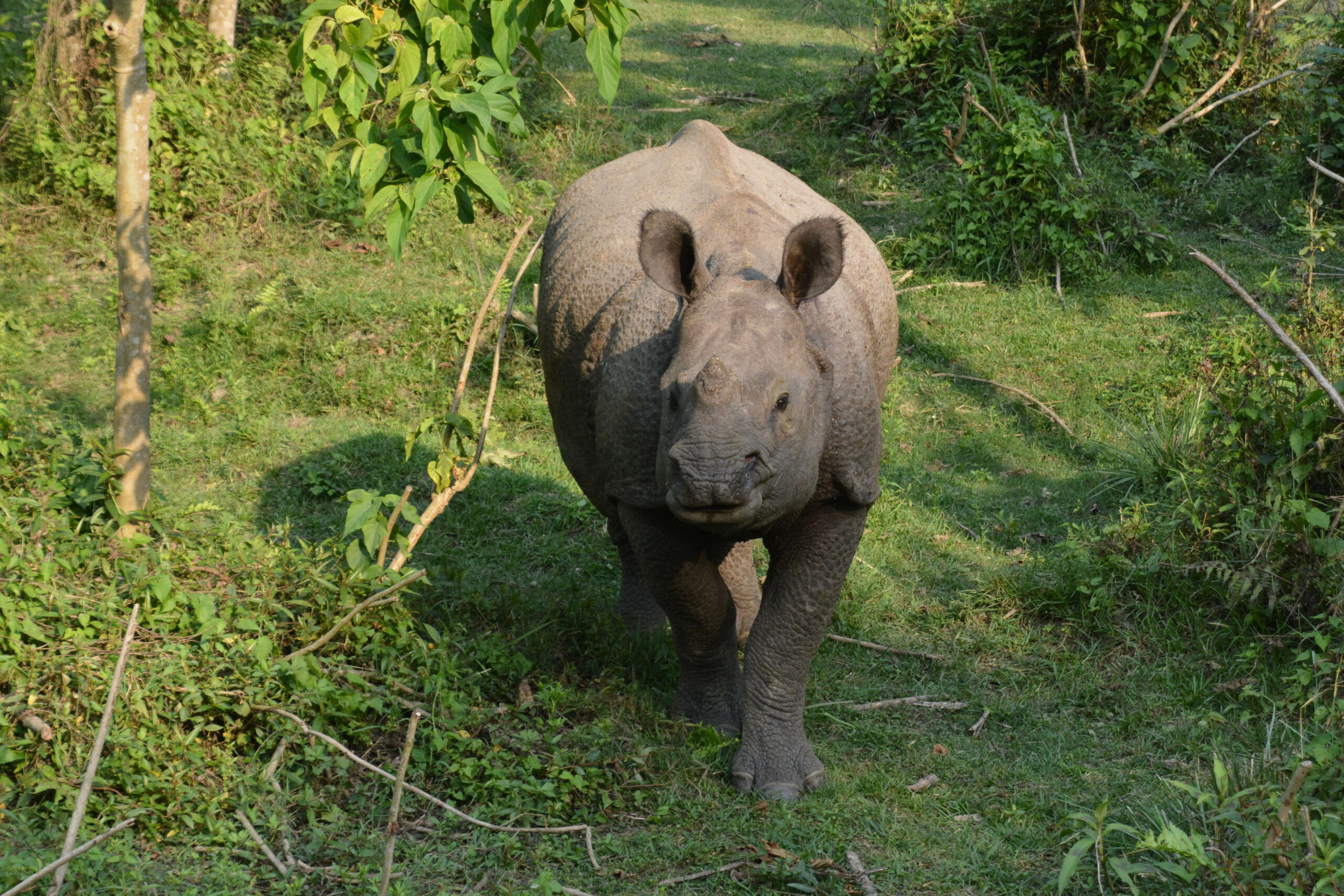
The national park is home to iconic species such as Bengal tigers, leopards, hyenas, sloth bears, elephants, crocodiles, and the famous one-horned rhinoceros, as well as countless varieties of birds, butterflies, and smaller mammals. Whilst you probably won’t see all of these in one visit, visitors are rarely left feeling disappointed by their Chitwan experience.
The park is made up of vast forests, marshes, and grassland, covering some 932 sq km, and is listed as a UNESCO World Heritage site due to its huge diversity and environmental importance.
The Maya Devi temple in Lumbini – named after Lord Buddha’s mother
Famous as the birthplace of Siddhartha Gautama, the Lord Buddha, Lumbini holds a huge significance for pilgrims and historians alike.
For centuries, the site was lost to history, but after the discovery of a pillar inscribed by the emperor Ashoka in 1896, Lumbini has been steadily restored to something like its former glory. Centred around the Maya Devi Temple, built on the exact spot of Buddha’s birth, the site is a complex of beautiful temples, monasteries, and stupas built by Buddhist nations from around the world.
Most visitors to Lumbini come as part of a pilgrimage, but tourists are also welcome to come and soak up the peaceful atmosphere and wonderful architecture of this famous site, whatever their beliefs.
The eastern Himalaya Region is often forgotten by adventurers heading to Everest and Annapurna, and it is this remoteness and feeling of peace that will give you a truly unforgettable experience. This part of Nepal is home to two of the world’s five highest mountains, Mt. Makalu (5th) and Mt. Kanchenjunga (3rd), as well as dense alpine forests and rolling foothills – it is untouched nature at its finest.
The people in eastern Nepal have a culture all of their own, formed by centuries of relative isolation. You can meet ancient Magar farming communities, see traditional art techniques, and experience wildly colourful cities like Janakpur. Eastern Nepal may not be the easiest option, but it is certainly one of the most rewarding parts of Nepal to explore.
Far Western Nepal
Remote and barely explored by tourists, the far western part of Nepal has always had its challenges in terms of development and accessibility. However, things are slowly starting to change, and through initiatives such as the Community Homestay Network, more and more intrepid tourists are beginning to explore this fascinating part of the country.
You’ll encounter unique tribes such as the colourful Rana Tharu, charming villages, and sweeping green landscapes with striking mountain backdrops. Far Western Nepal is also home to native jungles and numerous national parks, where some of Asia’s rarest and most iconic species can be found.
Tips on travelling responsibly and sustainably in Nepal
Learning how to be a responsible tourist is the best way to ensure your travels support local communities and protect the environment. We believe that most travellers are inherently good people who want to help and not harm the country they visit, so we want to make it easy for you to travel through Nepal whilst making a positive impact.
Here are some guidelines and things to watch out for on your travels;
Pollution and Waste
Try to avoid single-use plastics where possible. Say no to plastic straws, and choose to drink from a can rather than a plastic bottle.
Consider investing in a refillable bottle and water filter before you travel. Plastic water bottles are one of the biggest problems facing our environment.
If you can, take your litter back to Kathmandu. Litter is often buried or burnt in rural areas.
Eat like the locals! Fresh fruit and street snacks are widely available and usually plastic-free, and eating local ingredients is simply better for the planet.
Finish your food! Aside from potentially offending your Nepali hosts, not finishing your meal takes its toll on a world with limited resources. Don’t order more than you can eat.
Try to bring eco-friendly toiletries with you.
People
Respect the Nepali culture – some things are different from what you’re used to at home, and seemingly innocent actions can cause offence. Read our Language, Religion, and Culture page for more info.
If you’d like a picture, please ask first!
Kind-hearted tourists often give money or presents to beggars, and whilst it may bring a little short-term happiness, it fuels a culture of dependence and dishonesty. If you would like to help, please contribute to a specialist charity that can make sure your money reaches the people most in need.
Haggling is part of Nepali culture and can be good fun, but don’t keep driving the price down just for the sake of ‘winning’. The amount you’re haggling over may be small change to you, but it’s important income for the seller. Settle on an amount that seems fair to both parties.
Porters
Book with a reputable tour company who treat their porters with respect and offers them fair pay, decent equipment, and health benefits. The trekking industry has a long history of overworking and underpaying these people. Ask the company for their Porter Policy before you book.
If you feel like your porter is overloaded or has inadequate clothing and footwear, you should raise it with your tour leader or the company you’ve booked with and demand that action be taken.
Don’t ask your porter to carry extra things, even if you’re willing to pay them for it. The recommended maximum weight is 15kg per porter, which is already quite a lot, and heavier loads risk serious injury. An injured porter cannot work and probably won’t receive any sick pay to help them support their family.
Be generous with your tips for porters – they rely on (and deserve!) this extra income.
Animals
Don’t feed wild animals. Food handouts can change their behaviour and cause problems.
Avoid animal performances and sports like elephant polo. These practices invariably involve a lot of suffering for the animals and shouldn’t be supported.
Don’t buy any souvenirs made from Chiru (a Tibetan antelope) as these creatures are now endangered due to overhunting.
You’re likely to see elephant riding offered in Chitwan National Park. It is an uncomfortable problem, as the income it generates is crucial to protecting vulnerable species like the one-horned rhino and the Bengal tiger, but the practice almost certainly involves suffering for the elephants. Our partners don’t offer elephant riding anymore, but it can be arranged locally. The more people choose not to take part, the more urgency there will be for change.
Accommodation
Try to book Nepali-owned accommodation where possible, so that your money stays in Nepal and supports local people. International chain hotels can be very appealing and also provide employment, but much of your payment will flow out of Nepal.
Look out for hotels with a sustainability accreditation, or at least hotels that seem to be making some effort to reduce their waste. Wherever you book your hotels nowadays, information should be available on the hotel’s environmental policy. This is especially true for any larger hotels in popular areas.
Don’t be afraid to give feedback if your hotel is operating irresponsibly and making little effort to be sustainable. The more owners see that their customers care, the more hotels will be motivated to change their practices
Think about spending a few nights of your holiday going super-local, and experiencing real Nepali life in a Community Homestay. As well as adding a truly unique element to your trip, it’s the best way to directly support local people and communities in Nepal.
Want to see this from a local perspective? Have a look at this article from Inside Himalayas.
Got a question about traveling to Nepal? You’ll probably find the answer somewhere in these pages, along with answers to all sorts of questions you hadn’t even thought of!
If there’s something you SIMPLY MUST KNOW and we haven’t covered it, you can comment on the articles or get in touch with the Travel Nepal team for some extra help.
We’ve tried to cover everything with our travel advice pages, but that’s impossible, of course!
If there’s something specific you need to know, or if you just want a little local help with planning your Nepal adventure, then our team is just a contact form away….
You should always check official advice for your nationality, but the majority of travellers will need a visa for Nepal. Navigating Nepal visas and arrival procedures smoothly is the easiest way to kickstart your Himalayan adventure without any unnecessary border delays.
Fortunately, the process is quite simple, and a Visa on Arrival can be issued at the airport and some land borders. You’ll need a passport valid for at least 6 months, two passport photos, the address of your hotel, and cash to pay the visa fee.
If you want to complete the application in advance or need a special visa (e.g., study visa, business visa), then you should do so through the official Department of Immigration website.
https://nepaliport.immigration.gov.np
Fees should be paid in cash on arrival – USD is preferable, but other major currencies will be accepted. Fees are subject to change, but as of 2026, the standard Tourist Visa costs are as follows;
15 days – US$30
30 days – US$50
90 days – US$125
If you significantly overstay or tamper with your visa, then you can be fined or even jailed in extreme cases, so please respect the visa!
Visa extensions can be granted in the Kathmandu and Pokhara Immigration Offices, up to a maximum of 150 days per calendar year, and subject to a minimum fee of US$45.
NOTE: Citizens of the following countries are not currently eligible for an On Arrival Visa and will need to contact their nearest Nepal Embassy before travel.
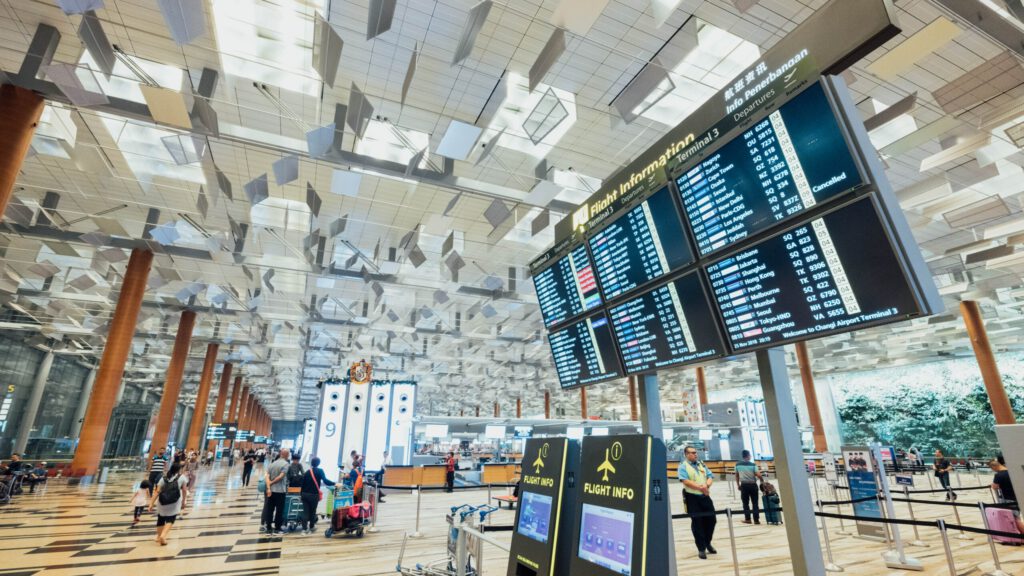
As a landlocked country, Nepal receives most international visitors by air, primarily through Tribhuvan International Airport, which remains the busiest international gateway. Located in the capital, Kathmandu, it serves as the main entry point for travellers, many of whom spend a few days here to acclimatise and explore before heading to other destinations. From Kathmandu, a wide network of domestic flights connects regions like Pokhara, Lukla, and Bharatpur.
In recent years, Nepal has expanded its international air connectivity with the addition of Gautam Buddha International Airport and Pokhara International Airport. Gautam Buddha International Airport, located near Lumbini—the birthplace of Lord Buddha—now handles regular international flights, especially from regional hubs. Similarly, Pokhara International Airport, opened in 2023, has begun welcoming international charters and is expected to expand scheduled international services gradually.
Several international airlines operate flights into Nepal, typically via transit hubs in the Middle East, India, or Southeast Asia. Carriers such as Qatar Airways, Flydubai, Air India, and Thai Airways offer regular connections, making Nepal increasingly accessible from around the world.
IMPORTANT:
If your flight transits through India, only Air India typically offers through-checked baggage to Kathmandu on a single ticket. When flying with most other Indian carriers, you may need to clear immigration (which requires a valid Indian visa), collect your luggage, and re-check it for your onward flight to Nepal. To avoid this inconvenience, it’s generally best to choose airlines that handle baggage through to your final destination.
Tribhuvan International Airport operates with a single runway, handling both domestic and international flights. While improvements have been made, delays during peak travel seasons and queues at immigration can still occur, so it’s wise to allow extra time in your travel plans.
After completing immigration formalities and collecting your baggage, you’ll exit through the arrivals area. The environment can feel busy and a bit overwhelming, with many drivers holding placards or offering taxi services.
If you withdraw local currency at the airport, you can arrange a taxi on arrival (typically around NPR 800–1200, depending on your destination). However, for a smoother experience, pre-booking an airport transfer is recommended. This ensures a hassle-free pickup—your driver will be waiting with your name on a placard and will track your flight in case of delays.
Arriving in Nepal by land
You can travel to Nepal by land from neighbouring India through major transit points such as Bhairahawa (Sunauli), Raxaul (Birgunj), Nepalgunj, Biratnagar, Kakarvitta, and Mahendranagar, along with several other official border crossings.
From the north, entry is possible from China (Tibet) via the Kerung (Rasuwagadhi) border, or via Hilsa as part of an organised trekking or tour group, as independent travel in this region is restricted and requires special permits.
These border crossings can be slow and chaotic at times, particularly at busy points. Most foreign nationals can obtain a visa on arrival at major land borders, although completing the online visa application in advance is recommended to speed up the process. Indian citizens, however, do not require a visa to enter Nepal.
Need a little help?
Our team is on hand to make your Nepal plans a reality Get in touch!
Safety, common scams, and advice for female and LGBTQ travellers
Is Nepal generally safe to travel to?
The vast majority of travellers visit Nepal without any problems at all. Crime rates in the country are relatively low, and serious crimes involving tourists are rare. However, you should stay aware and minimise your risks by sticking to safer areas – ask for some local advice at your hotel or from your guide if you’re ever unsure of where to go. Knowing the best practices for staying safe in Nepal ensures that your mountain expeditions and city tours remain completely worry-free.
When trekking, weather conditions can change quickly, and tourists do sometimes run into problems, especially in the mountains, where altitude sickness can be a factor. You should consider booking in advance and enlisting a professional guide.
The roads in Nepal are not as safe as those in many wealthier countries, and accidents do happen. If you book with a trustworthy transport provider, then you can minimise your risk.
Common tourist scams
Nepal is not a wealthy country, and many Nepalis exist on very low incomes by Western standards. Whilst most Nepalis are honest and law-abiding, the temptation to make a quick buck from ‘rich’ tourists is perhaps understandable, and there are some pretty underhanded scams to watch out for.
Credit card scams. Sadly, this is now common all over the world. Don’t let your card out of your sight when making purchases, and be wary of ATMs that look like they may have been tampered with. Criminals can clone your card and make expensive purchases or cash withdrawals, so call your bank if you notice anything unusual.
Taxi scams. Either agree on a fee up front or insist on having the meter turned on to avoid being overcharged. If there’s no meter, then it may not be an official taxi. Taxi drivers may also pretend not to know where your hotel is so that they can take you to a different hotel and earn a commission – keep the hotel number handy and ask the driver to call them if unsure. If anyone else tries to jump into the taxi with you, it is usually to try to sell you something, and you should insist that they leave.
‘Free’ service scams. You’ll often be approached by seemingly kind people offering to give you a free tour or help you with your bags at the airport. Be aware that a tip is expected, and things can get heated if you refuse. It’s best to say ‘no’ before any service has been provided.
Begging scams. Many people in Nepal are in genuine need, but others treat begging as a business to exploit kind-hearted tourists. Look out for mothers asking you to buy baby formula from a nearby shop, as you’ll likely be grossly overcharged, and don’t accept invitations to visit someone’s home if you don’t know them. It could just be a way of pressuring you into giving money.
If you want to help, it is best to give to a recognised charity that will make sure your money goes to those who really need it.
Massage scams. A post-trek massage can be a real treat for aching muscles, but do your research beforehand and avoid massage ‘touts’. There are several unofficial massage parlours that will overcharge for a very amateur massage.
Thamel scams. Kathmandu’s tourist zone has a history of scams, and you should be very careful, especially at night. Stick with your group, never leave your drink unattended, and don’t sign up for any tours or activities with people who approach you in the street.
Drugs in Nepal
You may be offered drugs in Nepal, particularly in the Thamel neighbourhood of Kathmandu.
At the risk of sounding like an 80’s school video, JUST SAY NO!
Punishments for drug possession are very harsh in Nepal, even for softer drugs like hashish, so you’ll be taking a big risk even by getting into a conversation with a drug dealer. Following a dealer to a quiet place for any exchange will also make you vulnerable to other scams or robbery, so it’s best just to steer clear altogether.
Is Nepal safe for female travellers?
In general, Nepal is a safe place for women to travel. Even solo female travellers are unlikely to encounter many issues and are likely to find most Nepalese people to be respectful, friendly, and helpful.
However, as in every country, there are bad people around, and you should be aware of cultural differences. The portrayal of Western women in movies can create misconceptions, and unwanted advances do take place, most commonly at night and in bars. Fortunately, these instances are rare, but you should maintain your guard and stay in a group if possible.
It is a sad fact of life, but dressing more modestly will improve your chances of avoiding bother. Exposed shoulders and thighs can attract the wrong kind of attention, especially as this isn’t common in Nepalese culture.
If you need any further advice or would like to discuss arranging a female trekking guide for your trip, then feel free to get in touch with the Travel Nepal team.
Is Nepal safe for LGBTQ travellers?
Generally speaking, LGBTQ travellers are unlikely to encounter many problems in Nepal.
In fact, Nepal is the only country in the region that doesn’t criminalise same-sex relations and facilitates a ‘third gender’ in all official documents. This is a sign of an increasingly liberal attitude from the Nepalese government in recent years.
Things aren’t perfect, of course, and traditional attitudes are still held by many, especially in more rural areas. Whilst some Nepalis may disapprove of same-sex relationships, couples will rarely be harassed because of them. You’ll find most Nepalis to be open and accepting.
You can feel free to be somewhat affectionate and hold hands in public (this is common in Nepal, even between heterosexual men), but passionate kissing and touching are best saved for your hotel room. Nepal remains a relatively conservative country, and this advice applies to couples of any gender and sexuality.
(You can read our guide on Nepal LGBT travel here)
How to contact the Emergency Services in Nepal
If you book with a reputable company, you’ll usually be given an emergency contact number. However, if you find yourself in a position where you need to contact the Emergency Services directly, the relevant numbers are below.
Police: Dial 100
Fire: Dial 101
Ambulance: Dial 102
We recommend saving these numbers on your phone before travelling to Nepal.
Need a little help?
Get in touch with the TravelNepal team for planning and travel advice. Contact us!